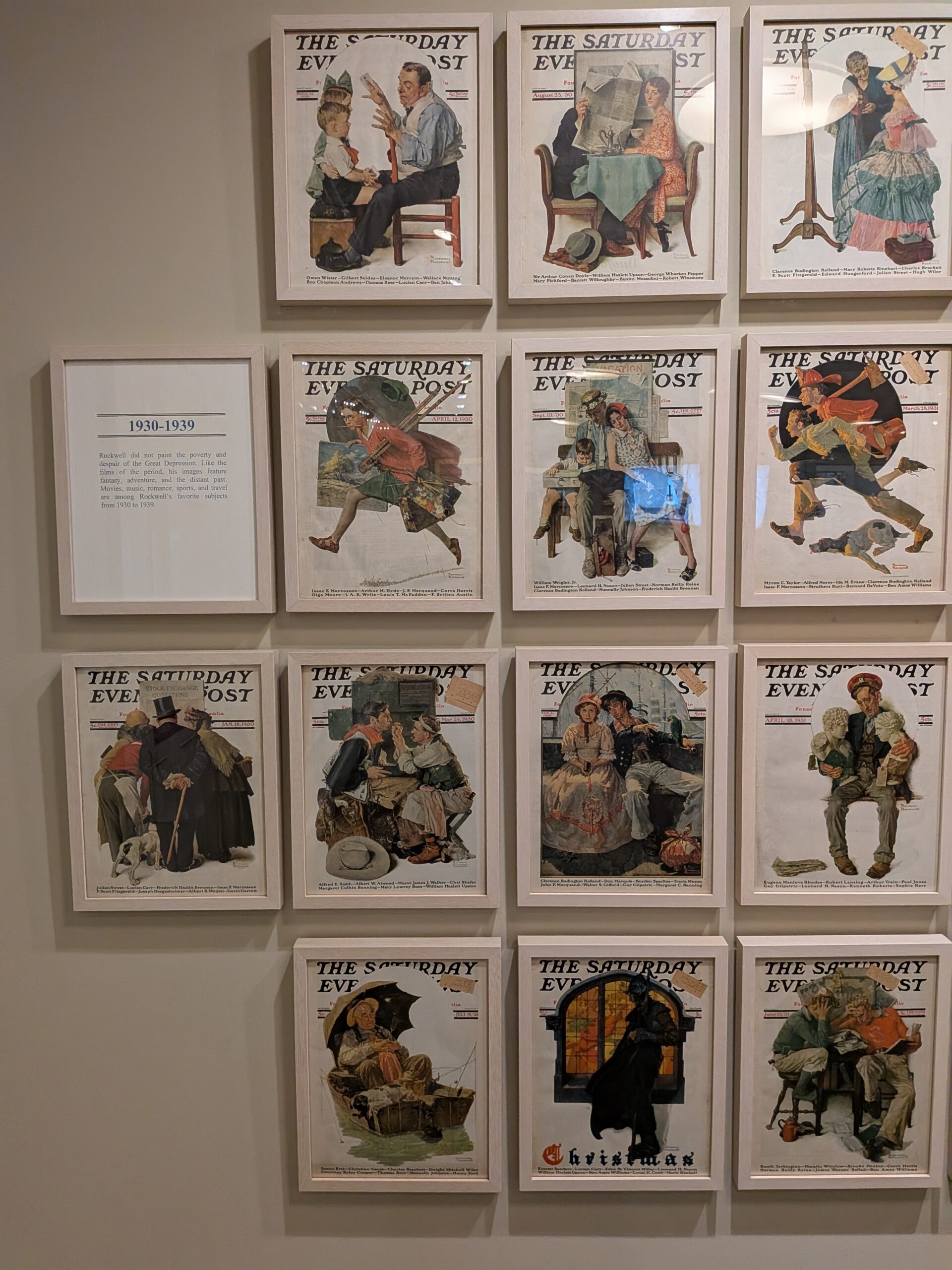
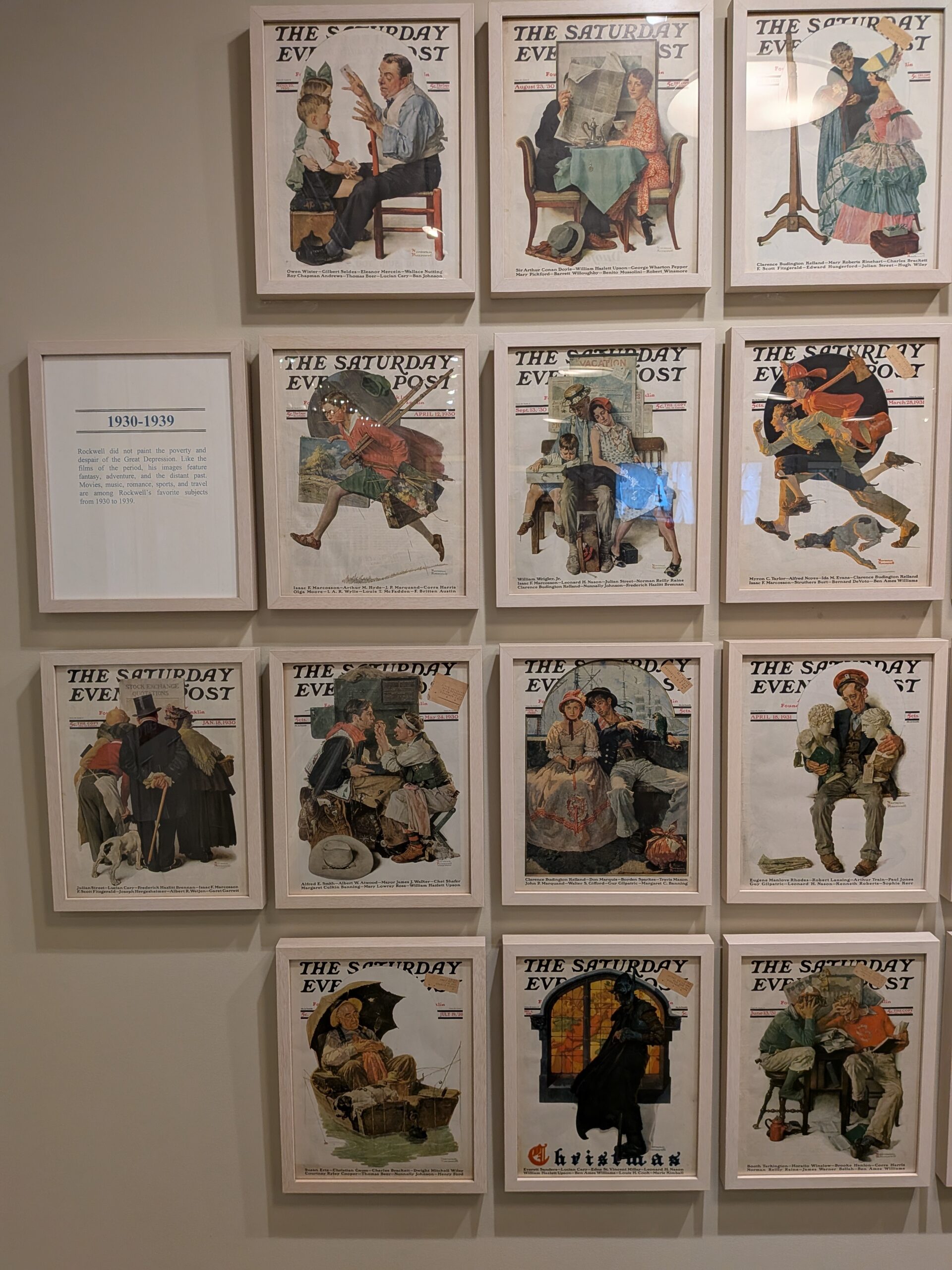
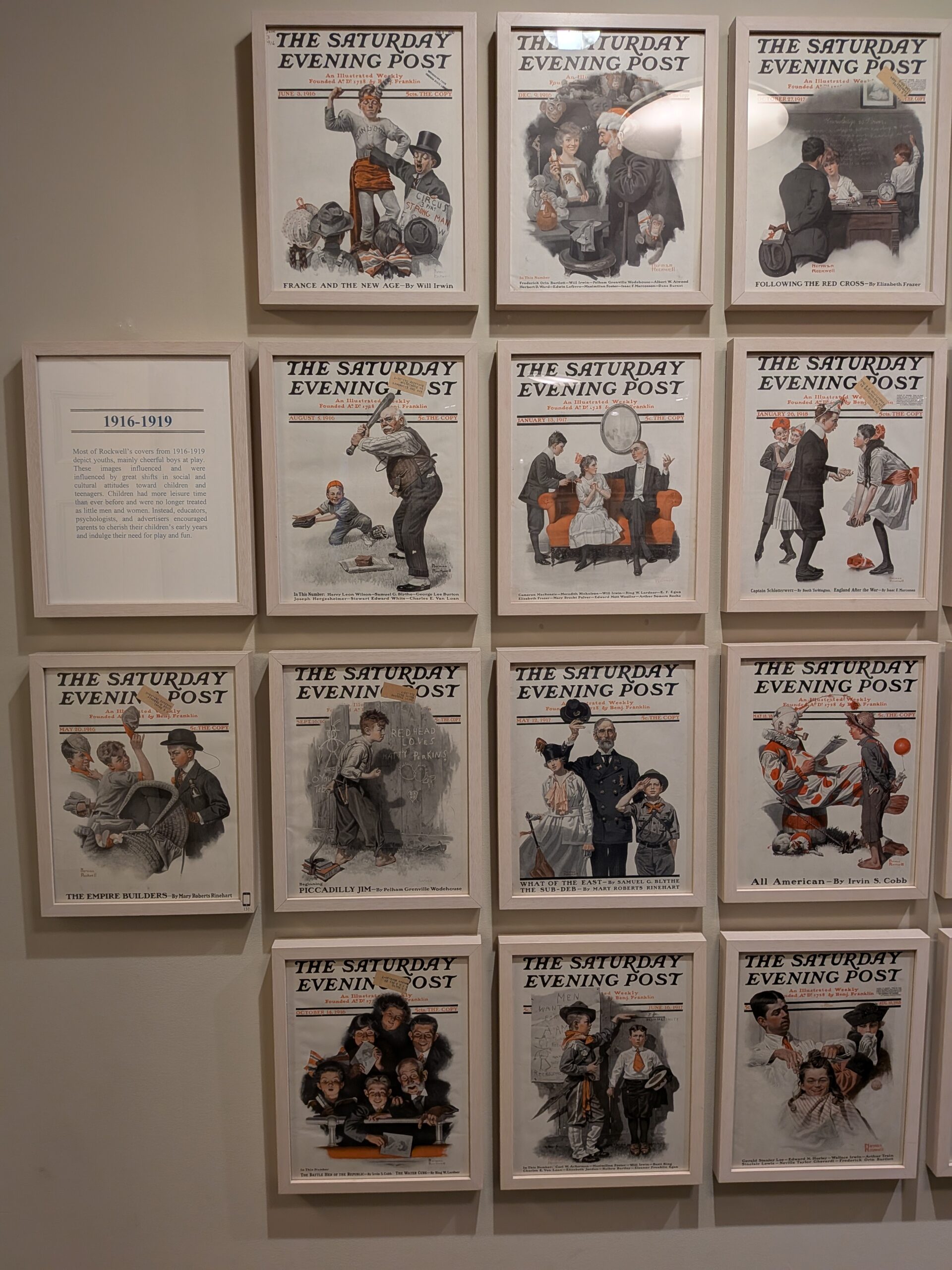
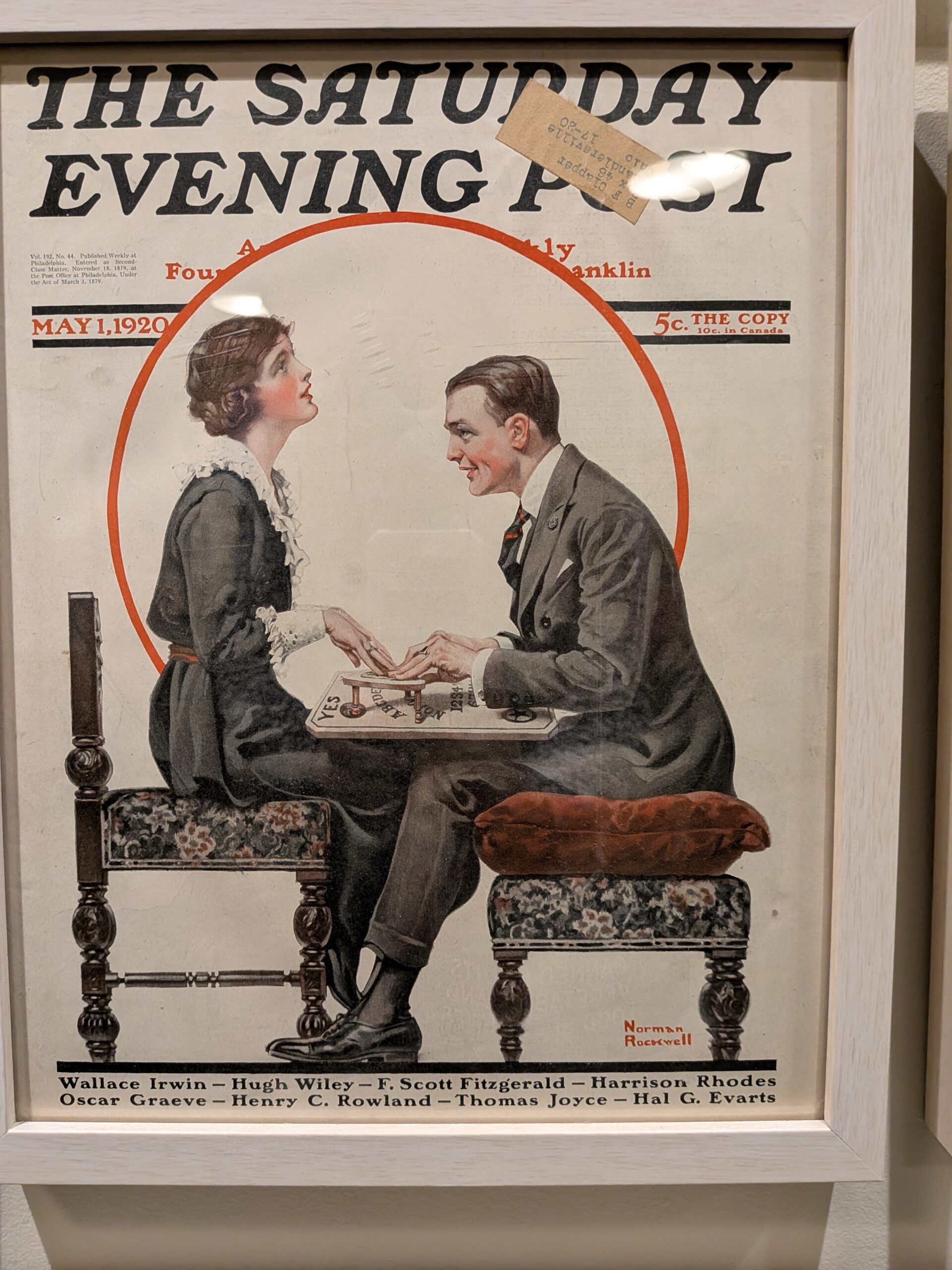
We set out for a day that blended art with history, beginning at the Norman Rockwell Museum in Stockbridge, Massachusetts. The museum is home to an extensive collection of Rockwell’s work, and while his style is undeniably iconic, we both felt it was a little one-note—charming in its nostalgic depictions of American life, but also repetitive after a while. Still, it was worthwhile to see the originals up close, especially given how much of Rockwell’s art has been reproduced over the decades.

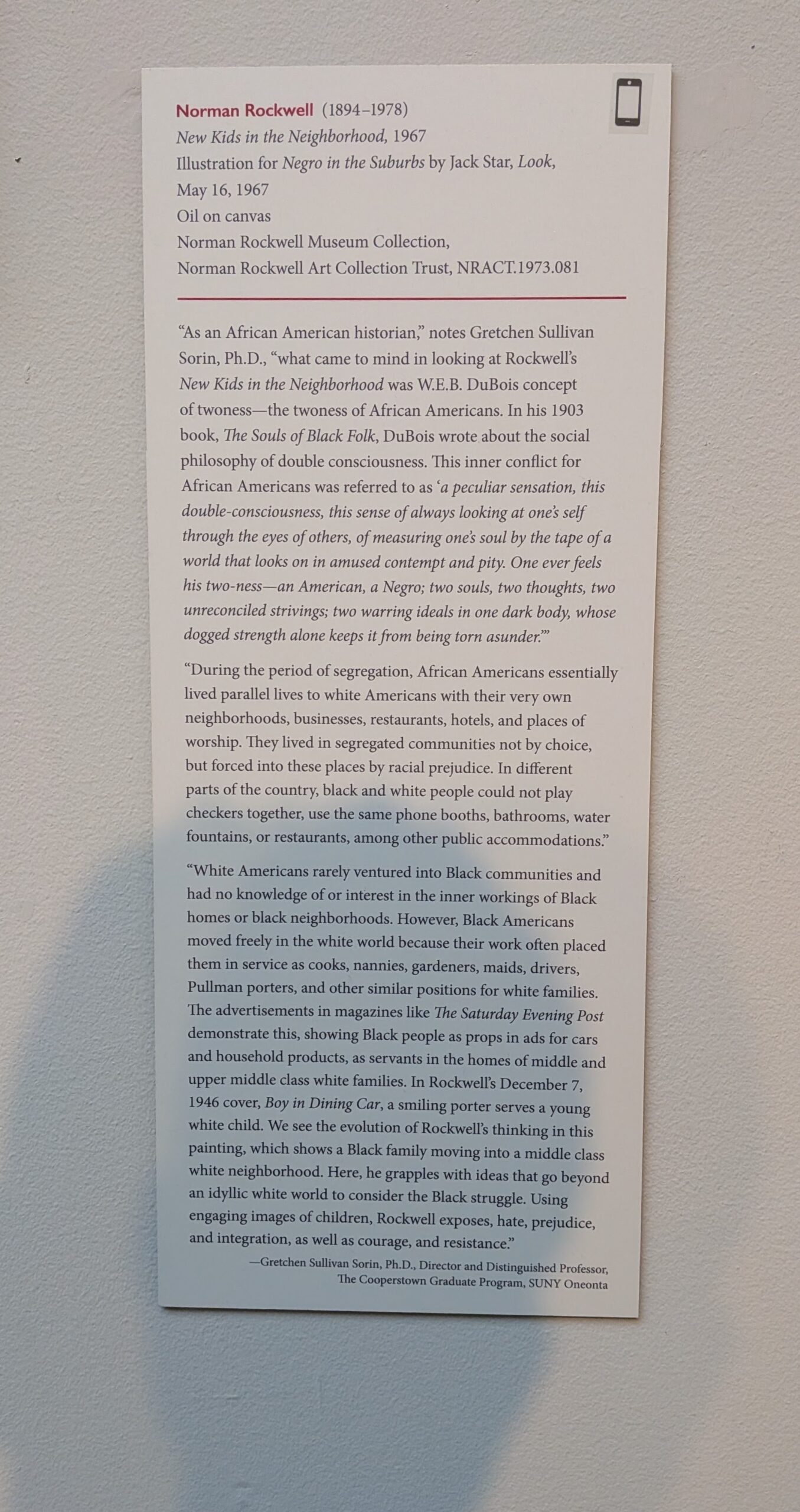
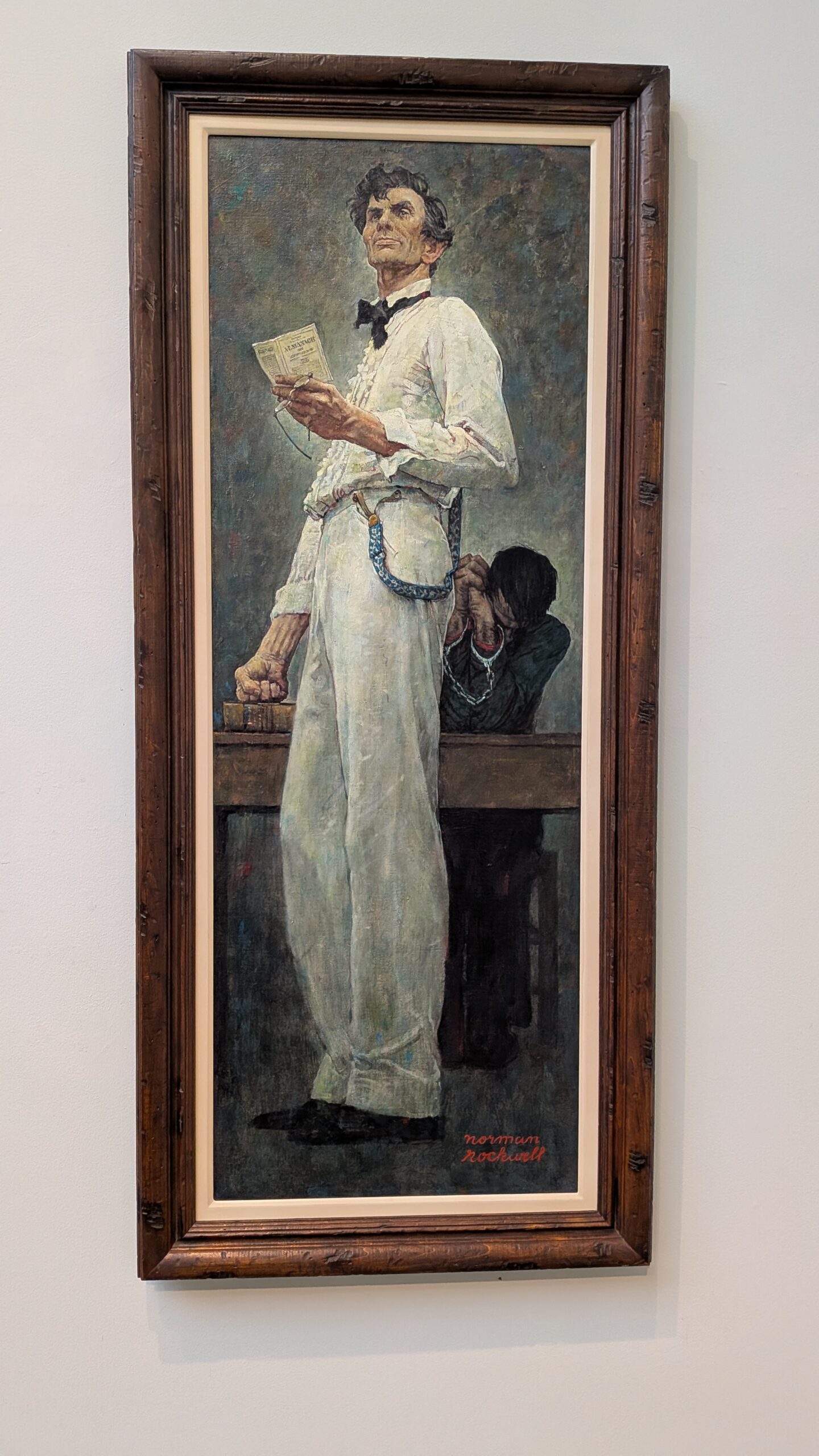
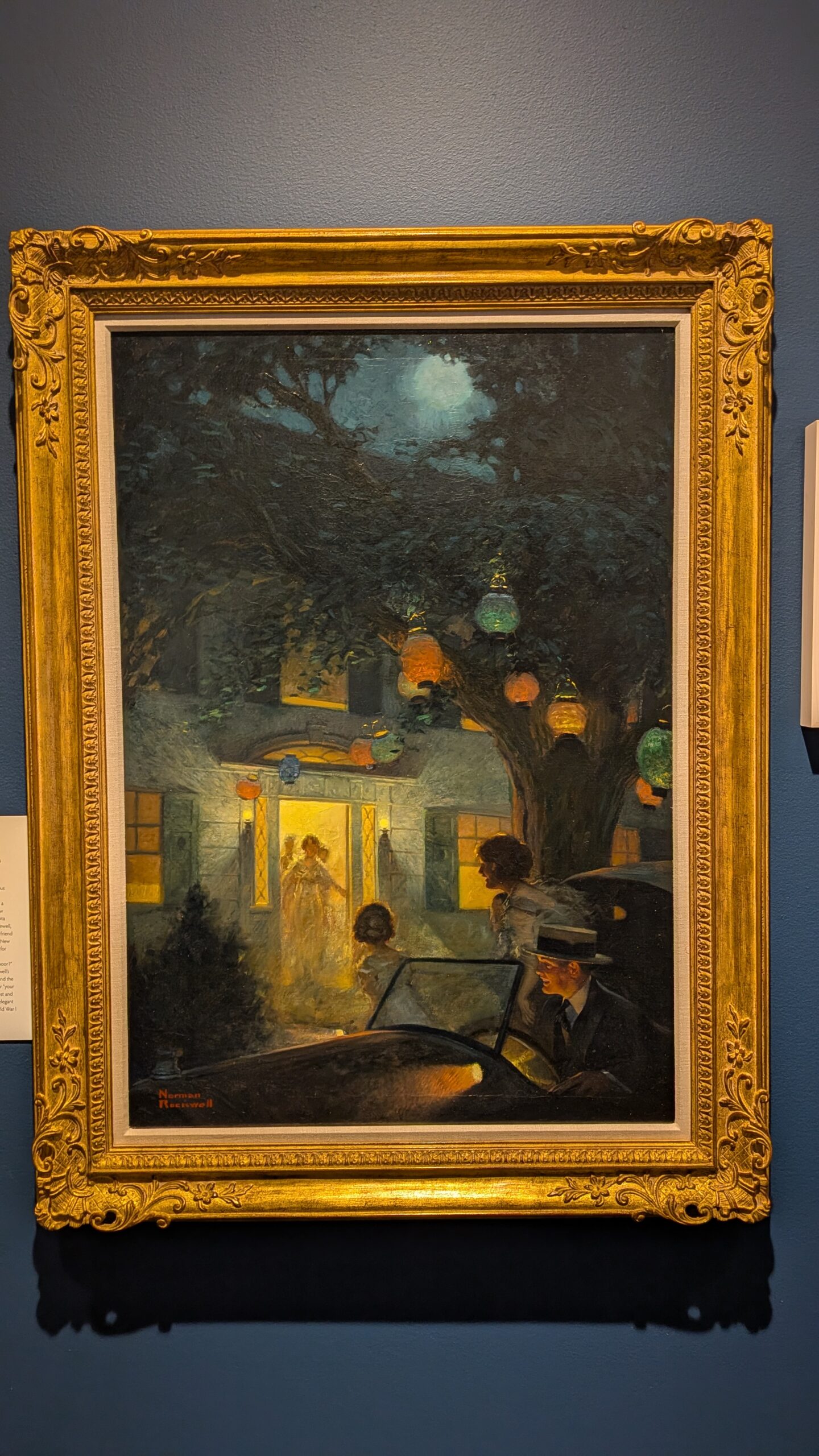
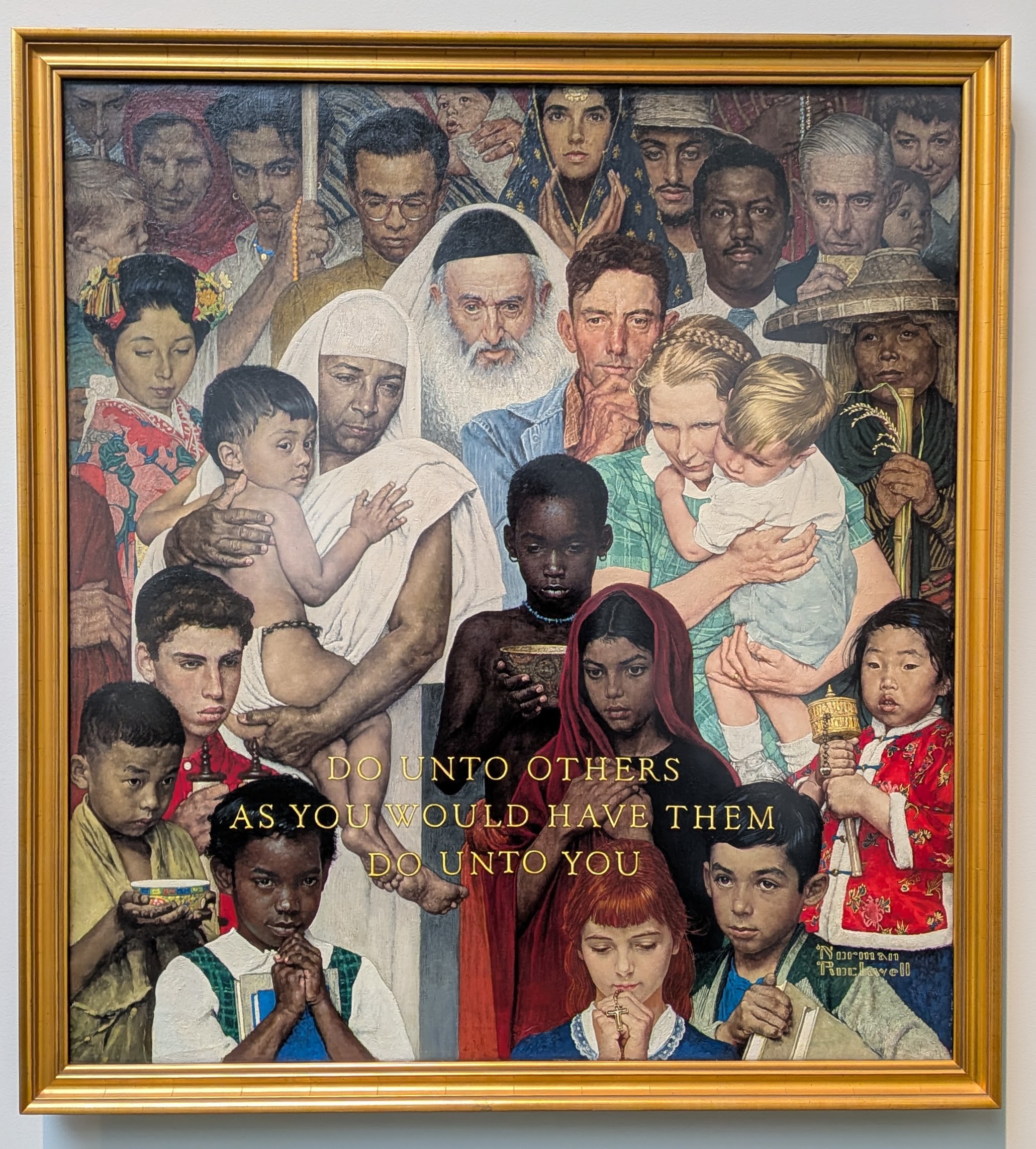
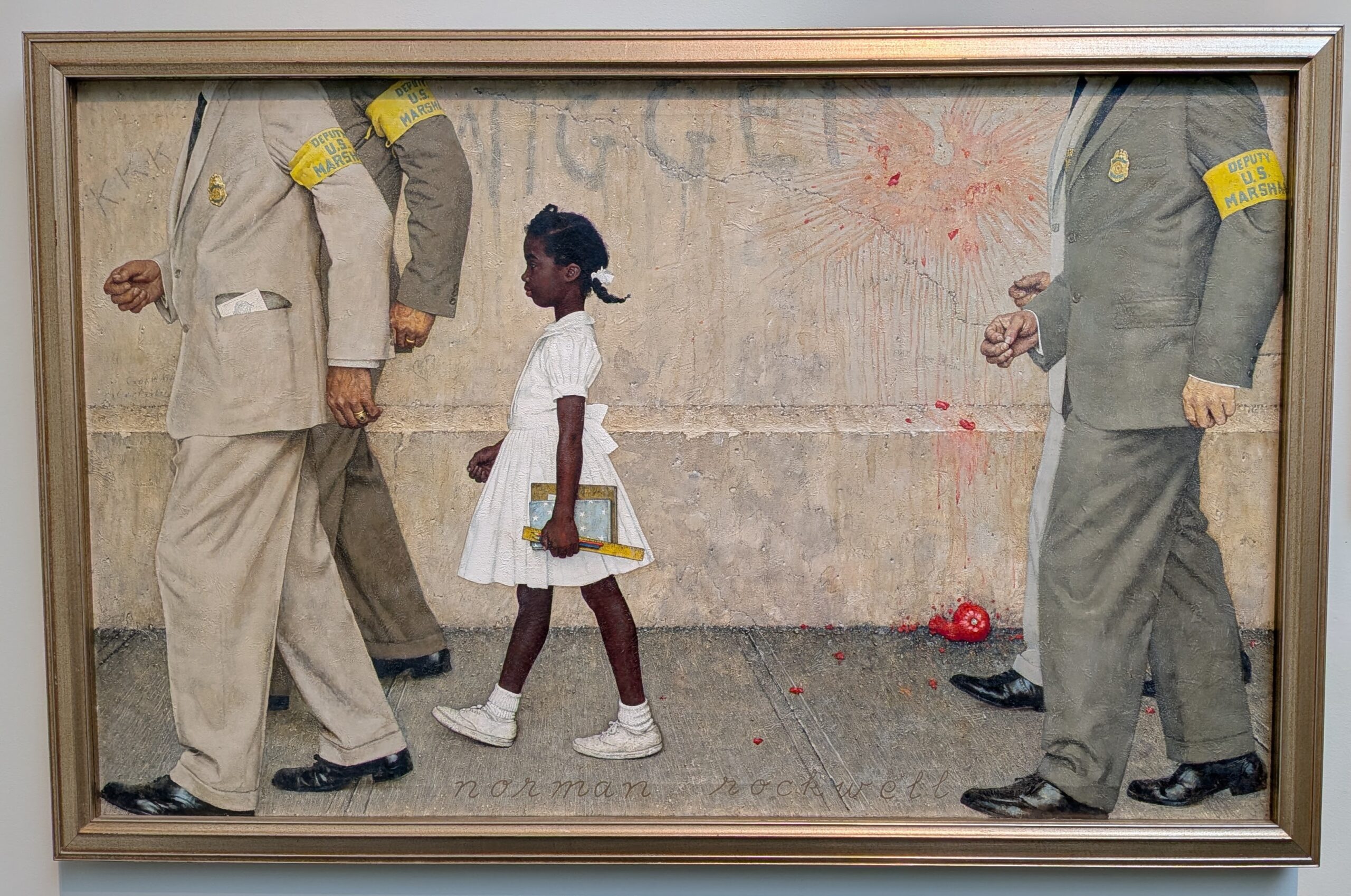
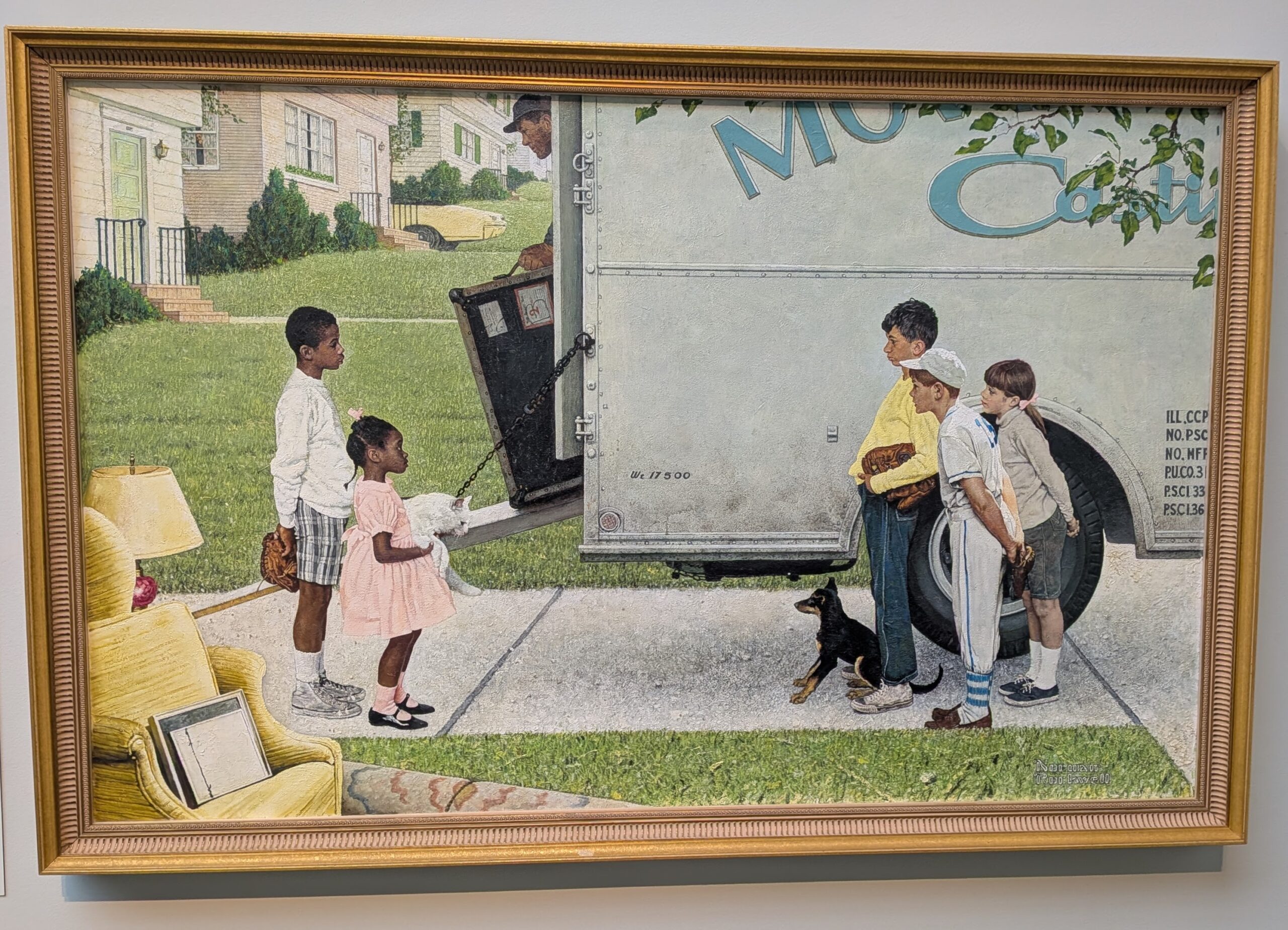
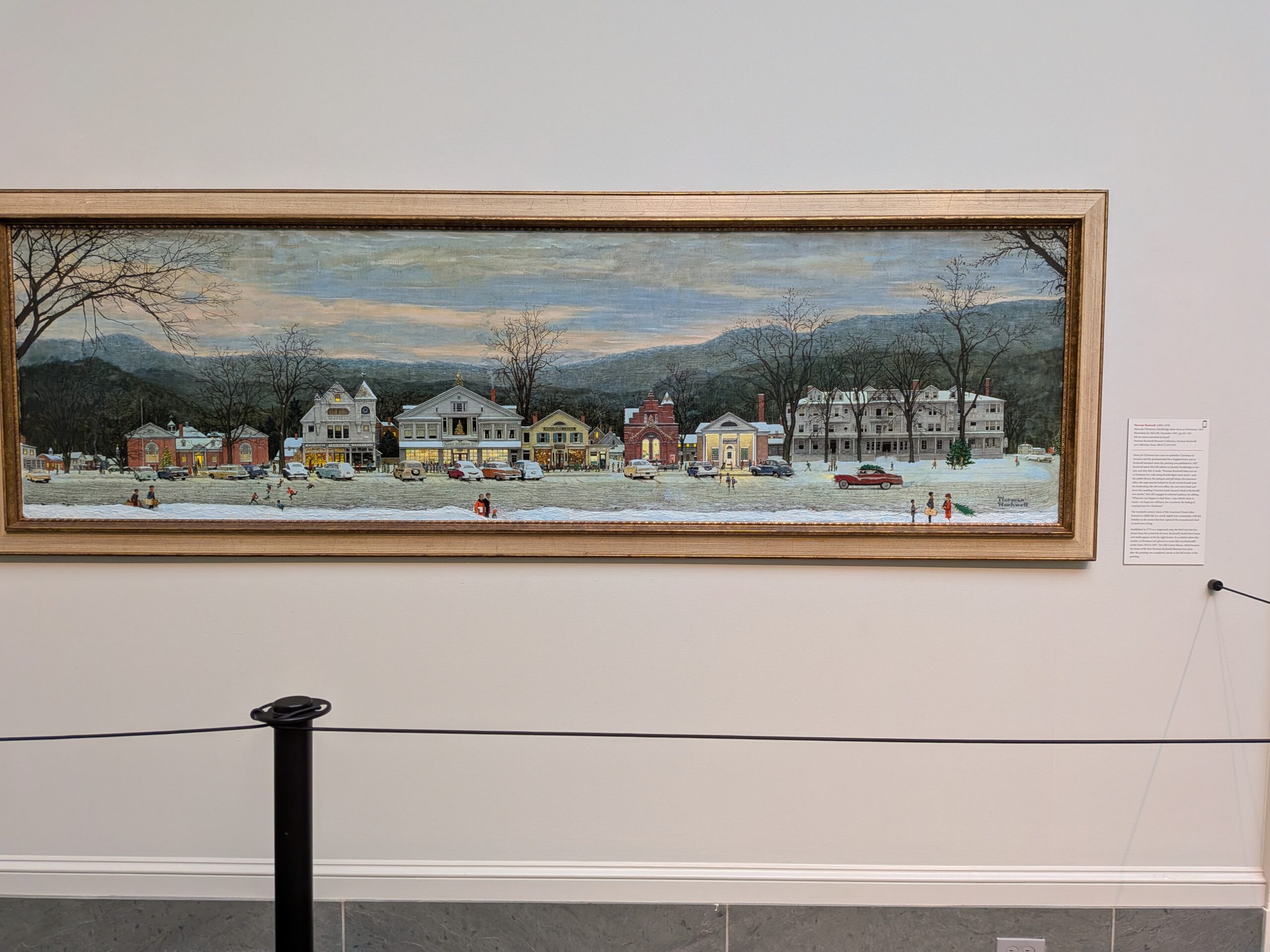
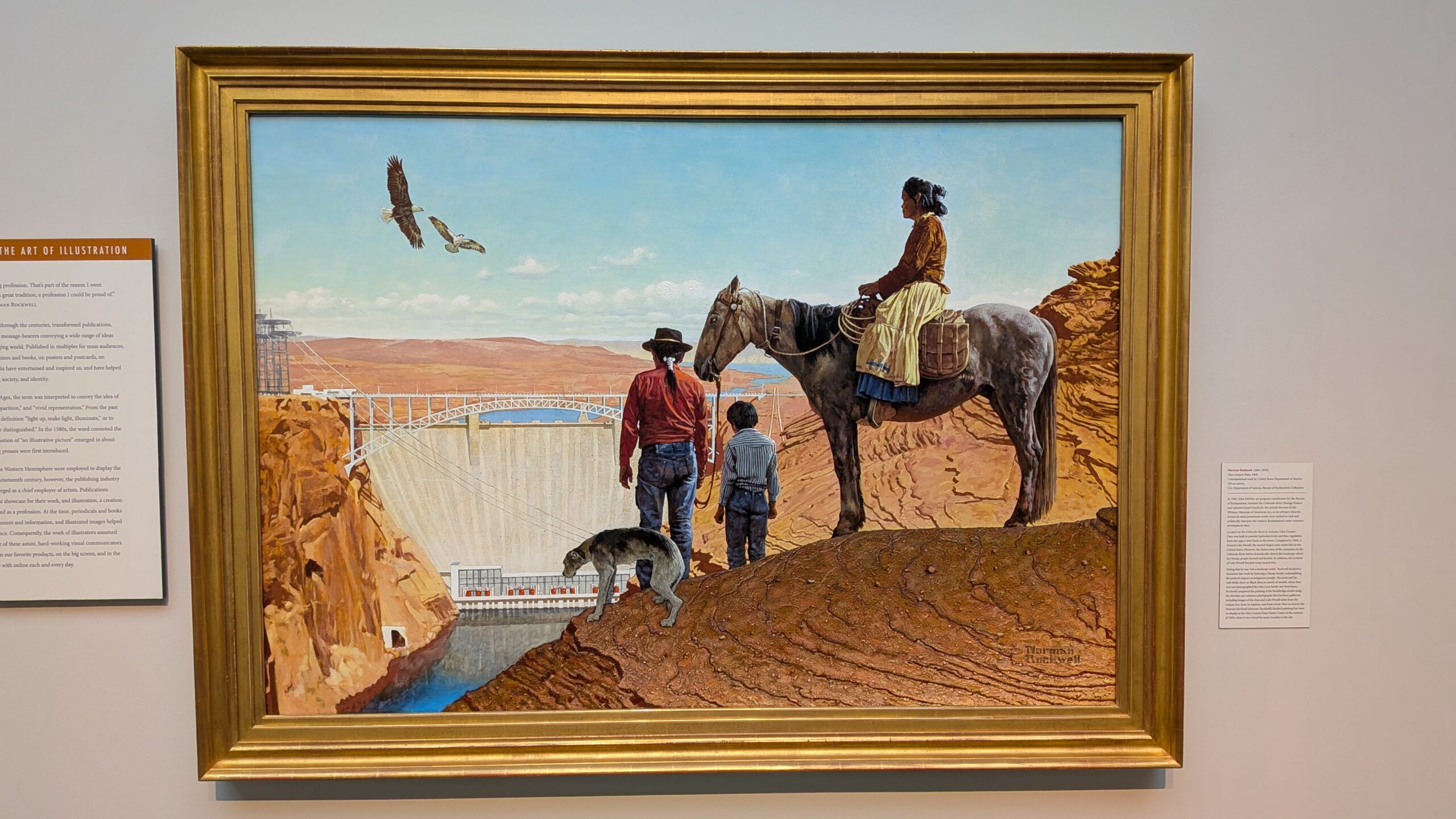
Outside the museum, we were pleasantly surprised by a modern art installation spread across the grounds. The contrast between Rockwell’s wholesome, narrative paintings and the bold, contemporary outdoor pieces added an unexpected dimension to the visit. It gave us a chance to stretch our legs and take in something very different before moving on.
From Stockbridge, we continued on to the Hancock Shaker Village. Having previously visited the Oneida Community Mansion House in New York, it was fascinating to compare the two utopian societies. The Shakers had a more enduring experiment—lasting much longer than the short-lived Oneida community—and their legacy is still very much present in the carefully preserved buildings and artifacts.
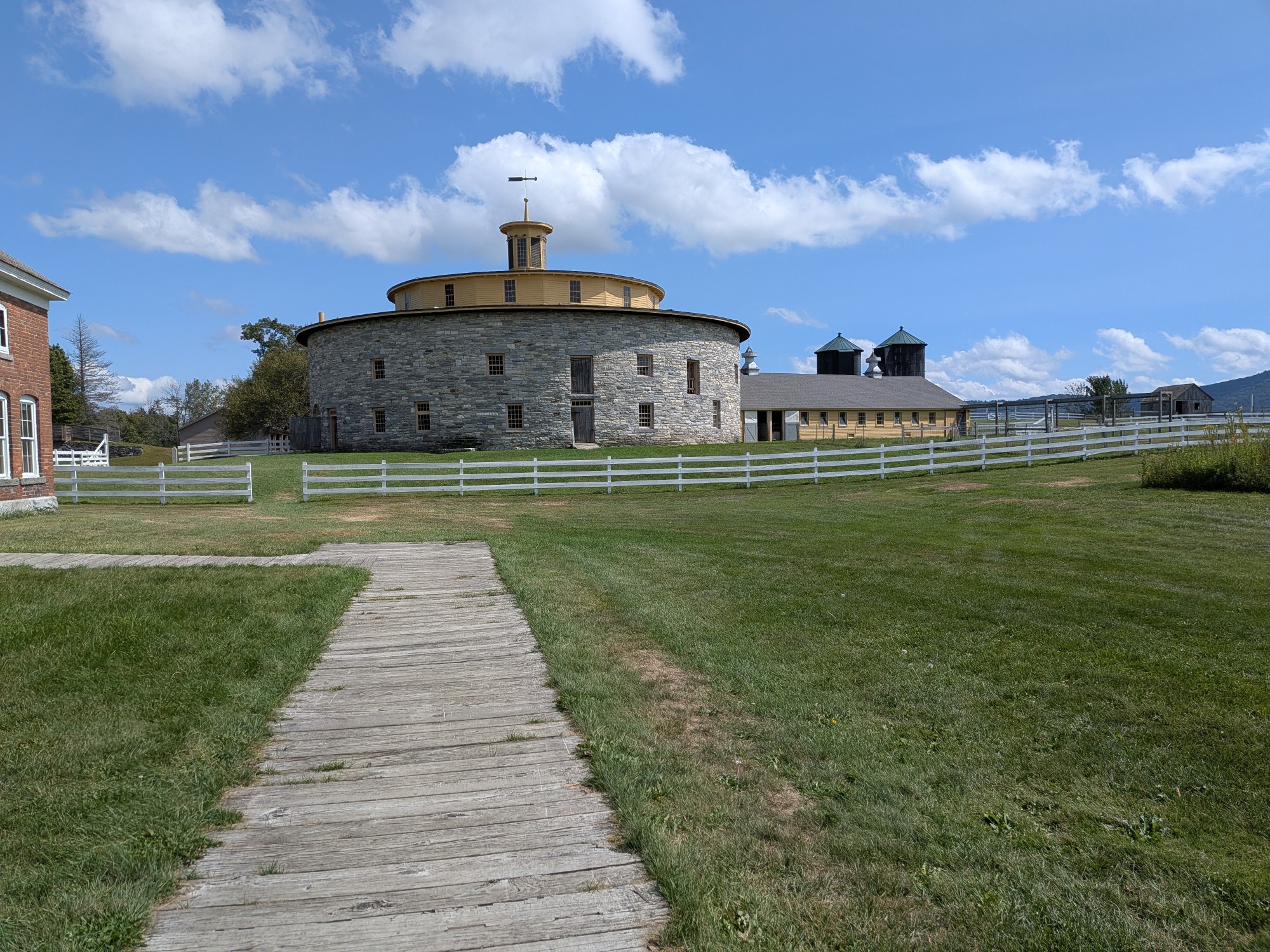
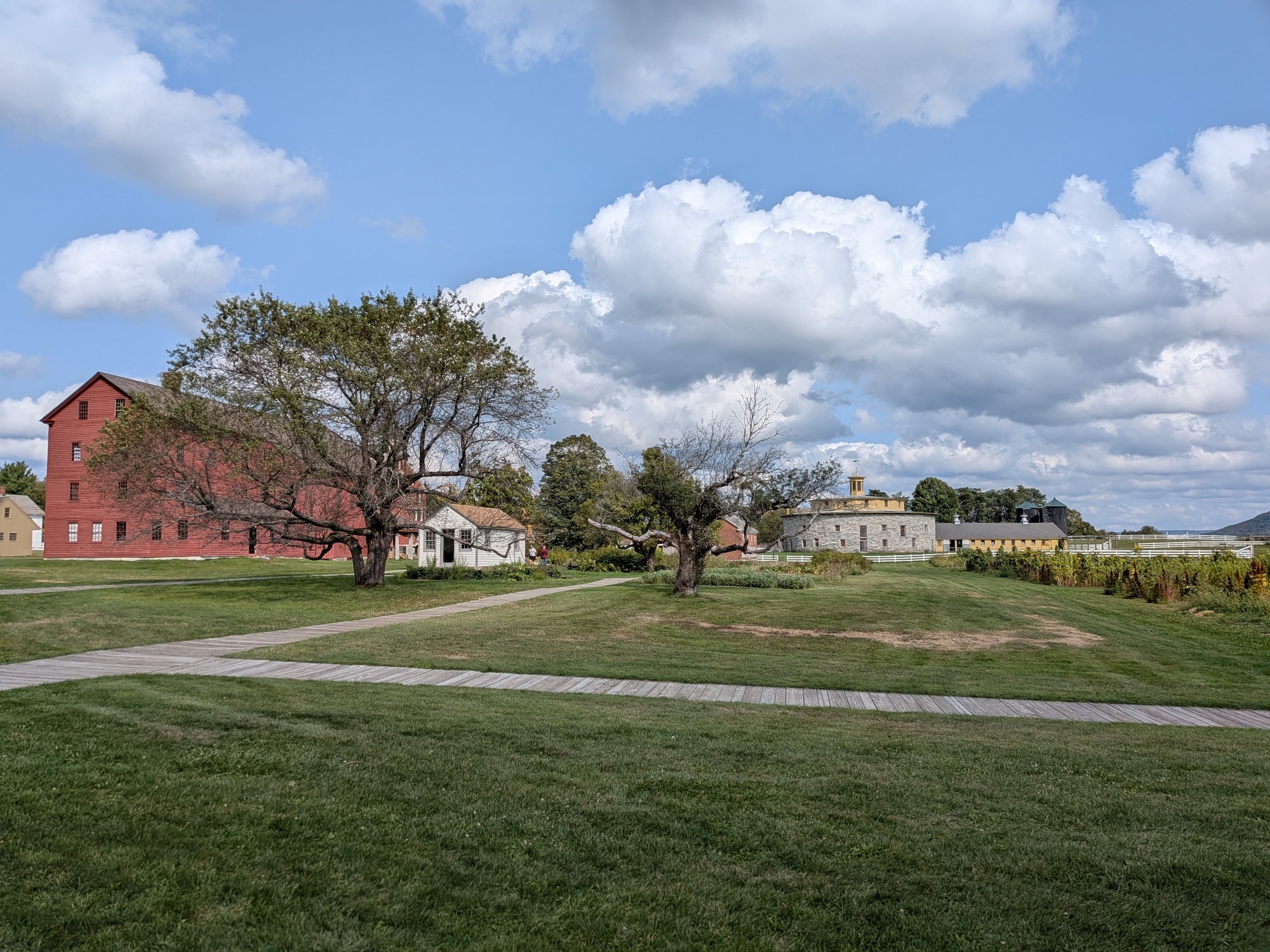
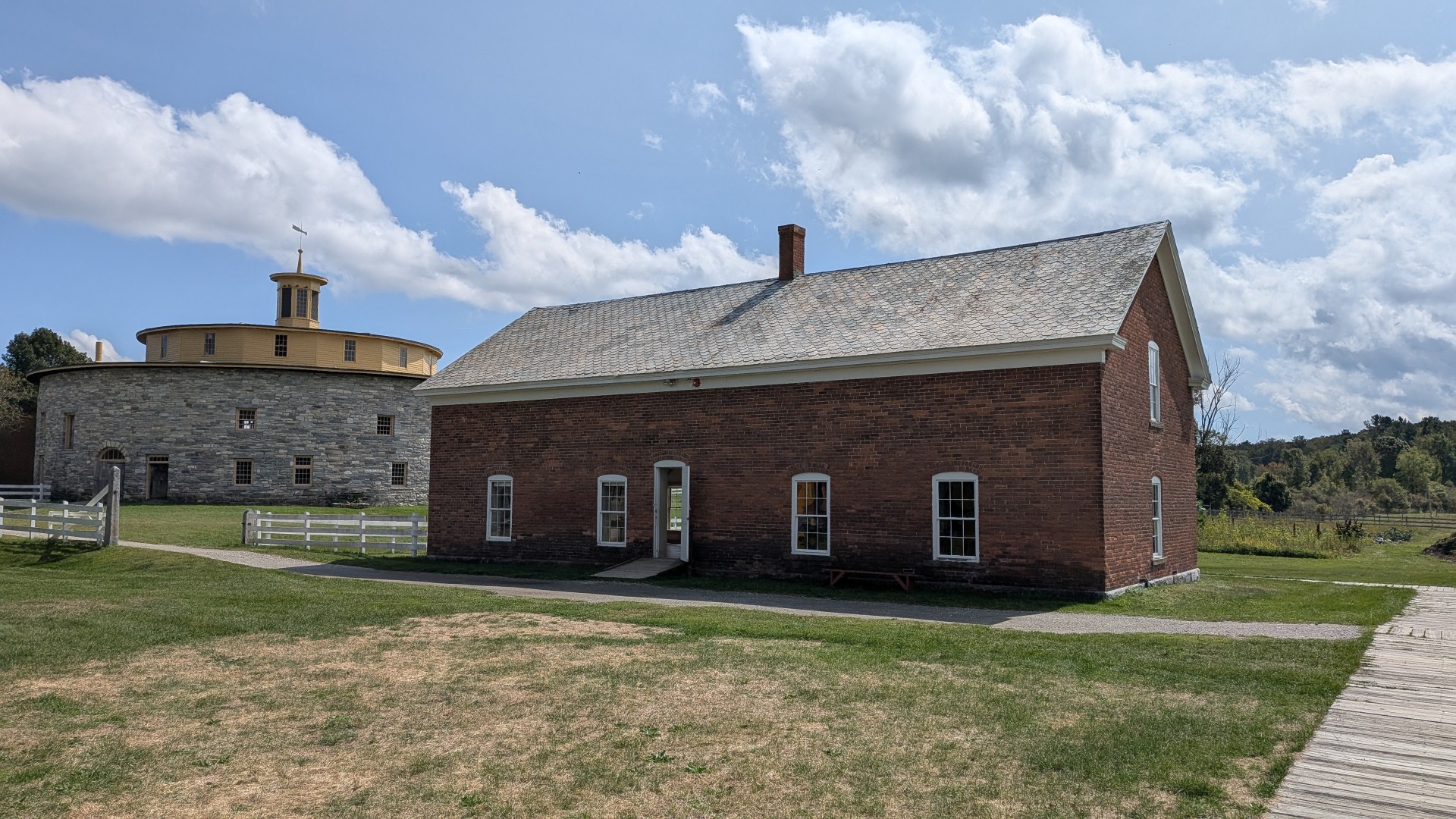
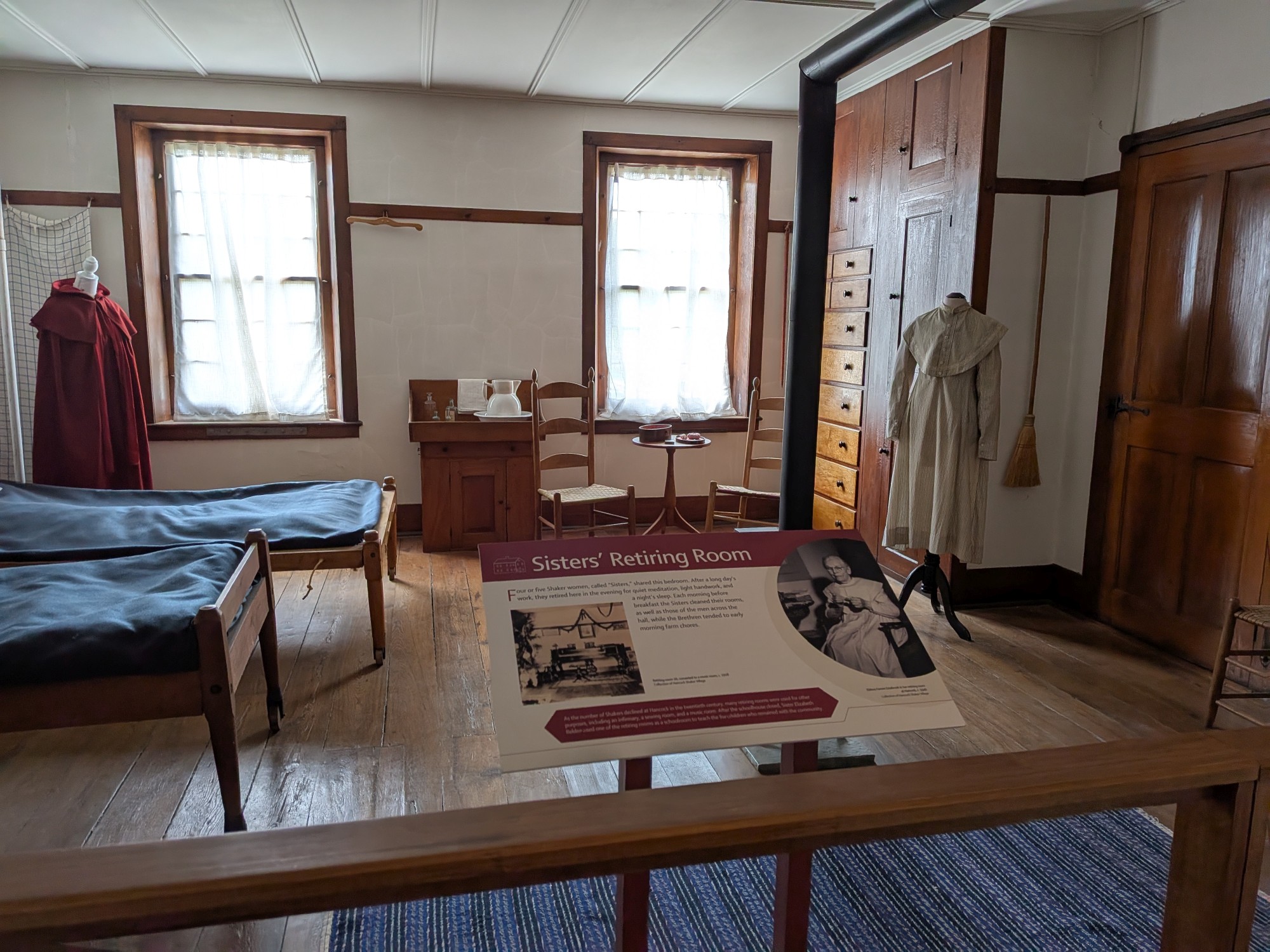
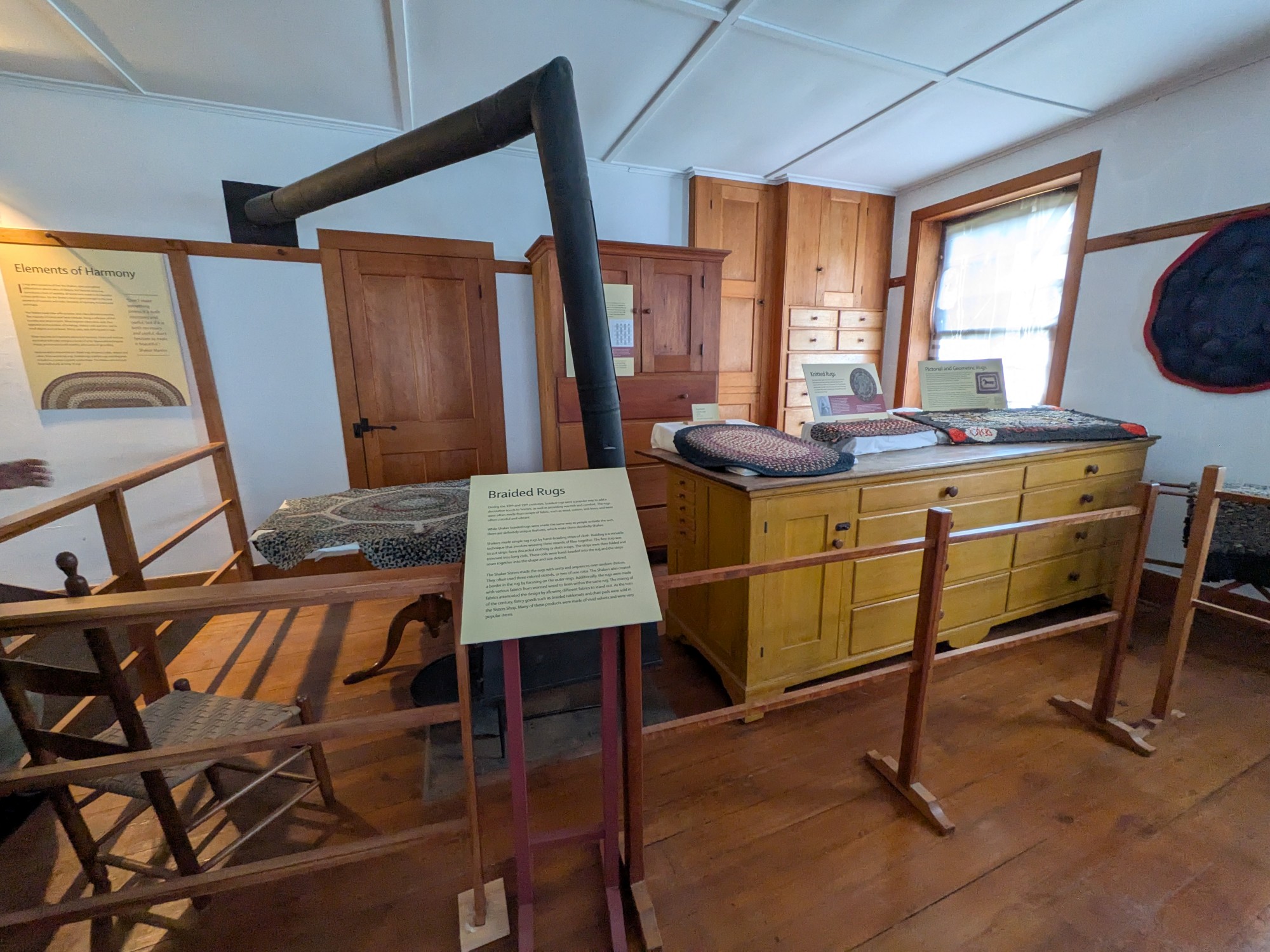
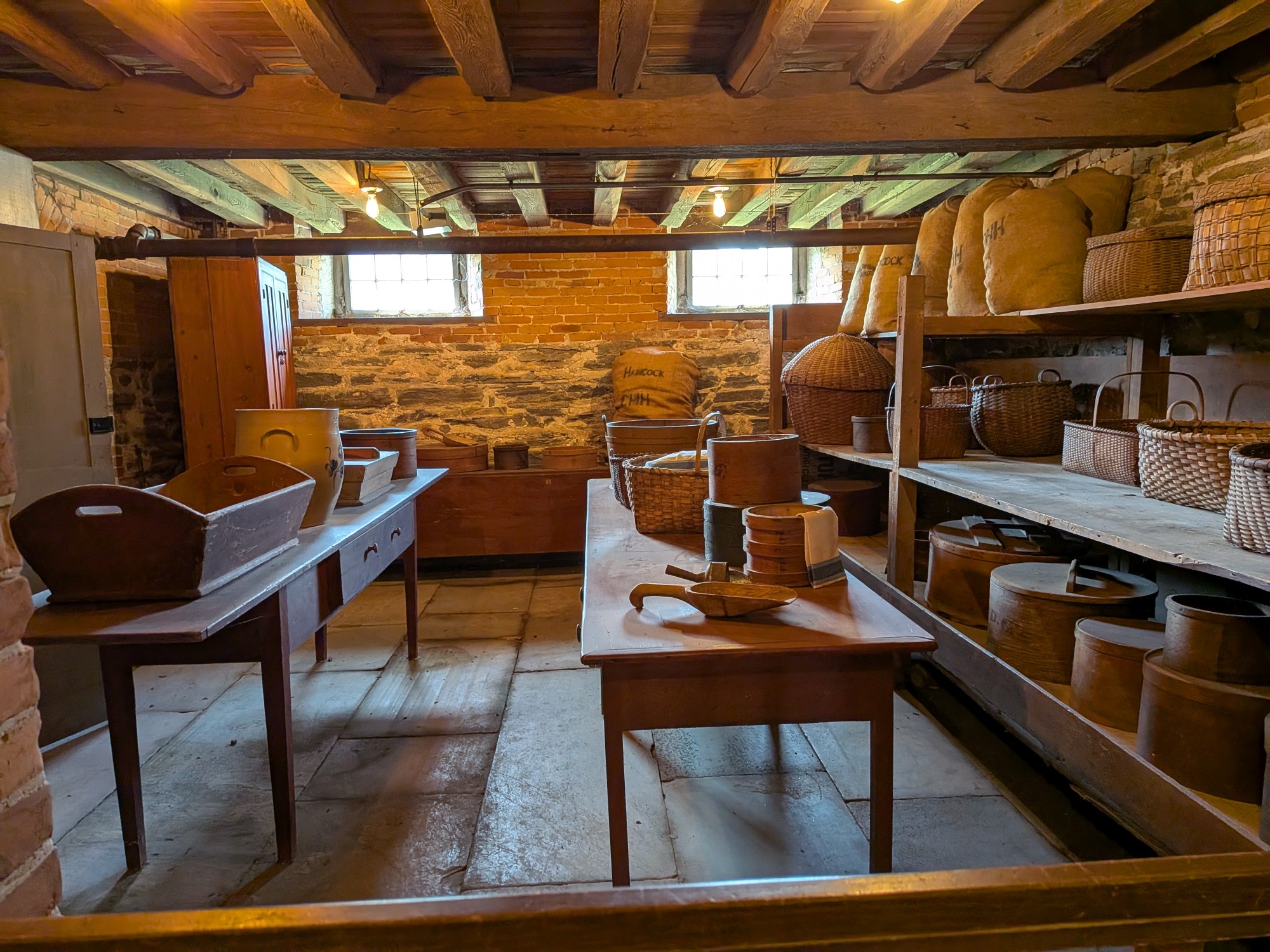
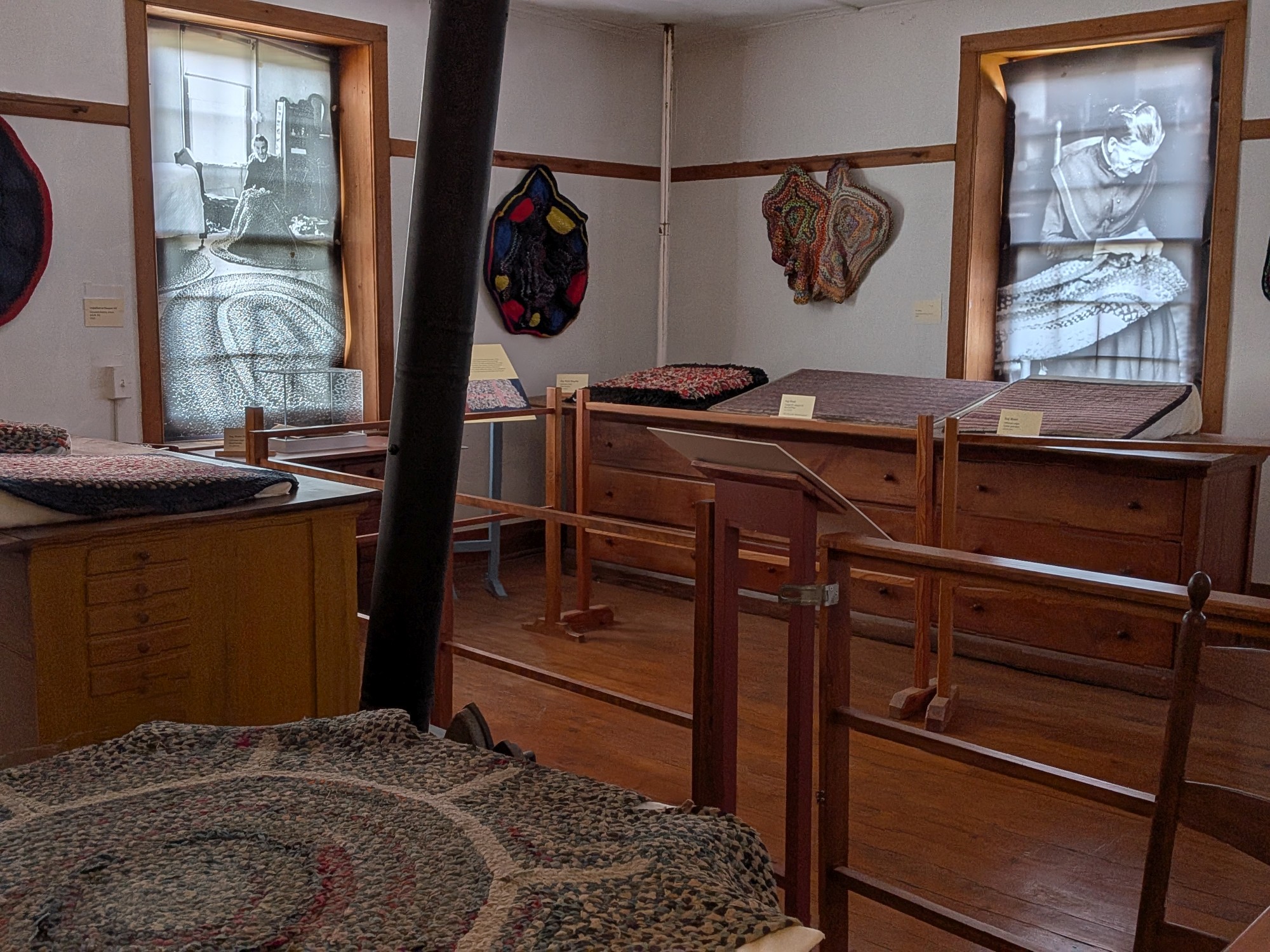
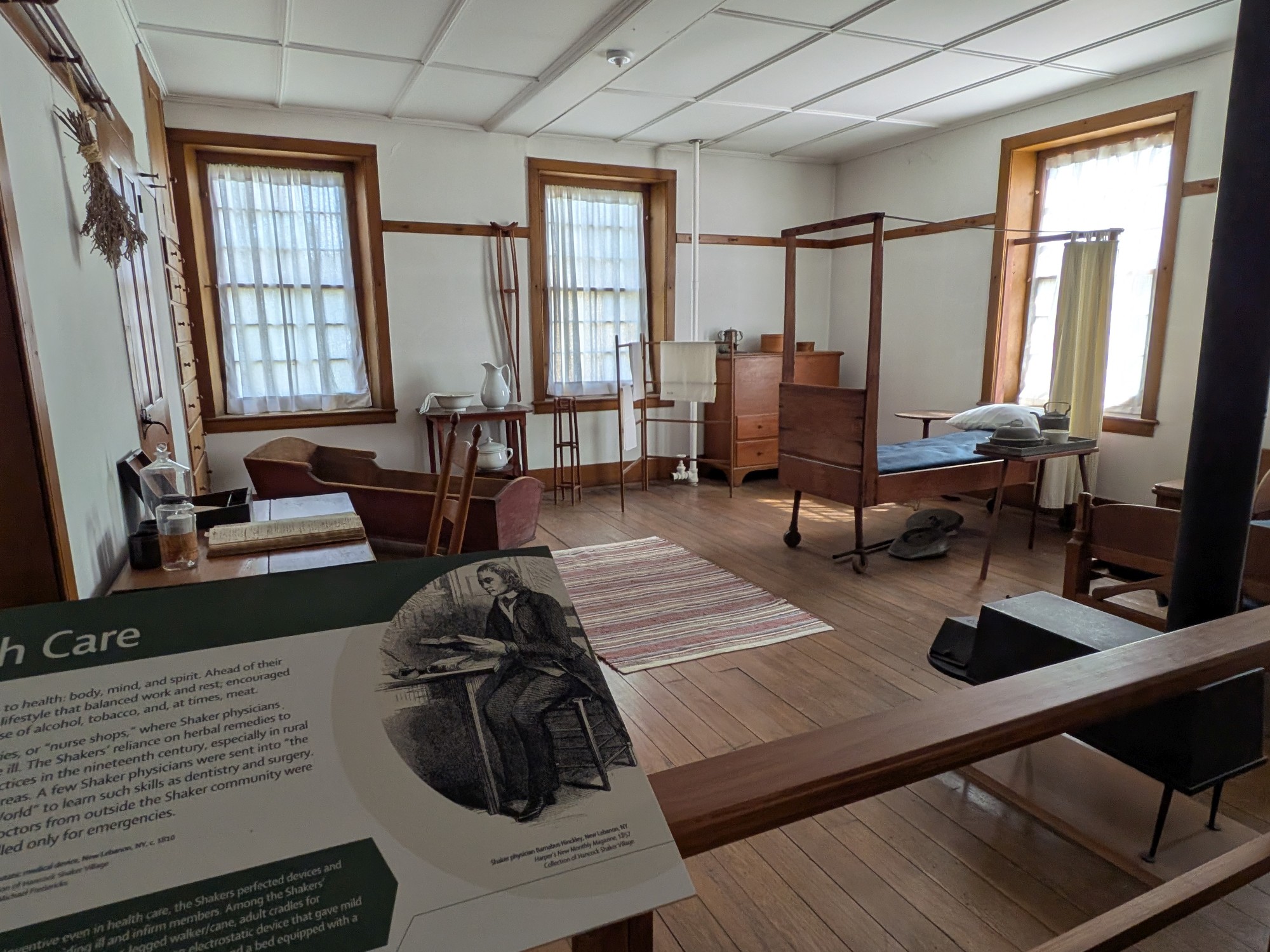
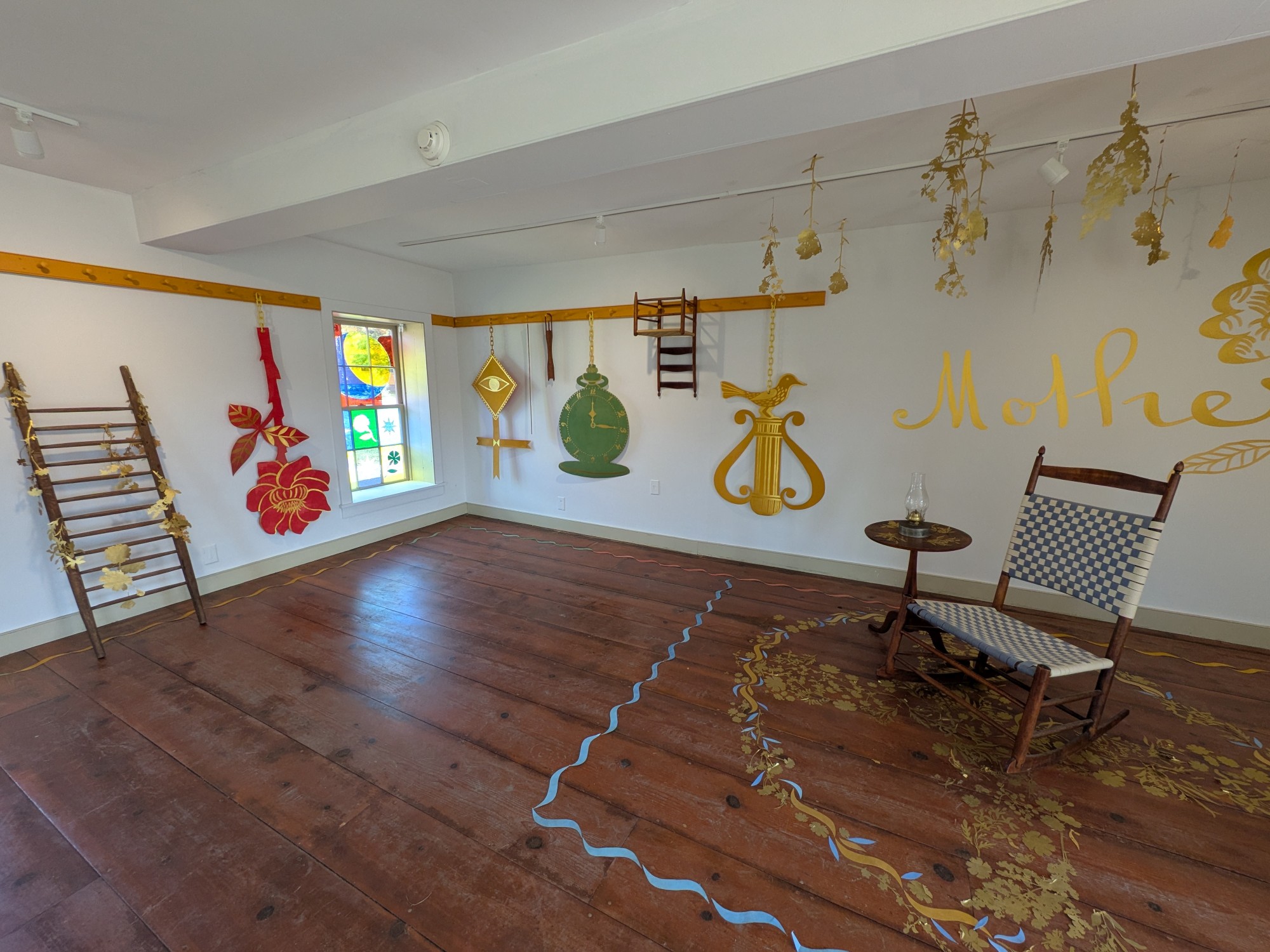
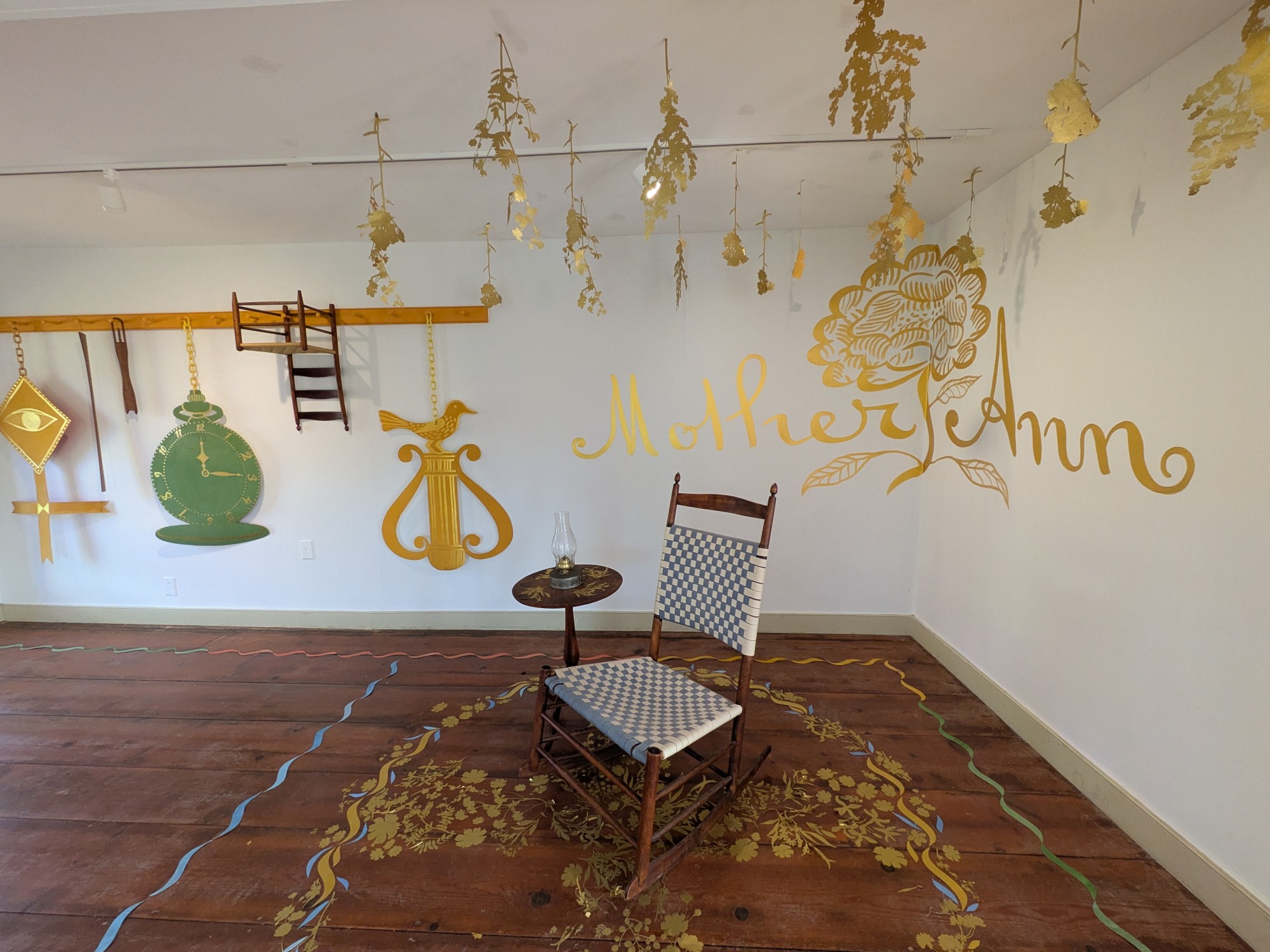
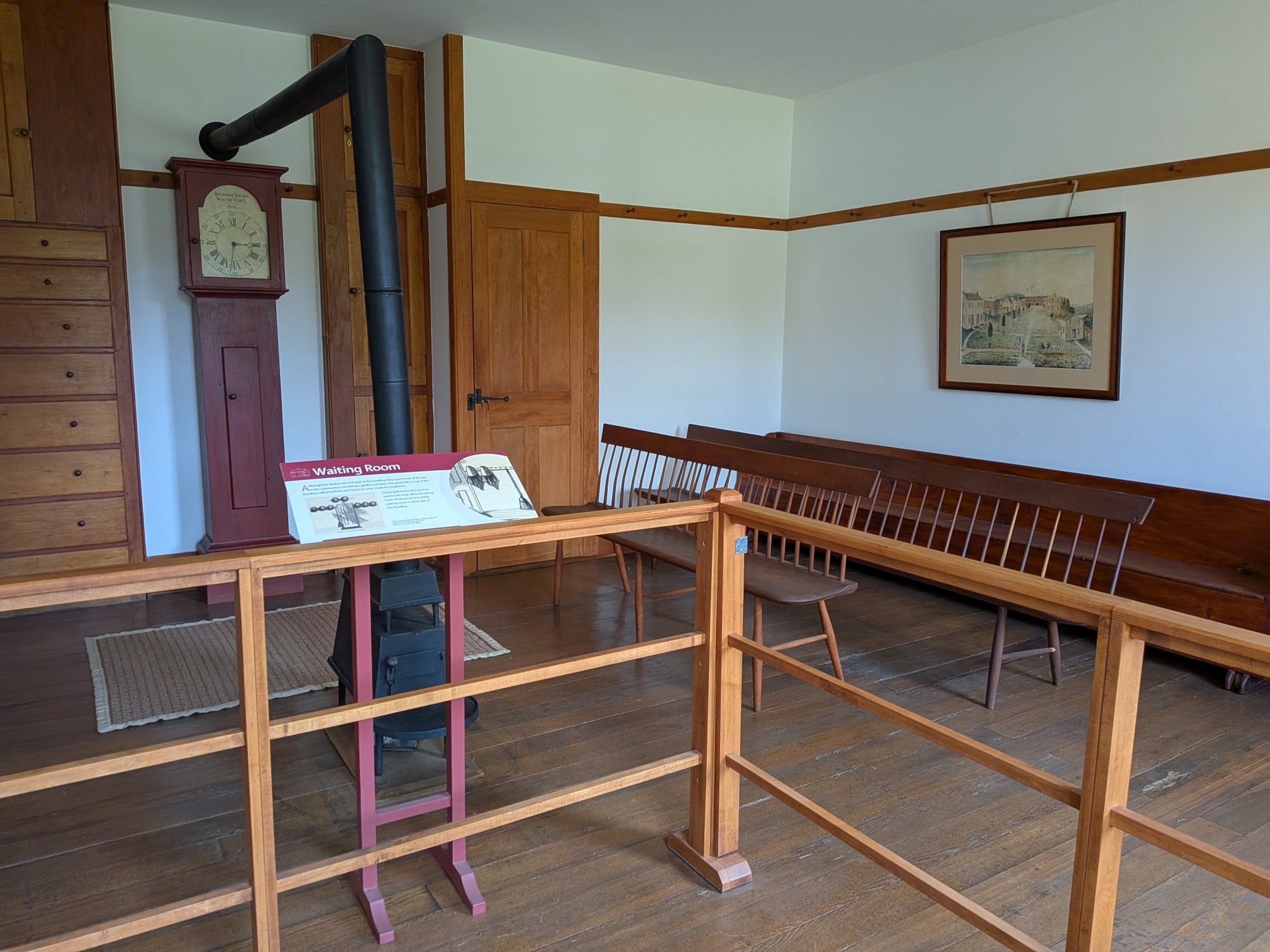
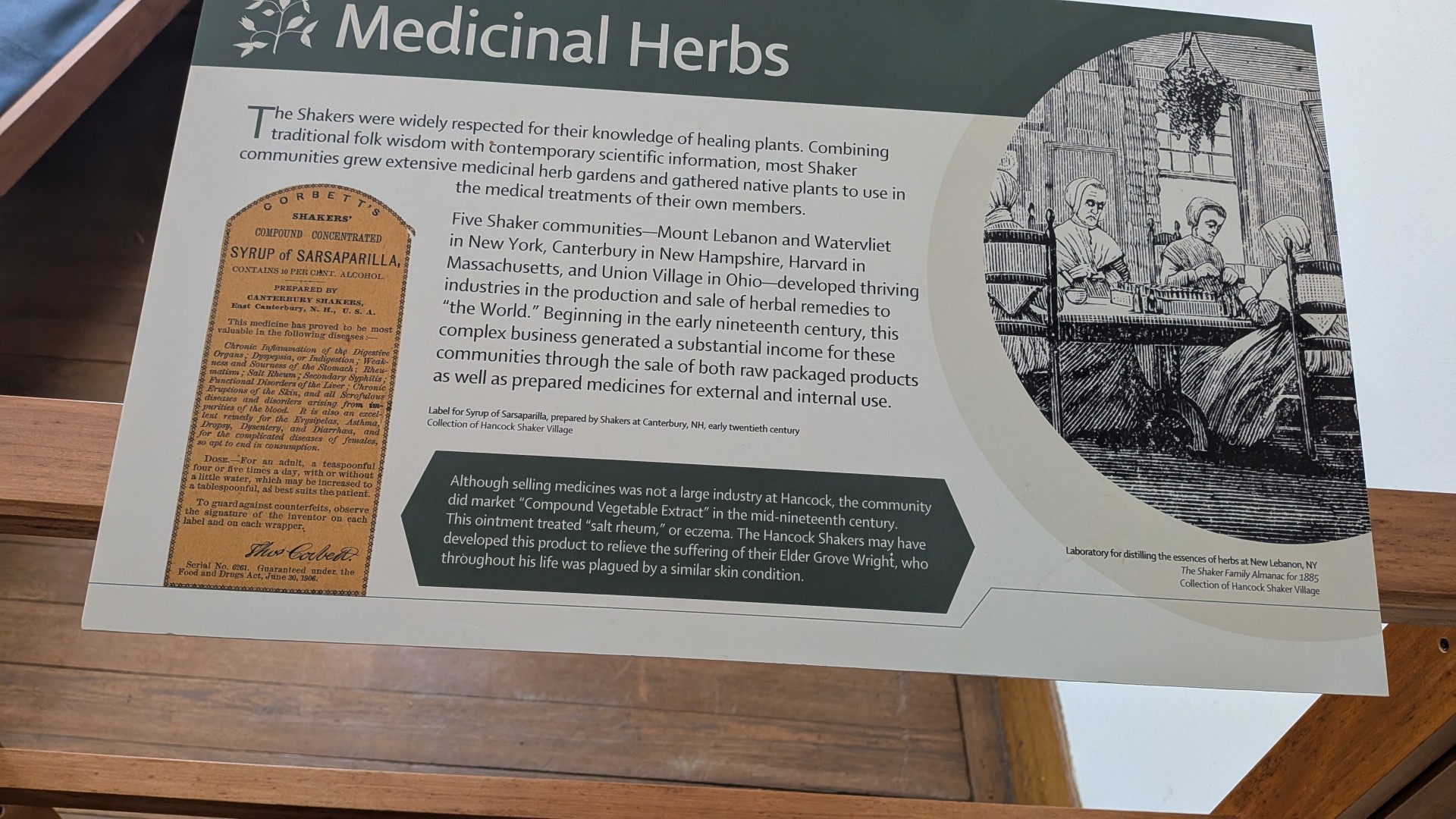
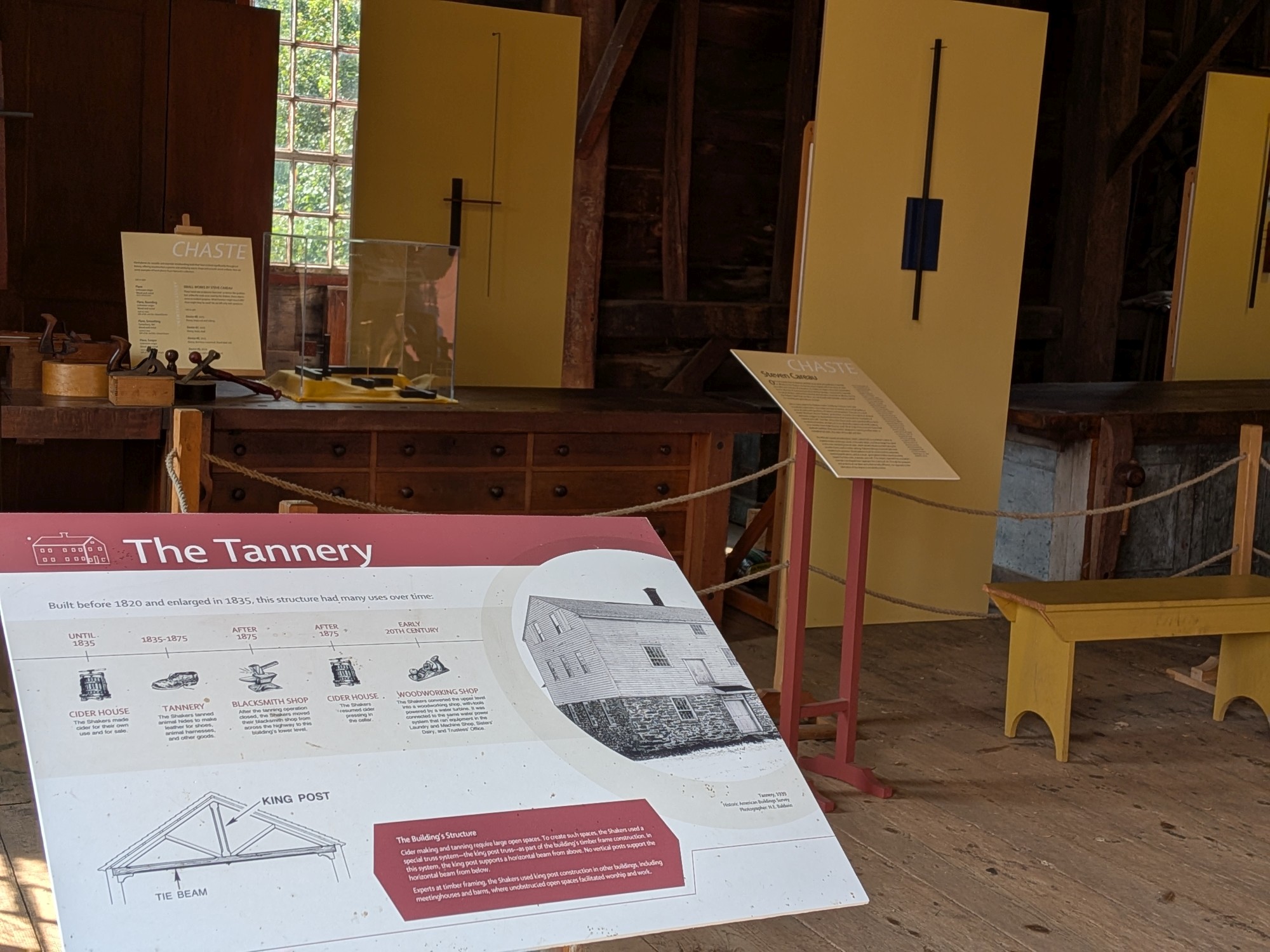
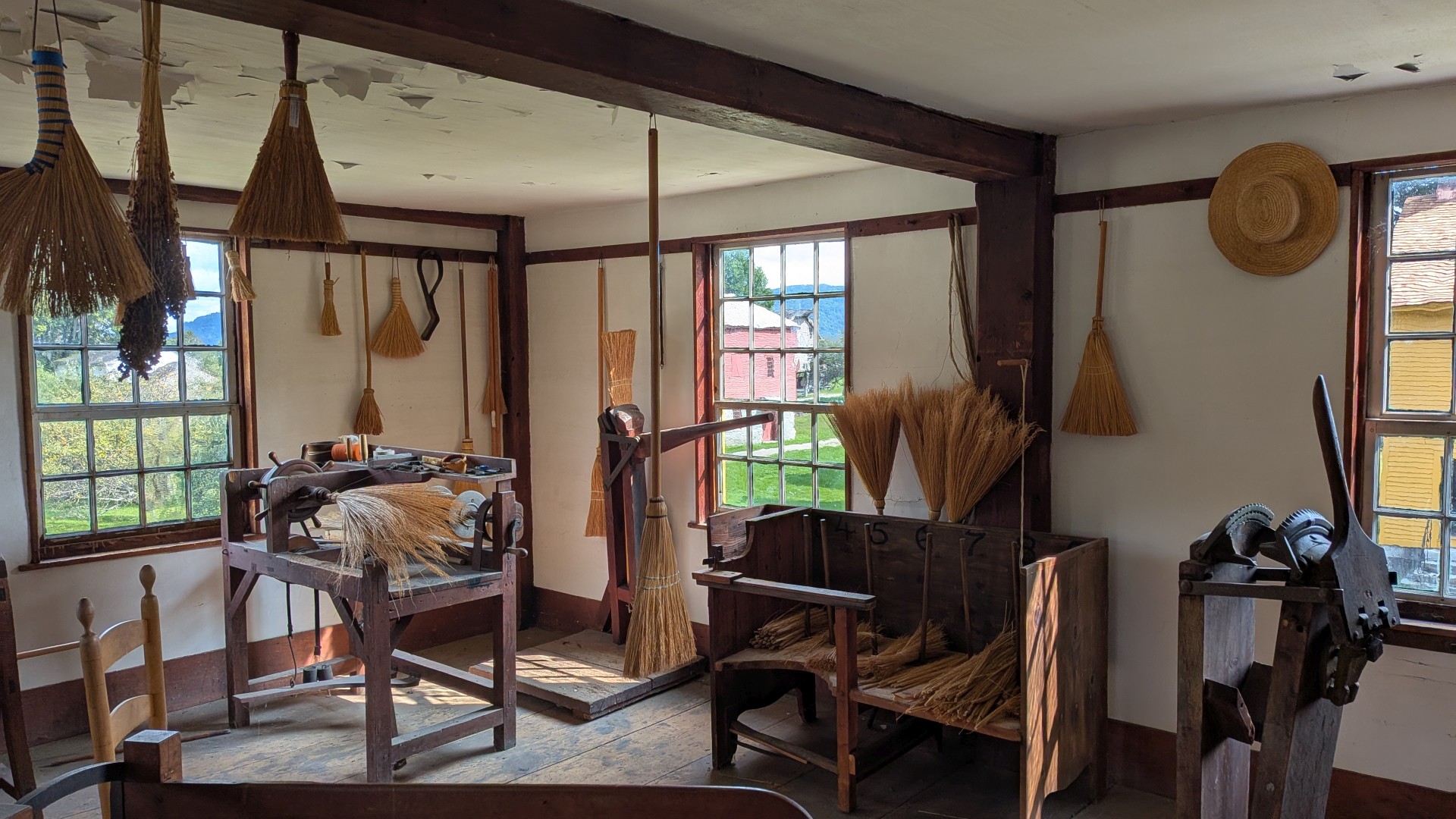
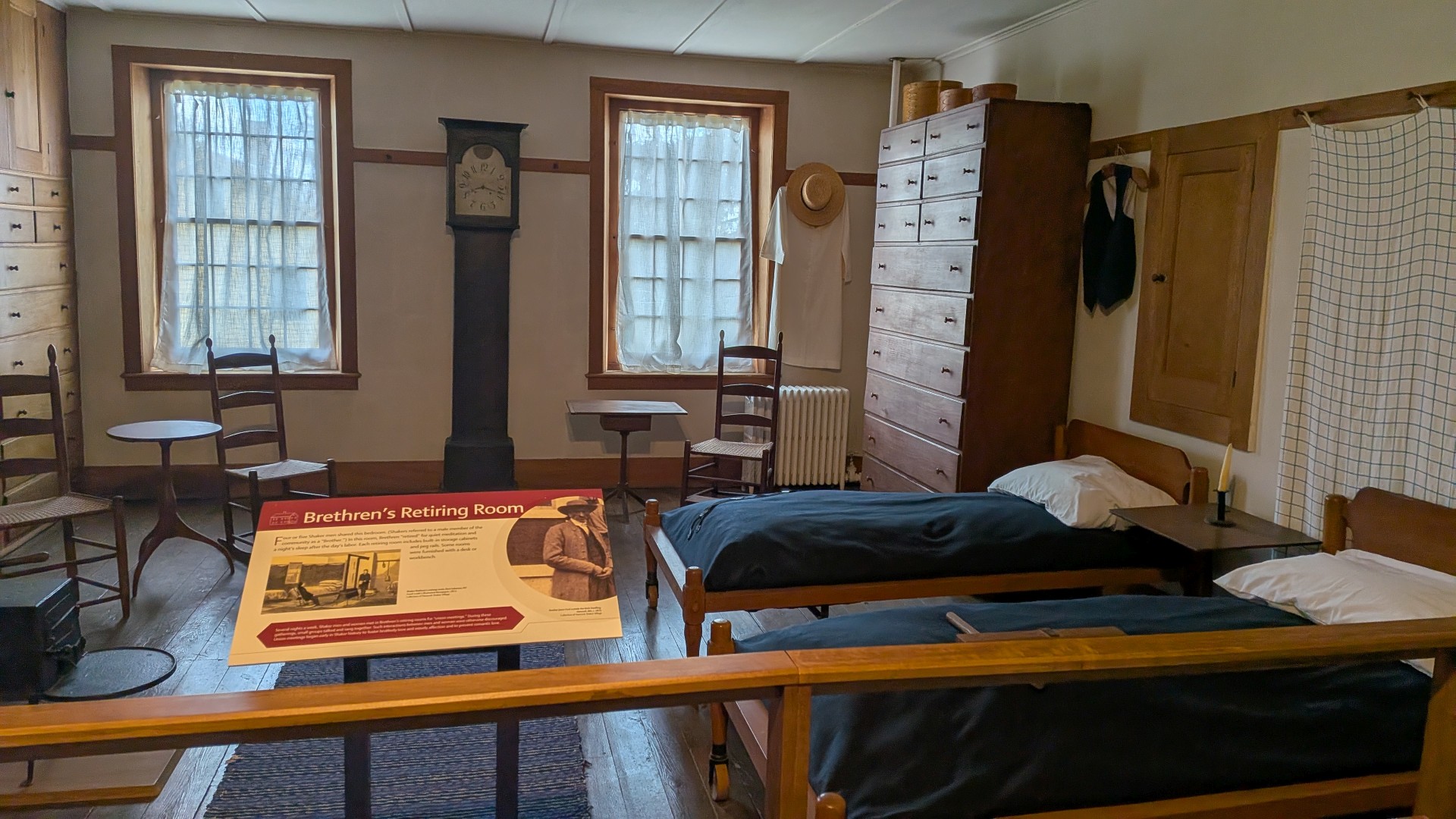
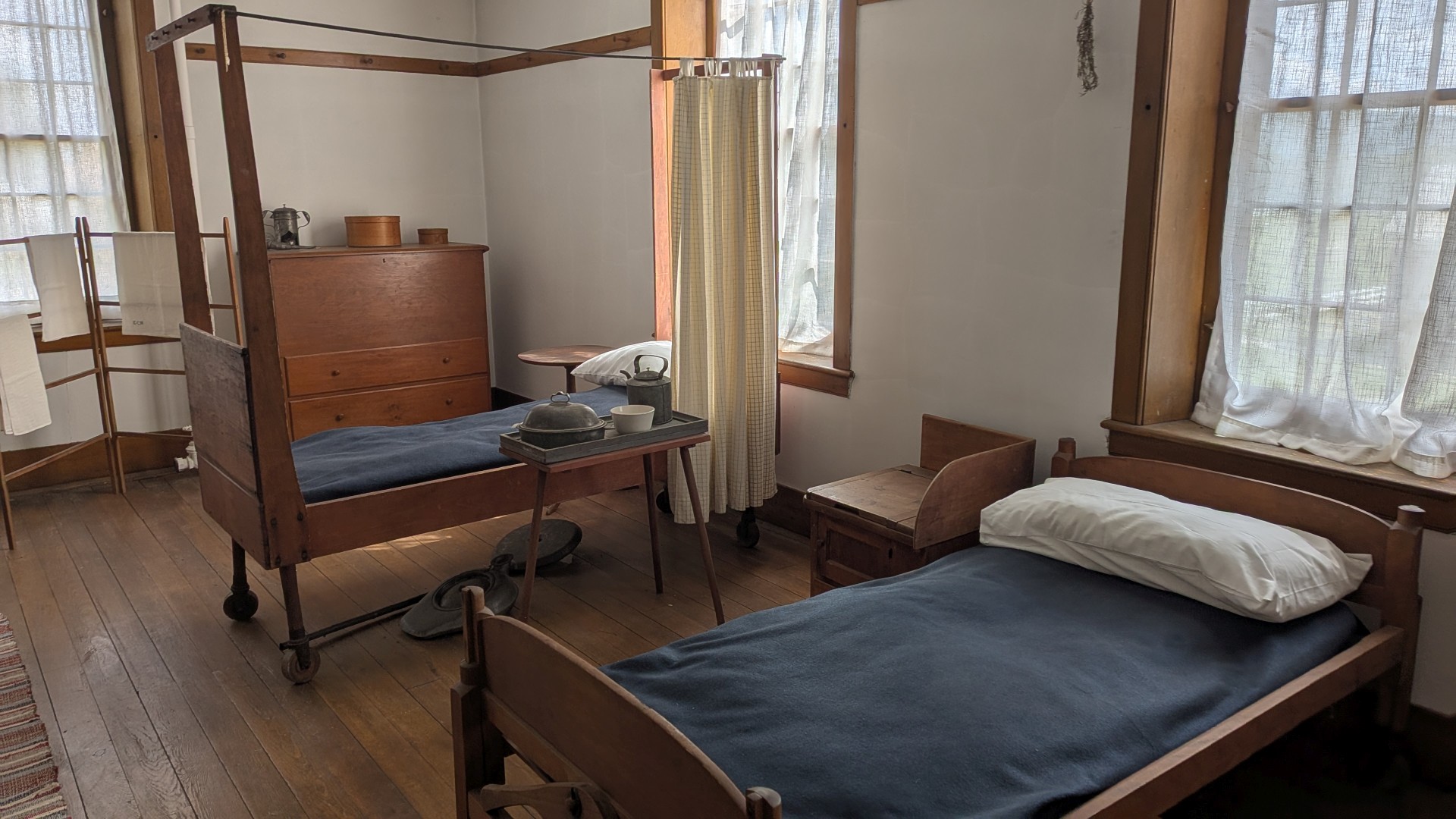
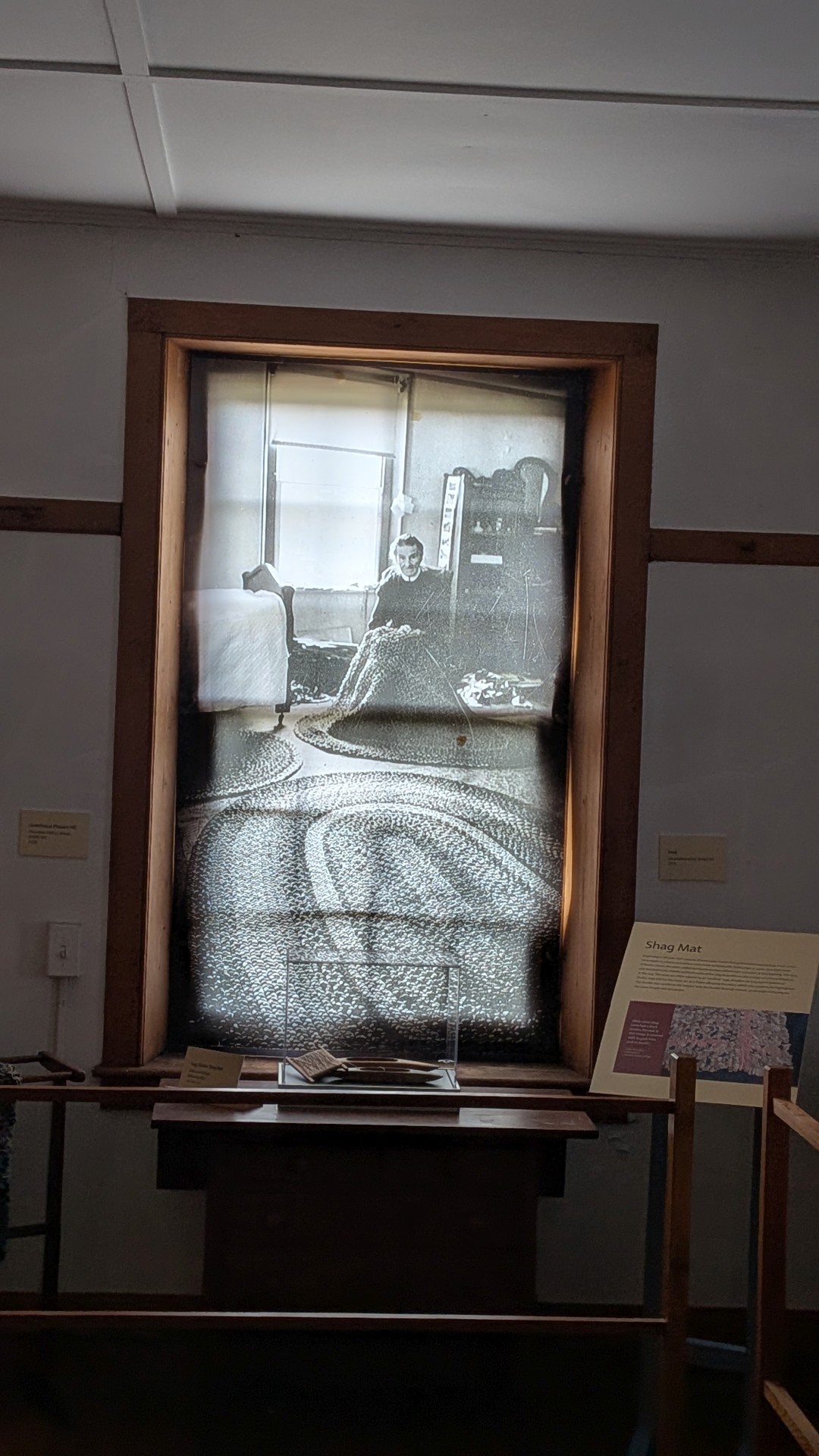
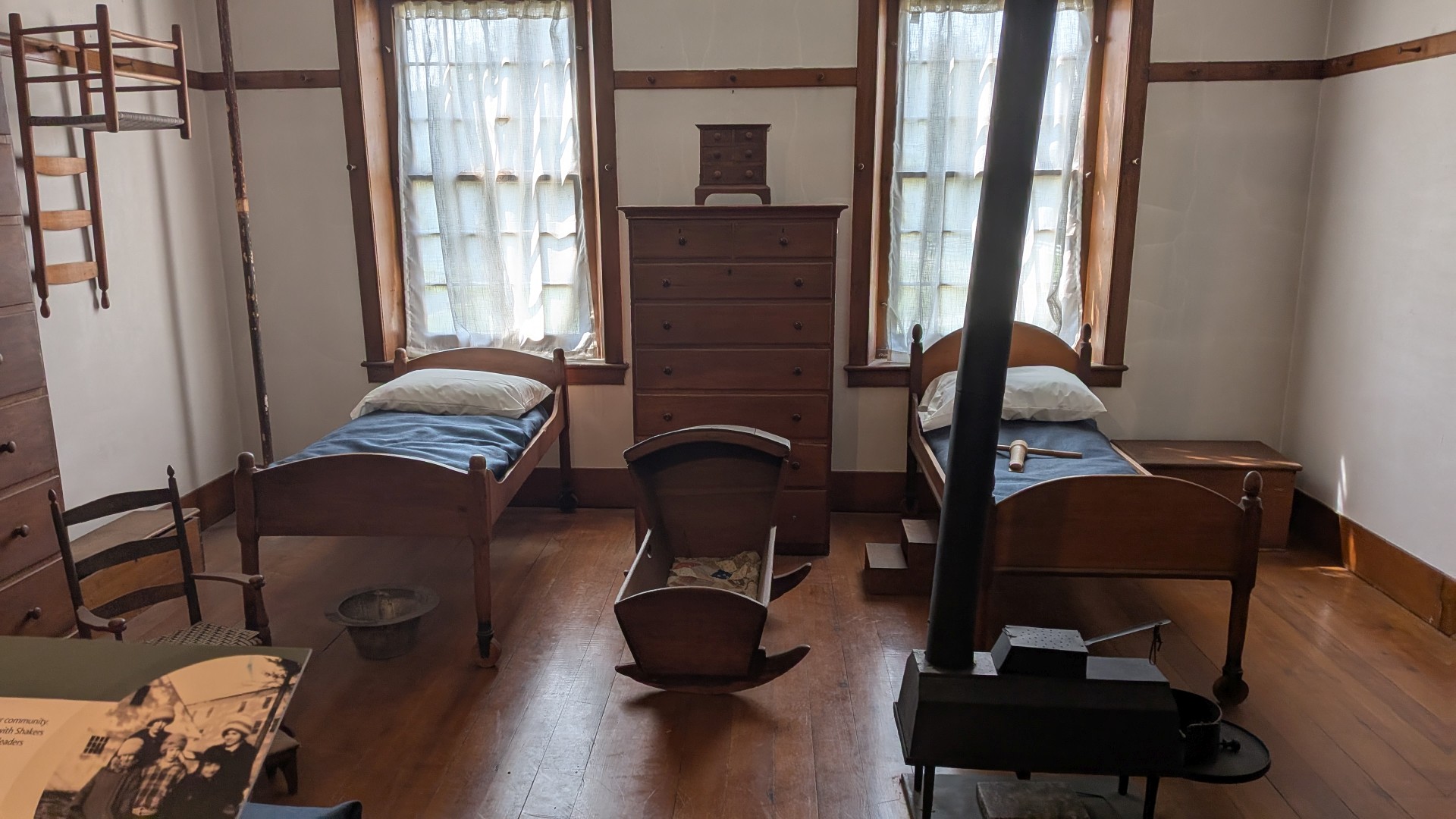
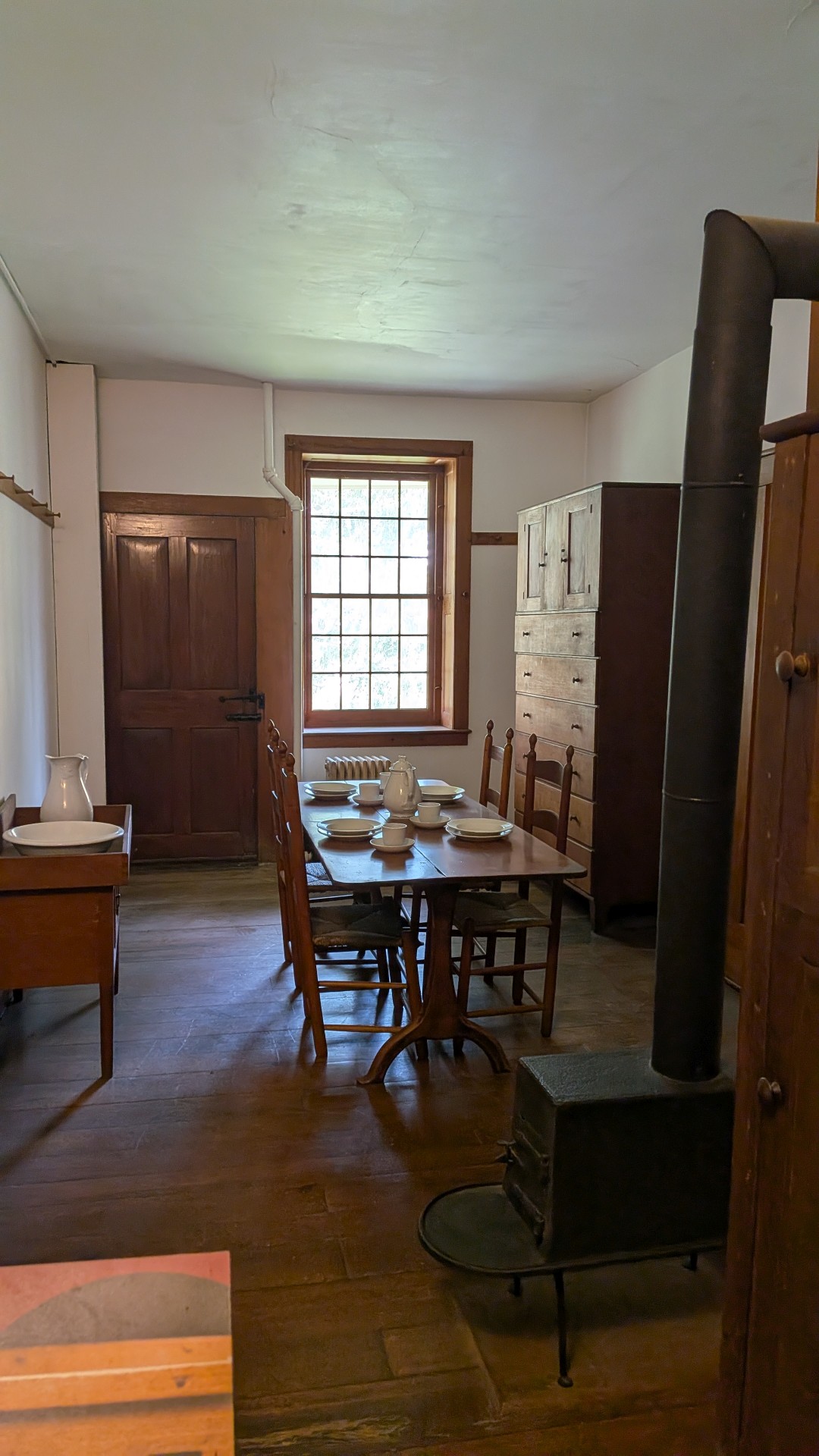
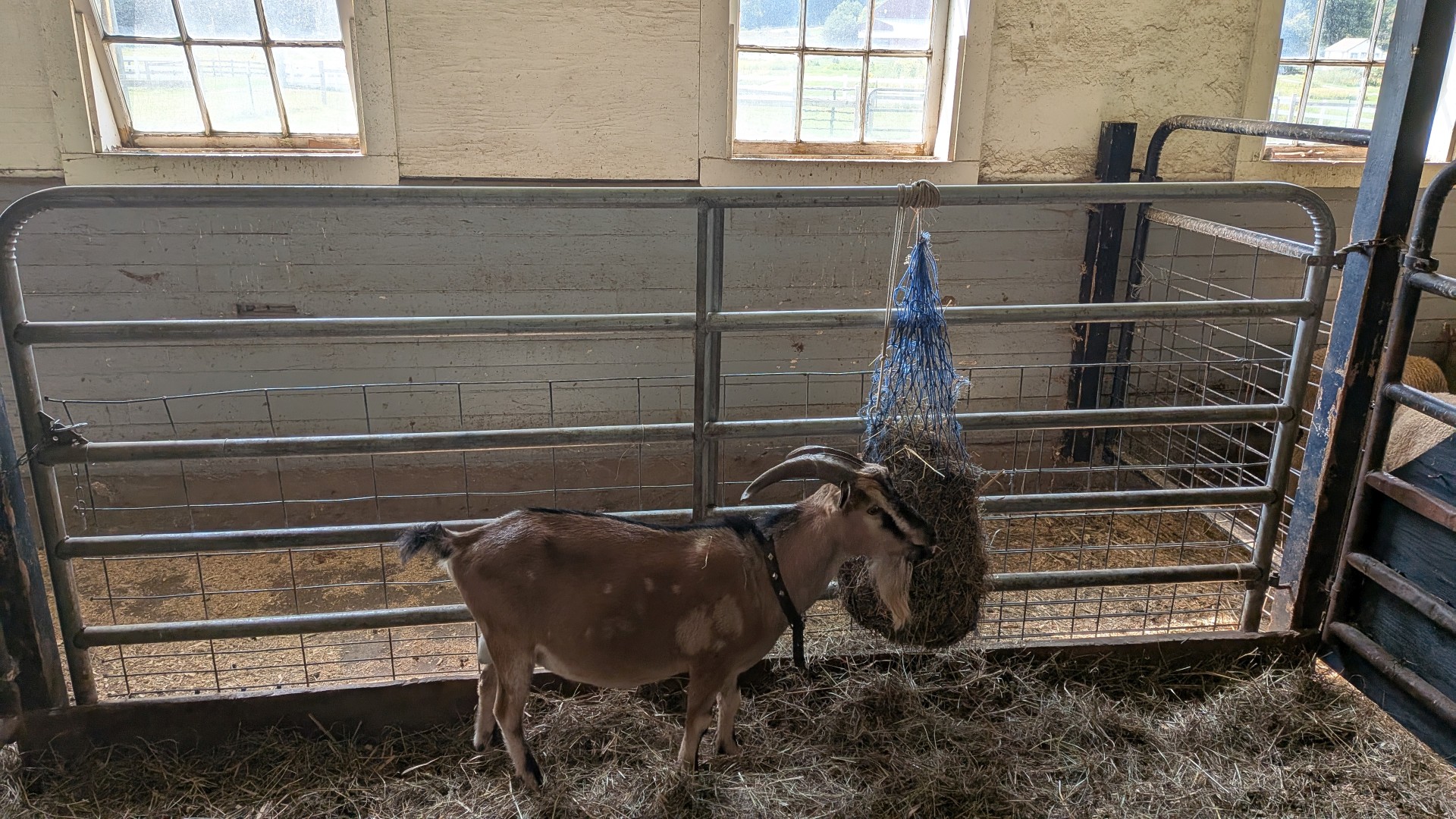
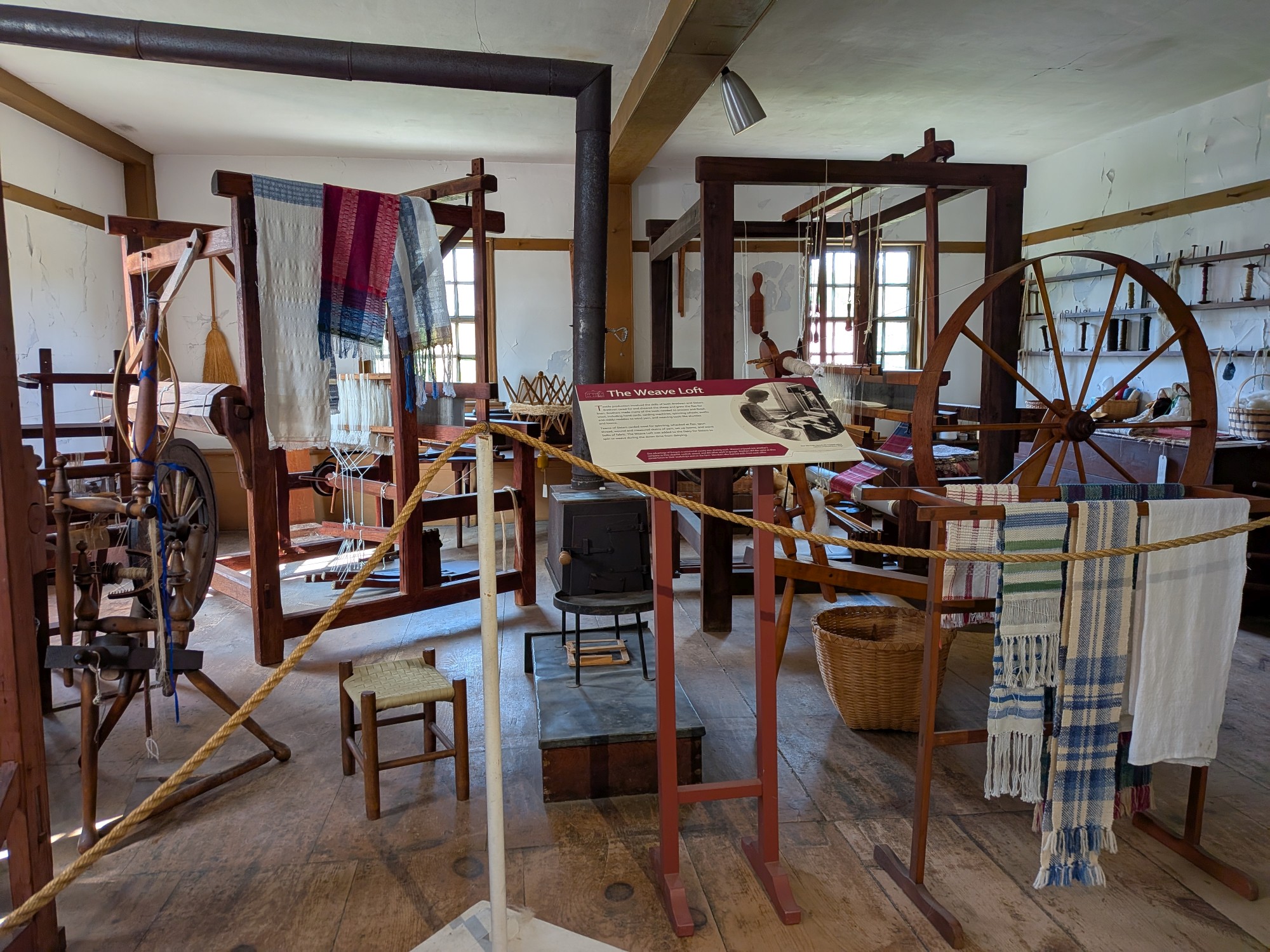
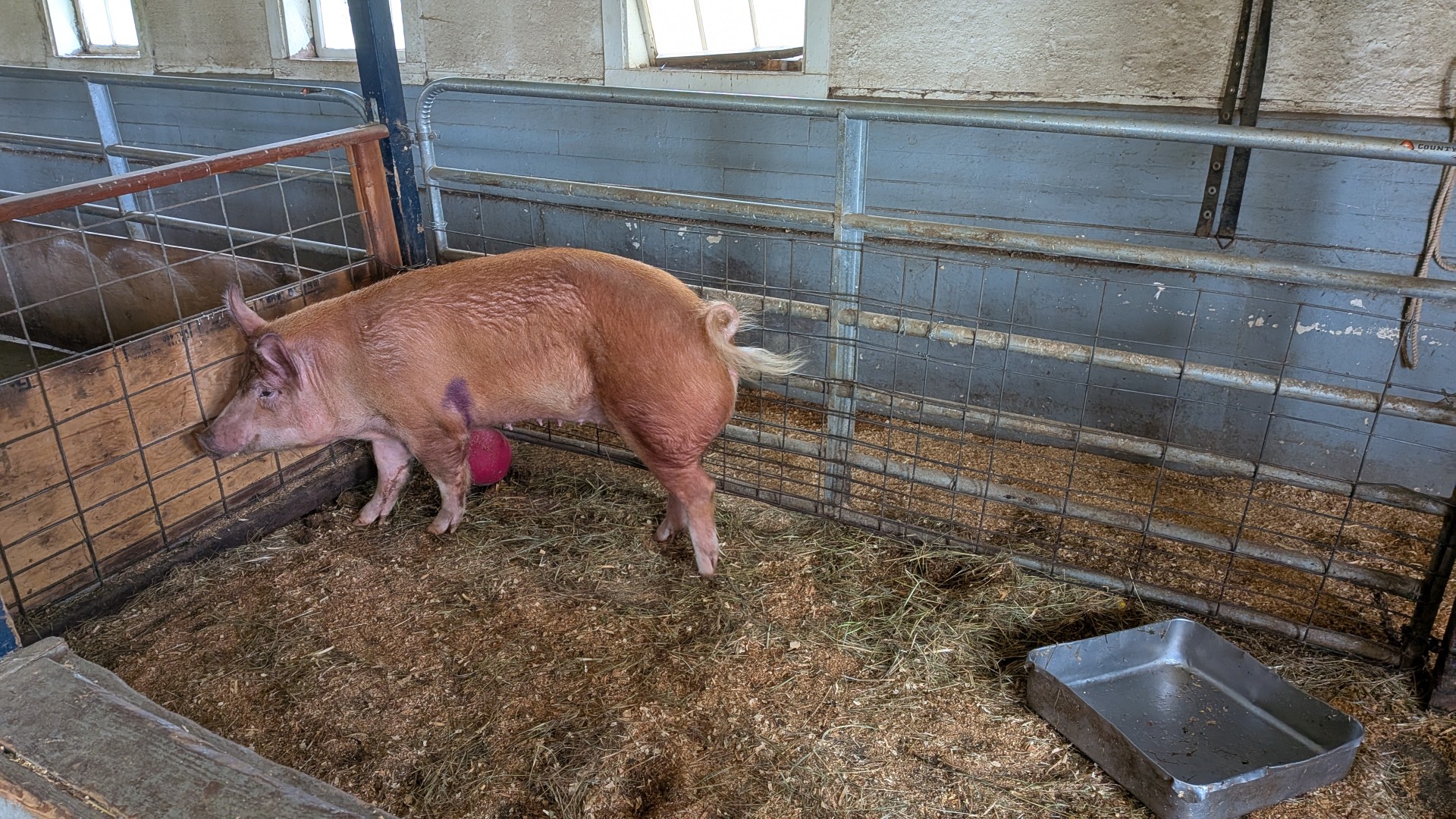
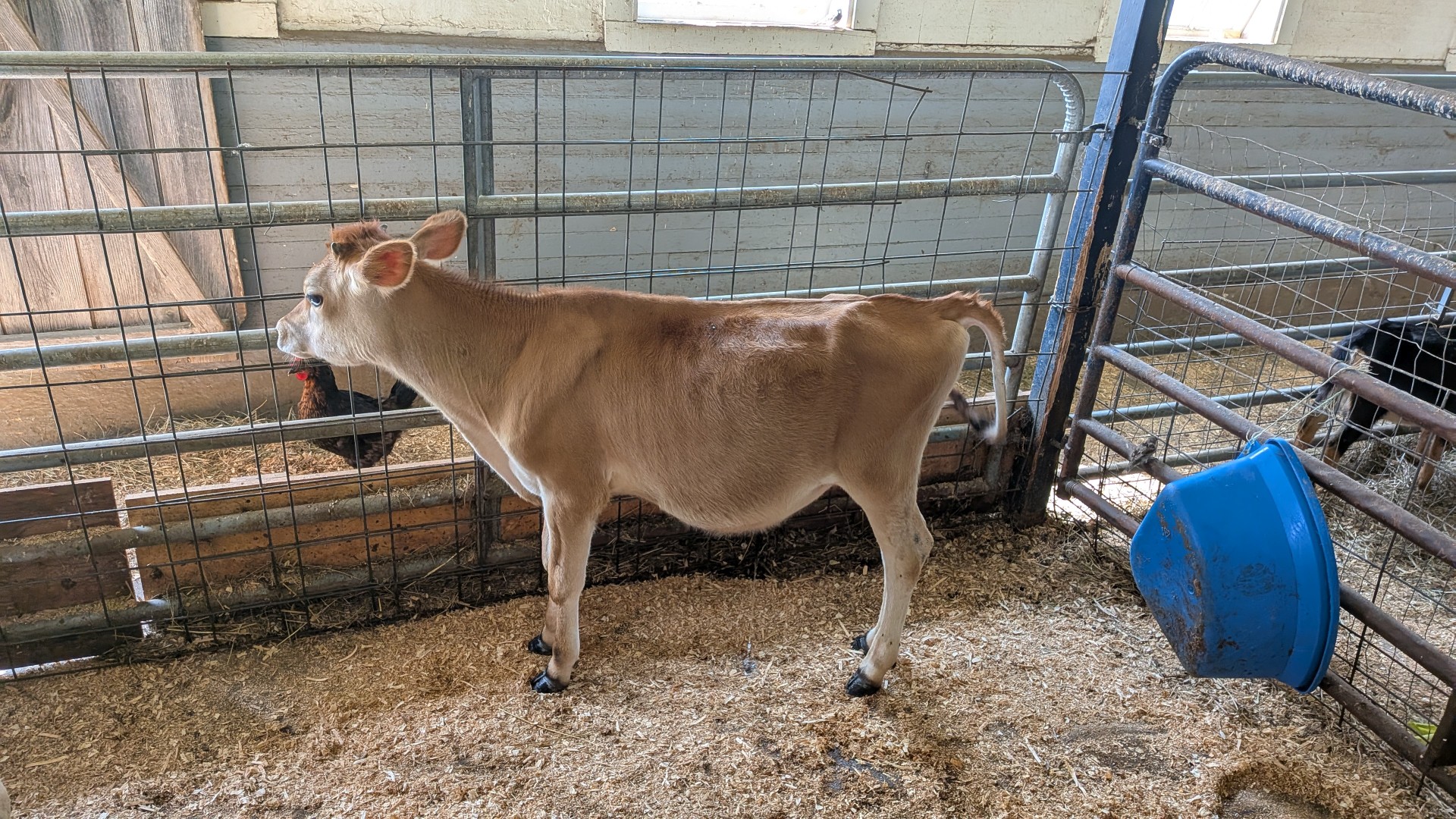
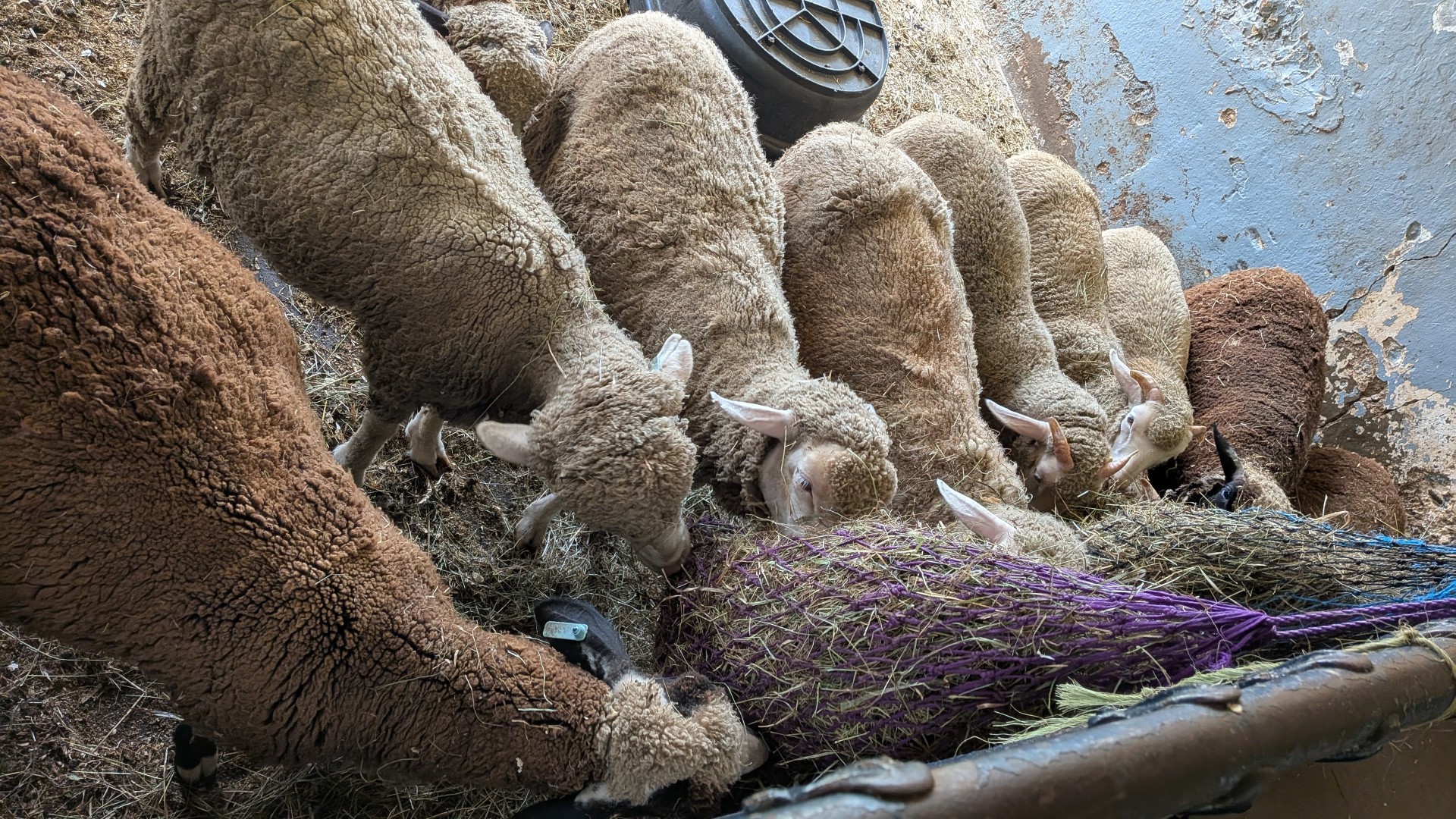
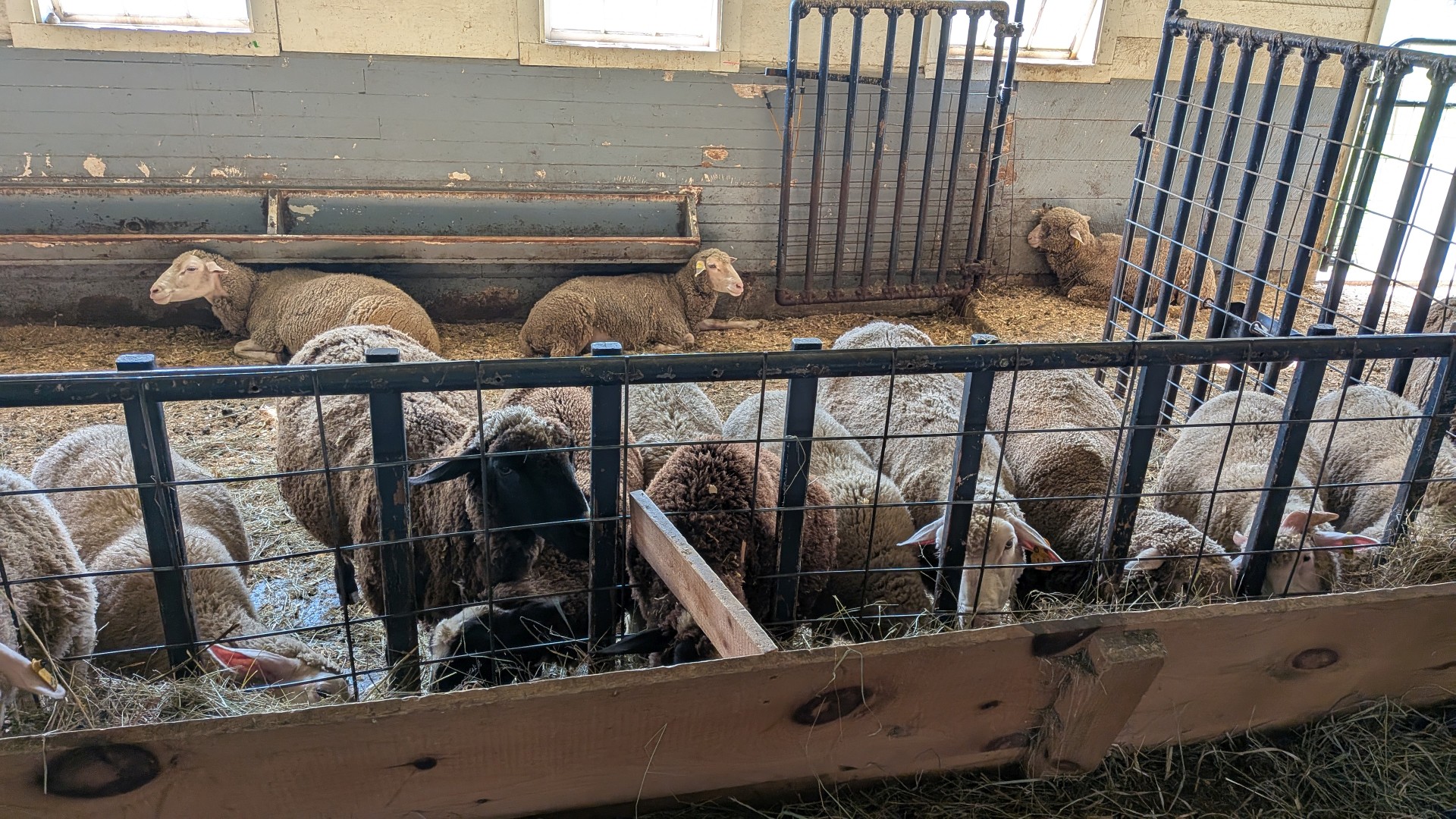
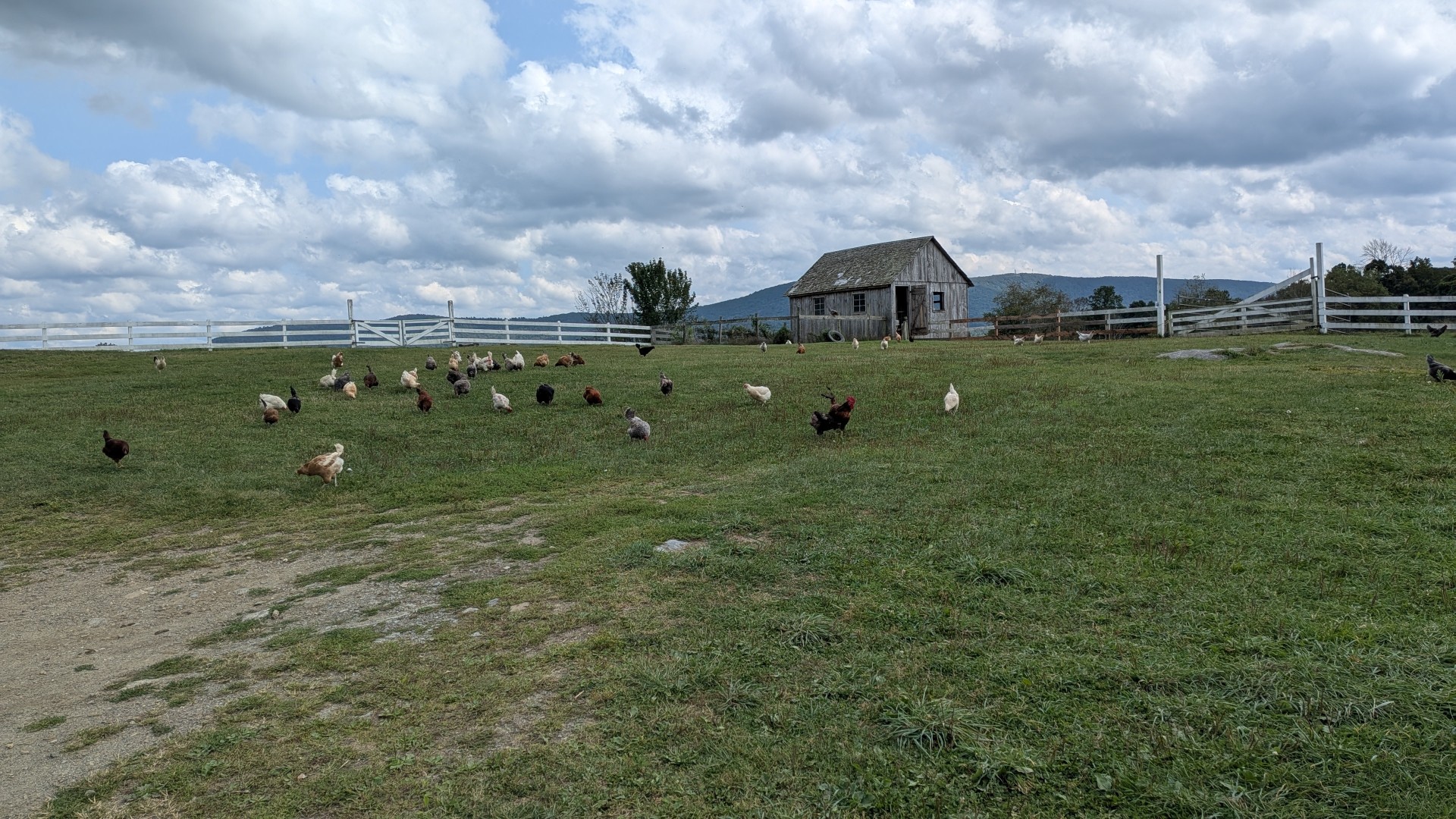
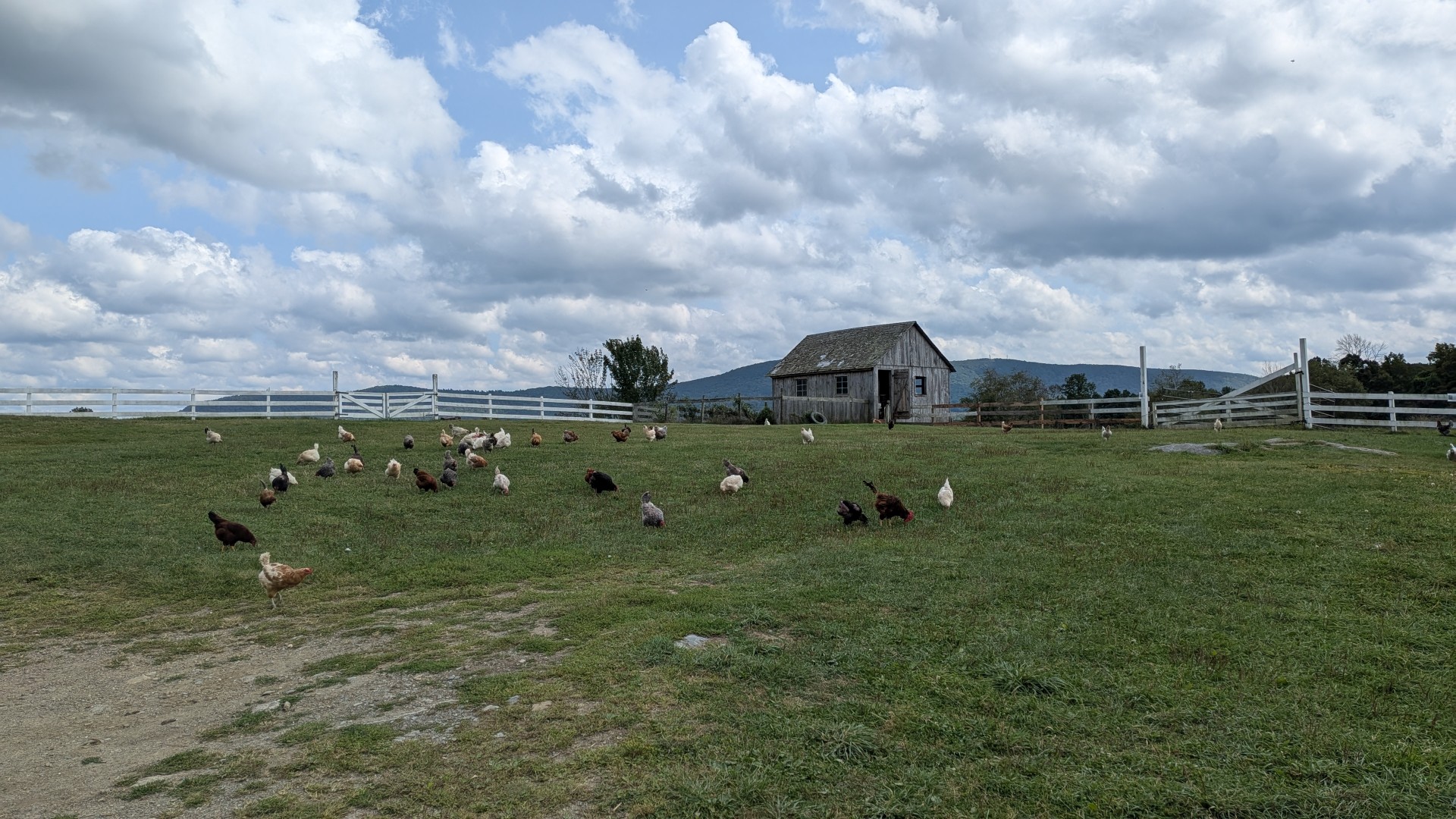
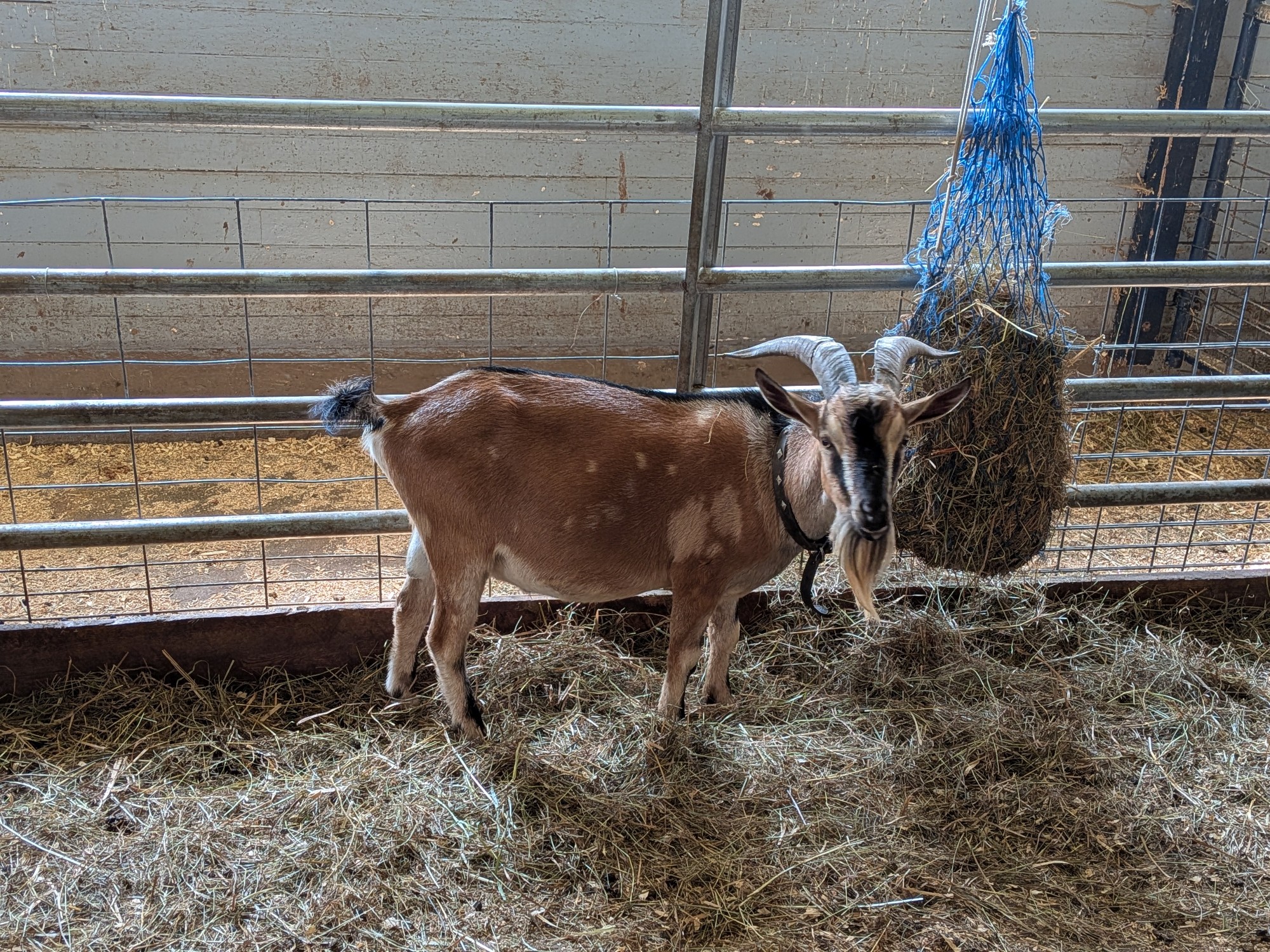
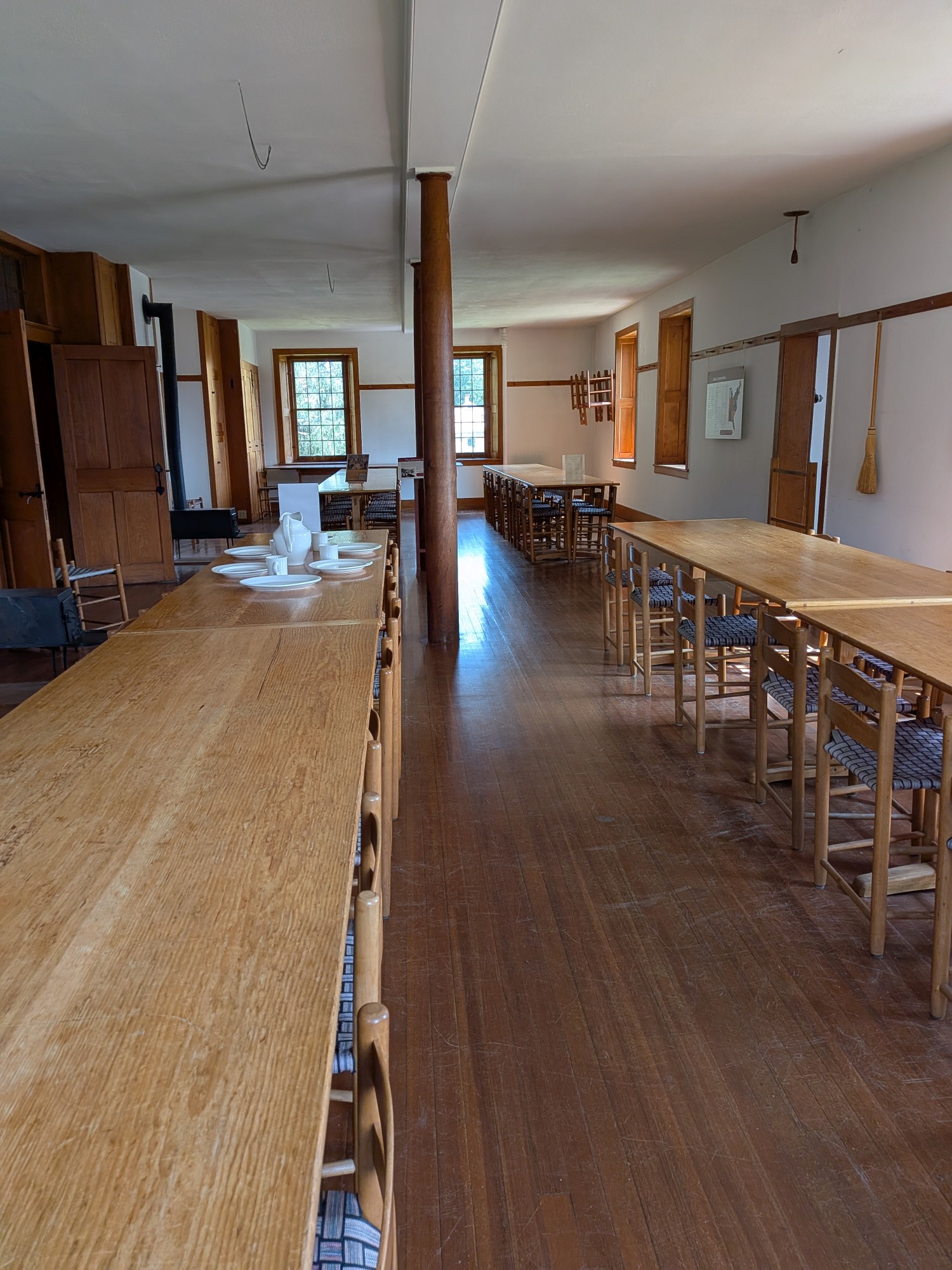
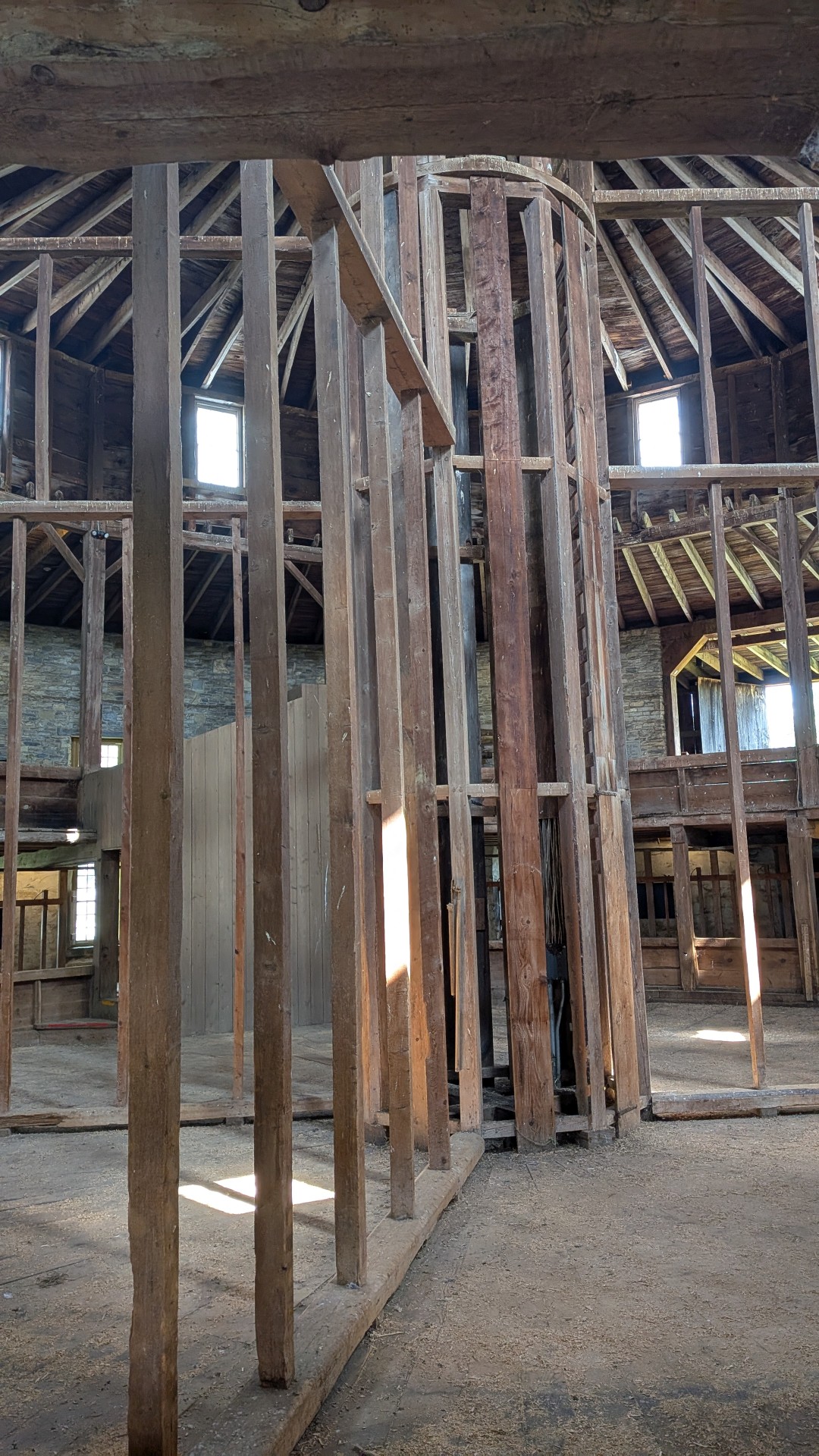
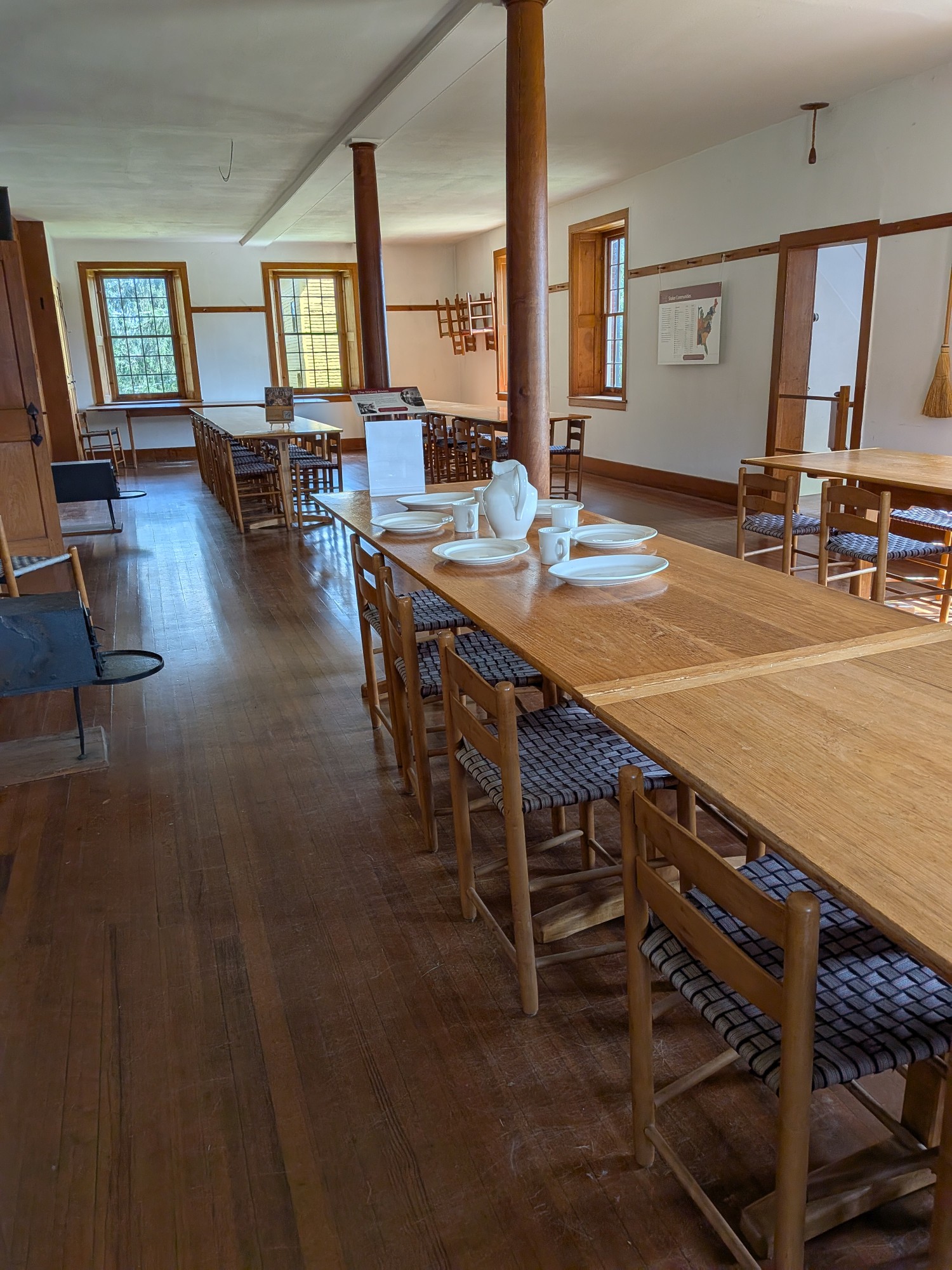
Walking through the round stone barn and the simple, orderly living spaces, we got a sense of the Shakers’ devotion to hard work, craftsmanship, and spiritual discipline. Their approach to community was radically different from the experimental, free-love philosophy of the Oneida group, yet both were rooted in the same search for a perfect society.
By the end of the day, we felt we had experienced two very different lenses on American culture—Rockwell’s idealized portraits of everyday life, and the Shakers’ attempt to build a life apart from it. Together, they offered a thought-provoking contrast between nostalgia and utopia, tradition and experimentation.