Our Albany explorations continued with a day focused on history—both Revolutionary and immigrant. We began at the Schuyler Mansion, the grand home of Philip Schuyler, a Revolutionary War general, U.S. senator, and father-in-law to Alexander Hamilton. Set on a rise above the Hudson River, the mansion immediately impressed with its stately brick façade and sweeping grounds. Walking up to it, it was easy to imagine the comings and goings of notable guests in the 18th century.
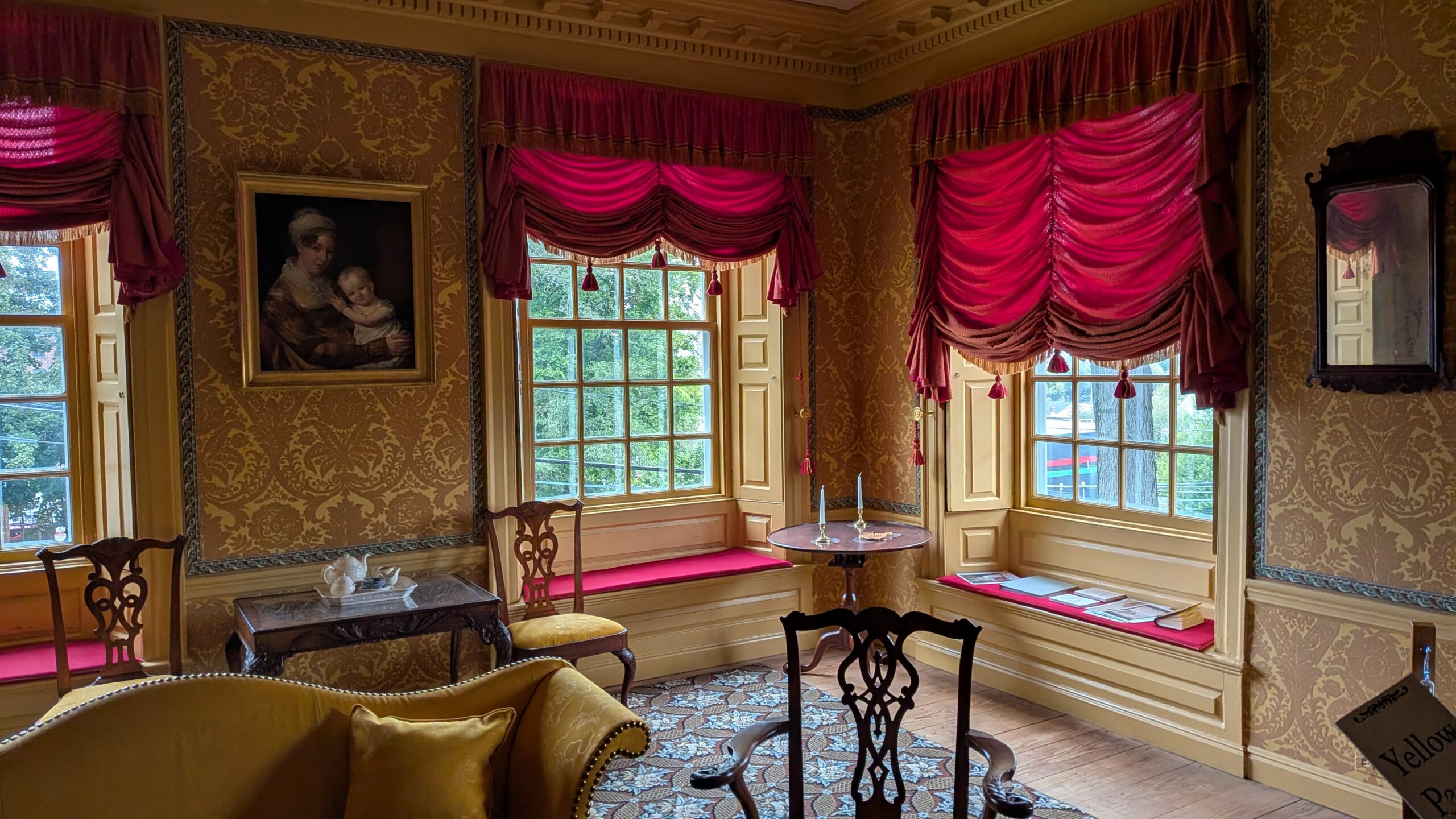
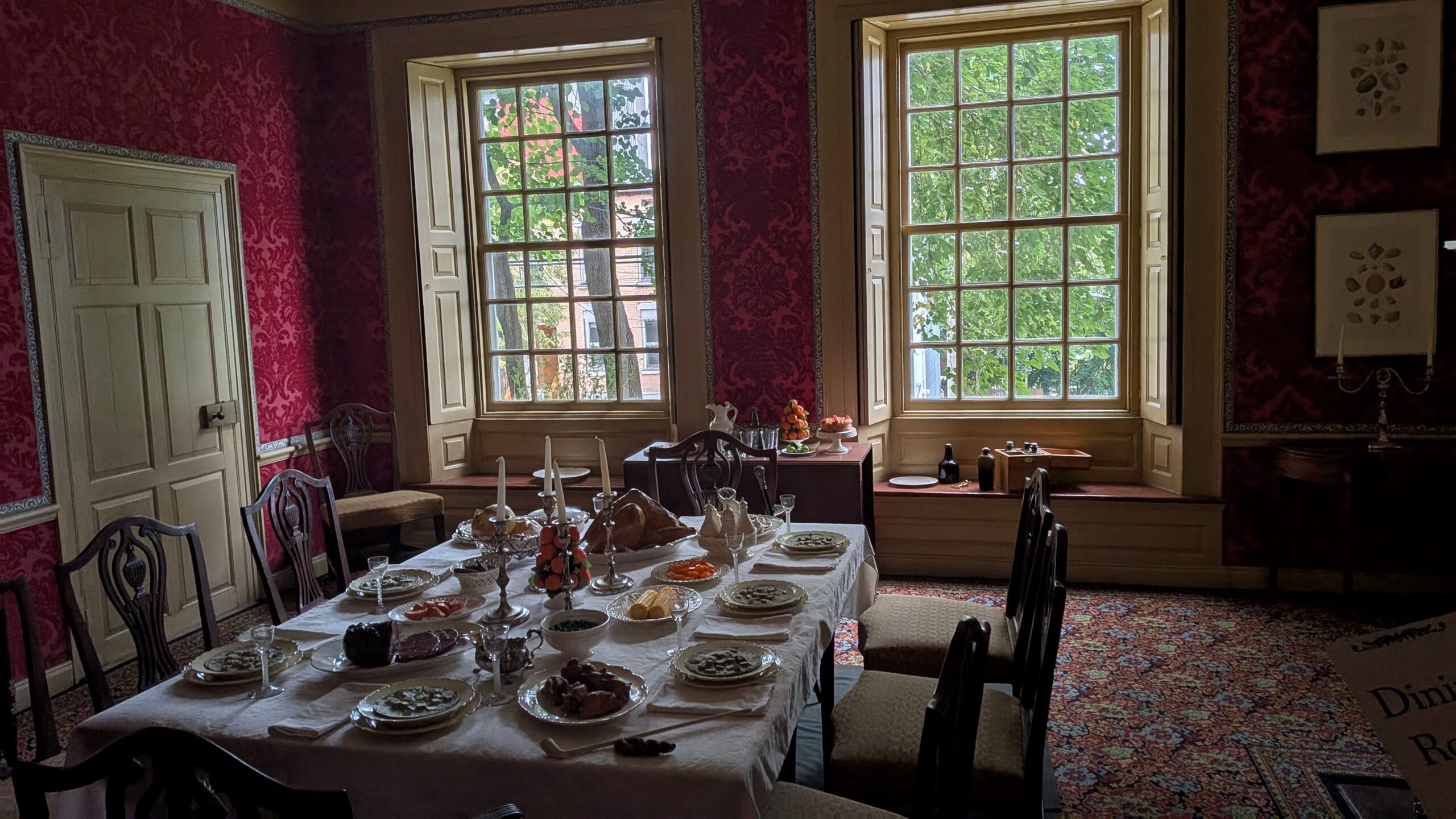
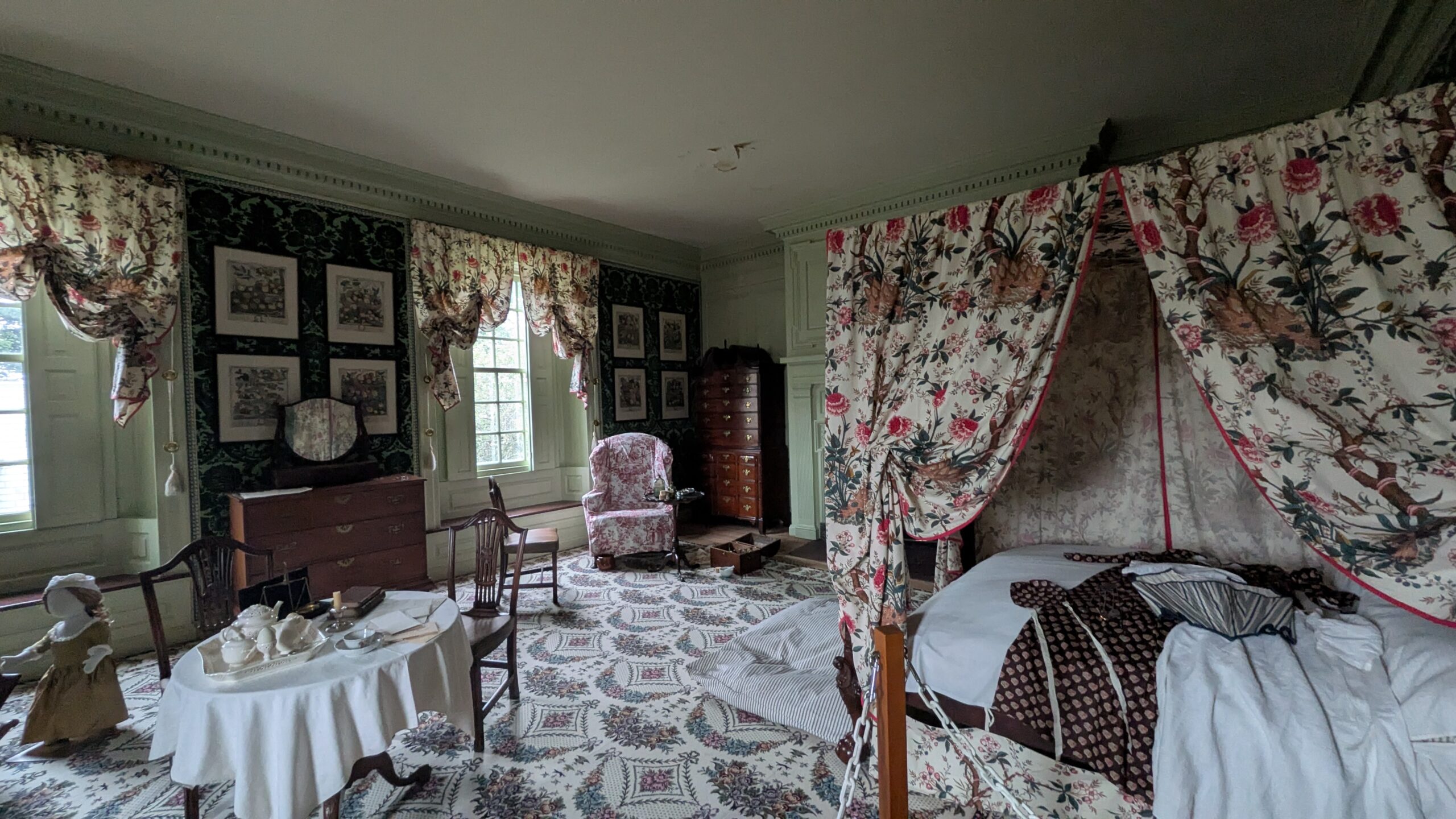
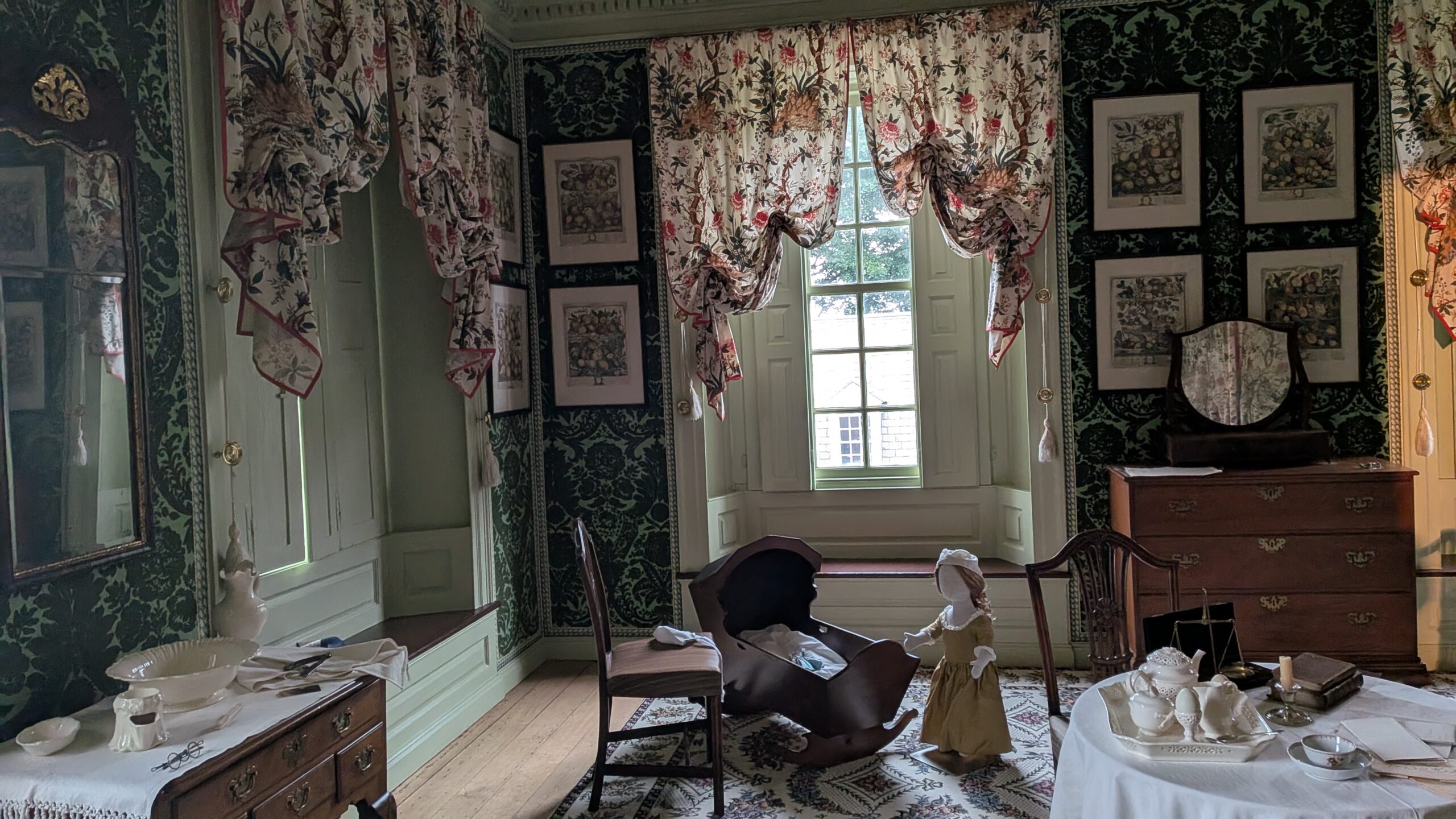
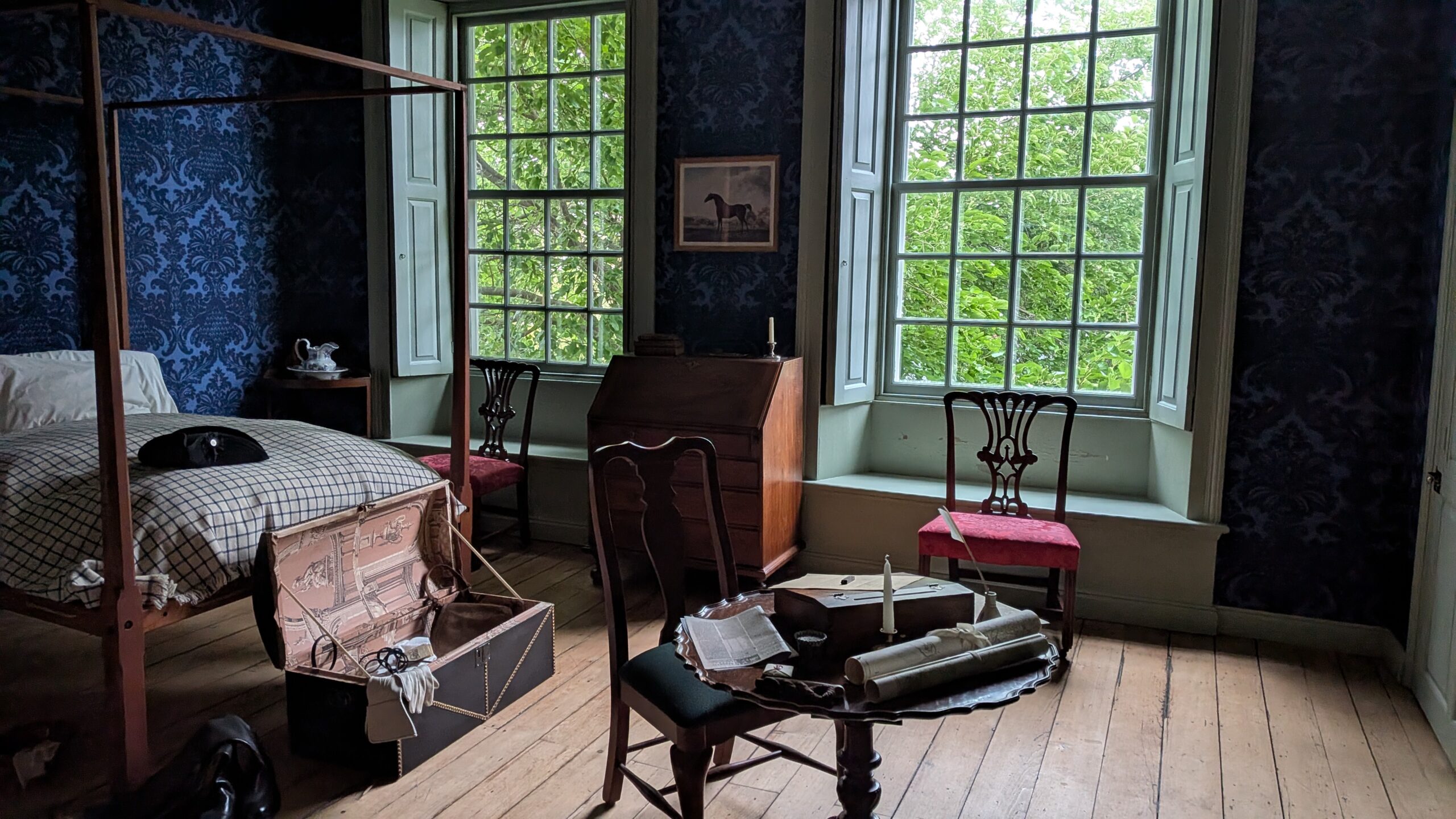
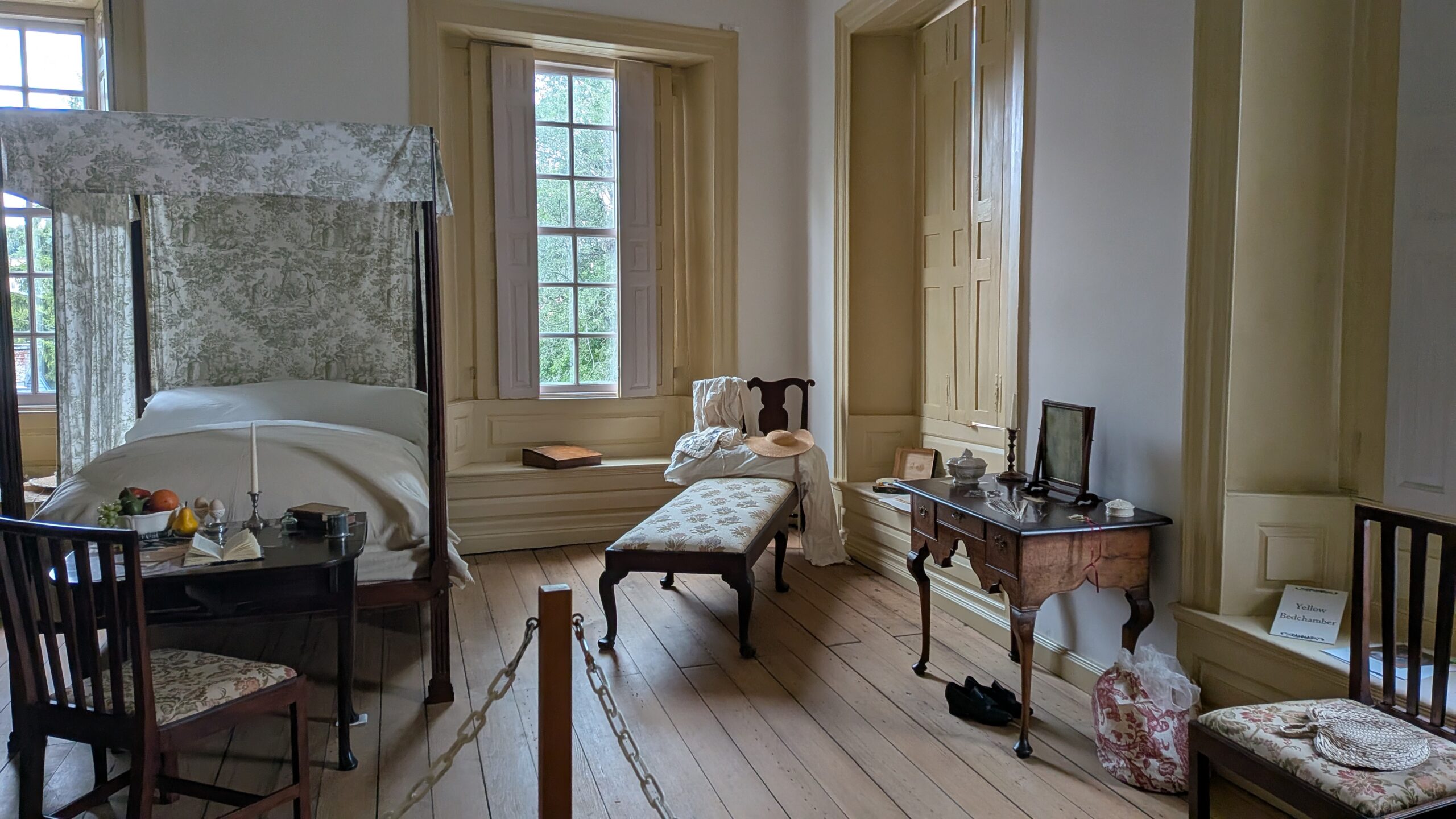
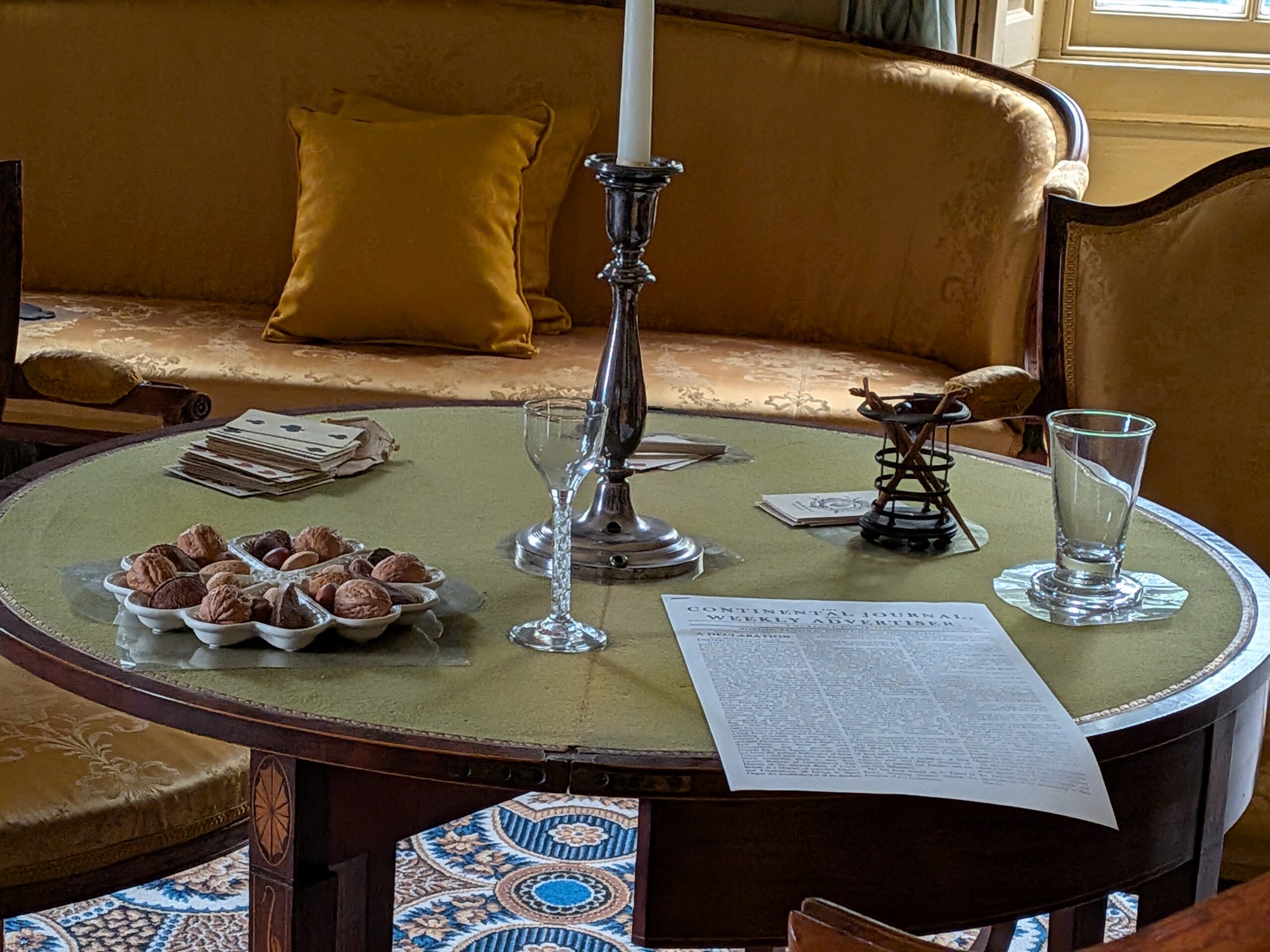
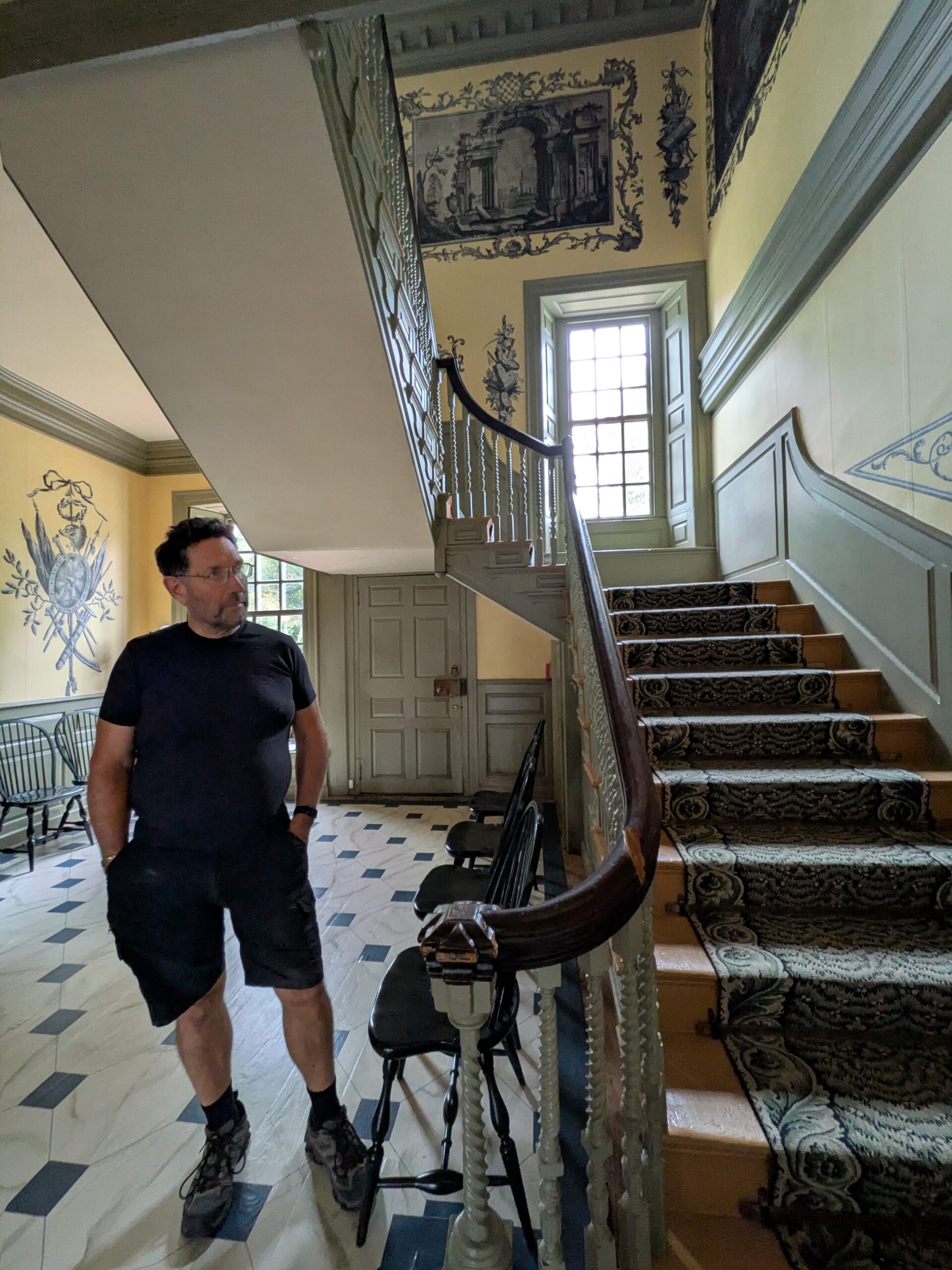
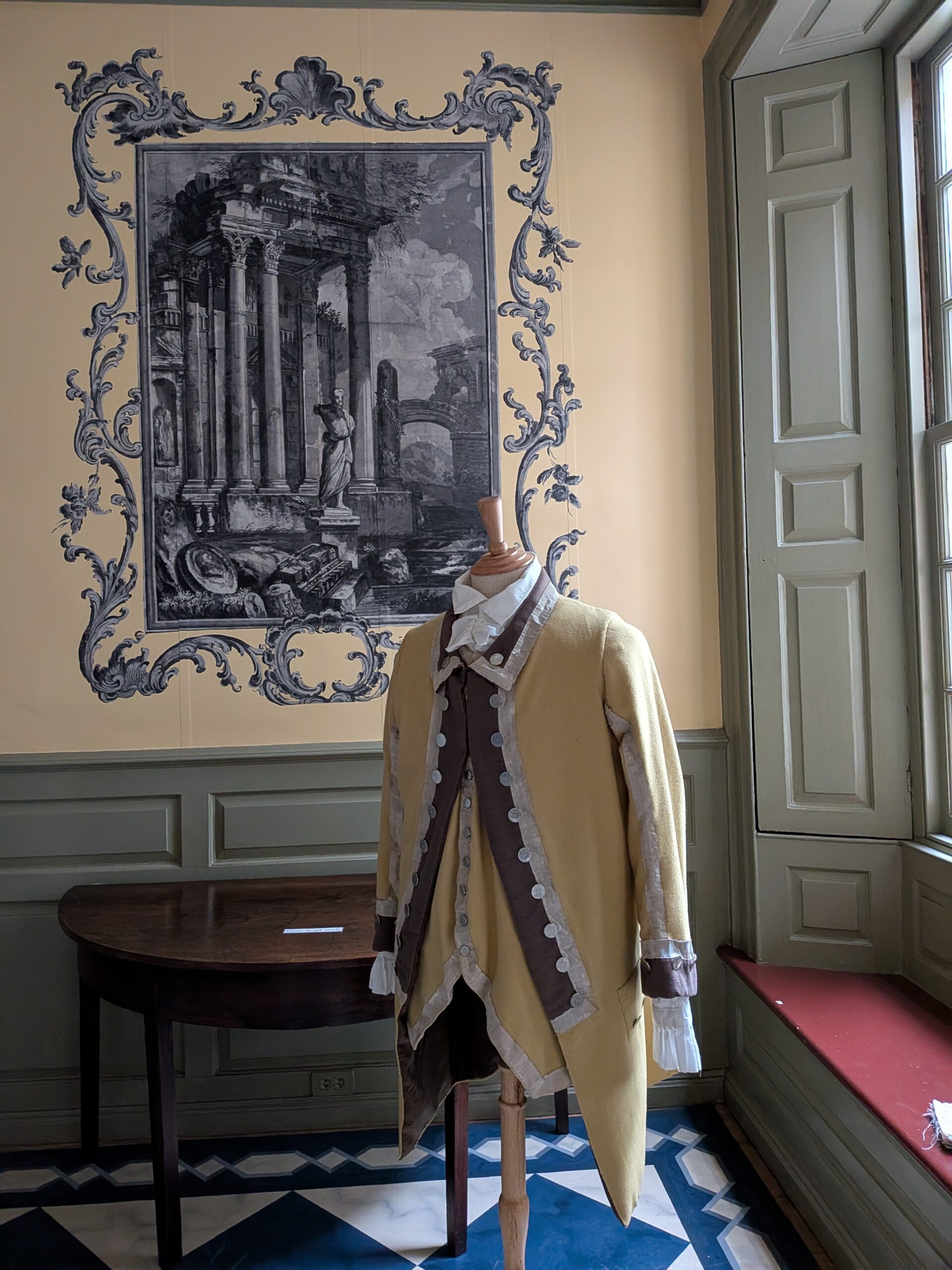
Inside, the tour brought us into rooms carefully furnished to reflect the Schuyler family’s era. The parlors glowed with period details—ornate fireplaces, polished woodwork, and chairs set as if awaiting company. One could picture the lively conversations of Albany’s elite or the quieter rhythms of family life. Our guide wove in stories of the Schuylers’ role in the Revolution, their connections to Hamilton and other founding figures, and even the presence of enslaved people who lived and worked in the household—a reminder that wealth and refinement often rested on hidden labor. Standing in Angelica Schuyler’s bedroom or the dining room where Hamilton likely once sat, we felt the layers of history pressing close.
After leaving the mansion, we turned to a different chapter of Albany’s story with a visit to the Irish American Heritage Museum. Smaller and more intimate than the Schuyler Mansion, the museum nonetheless packed in a remarkable amount of history and heart. The exhibits traced the Irish journey to America, highlighting both the hardships and the resilience of immigrants who settled in Albany and across the U.S.
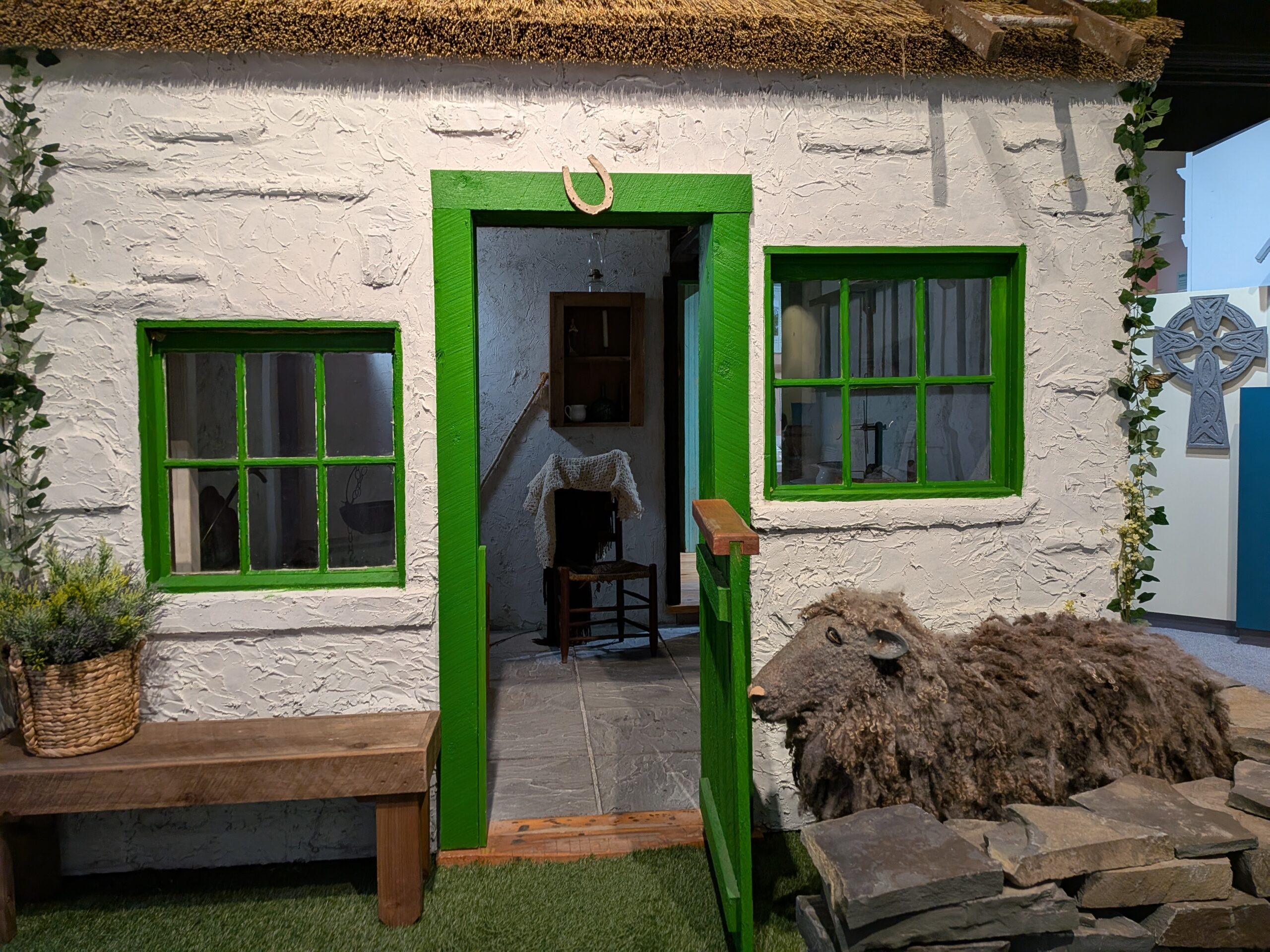
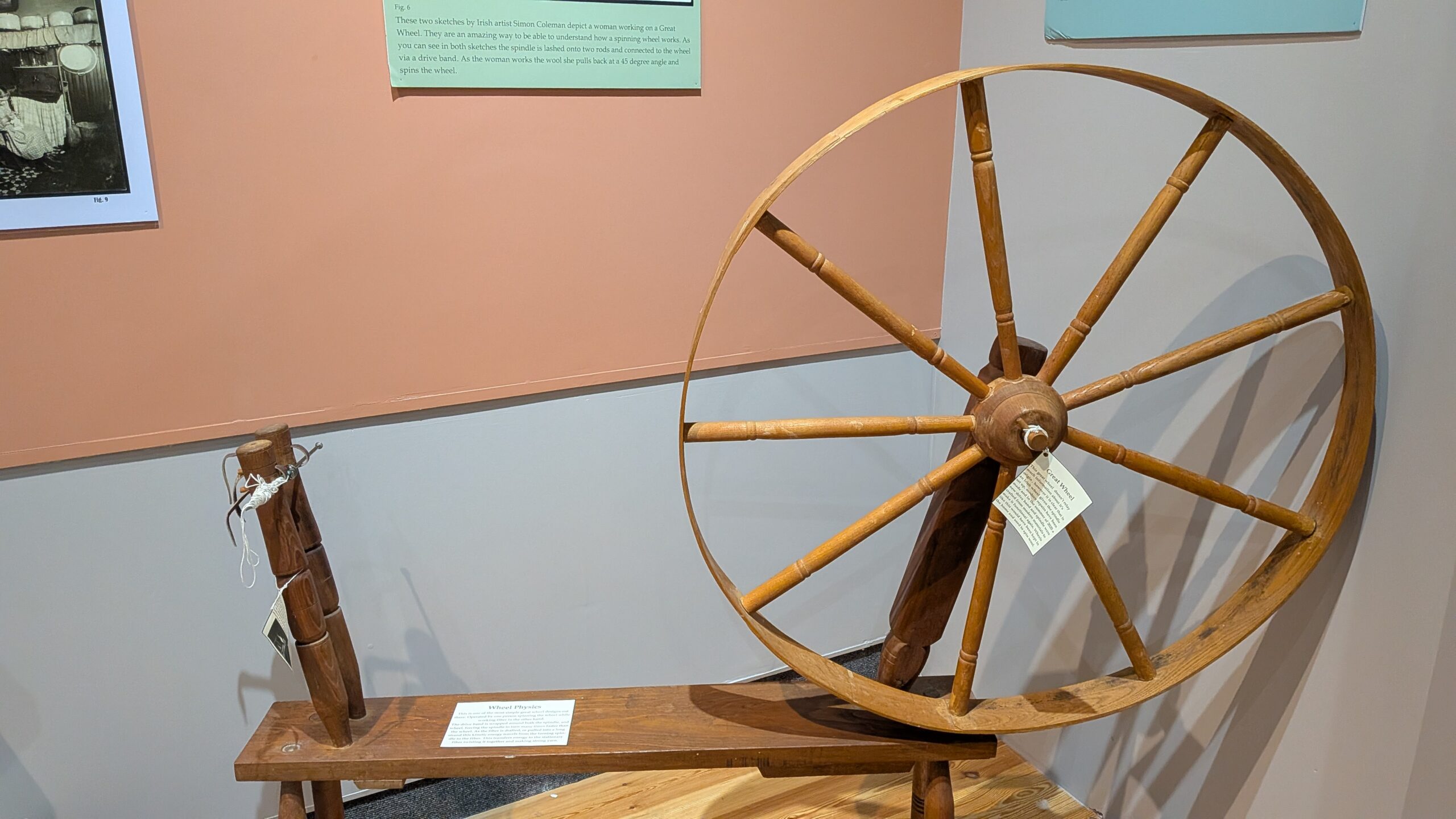
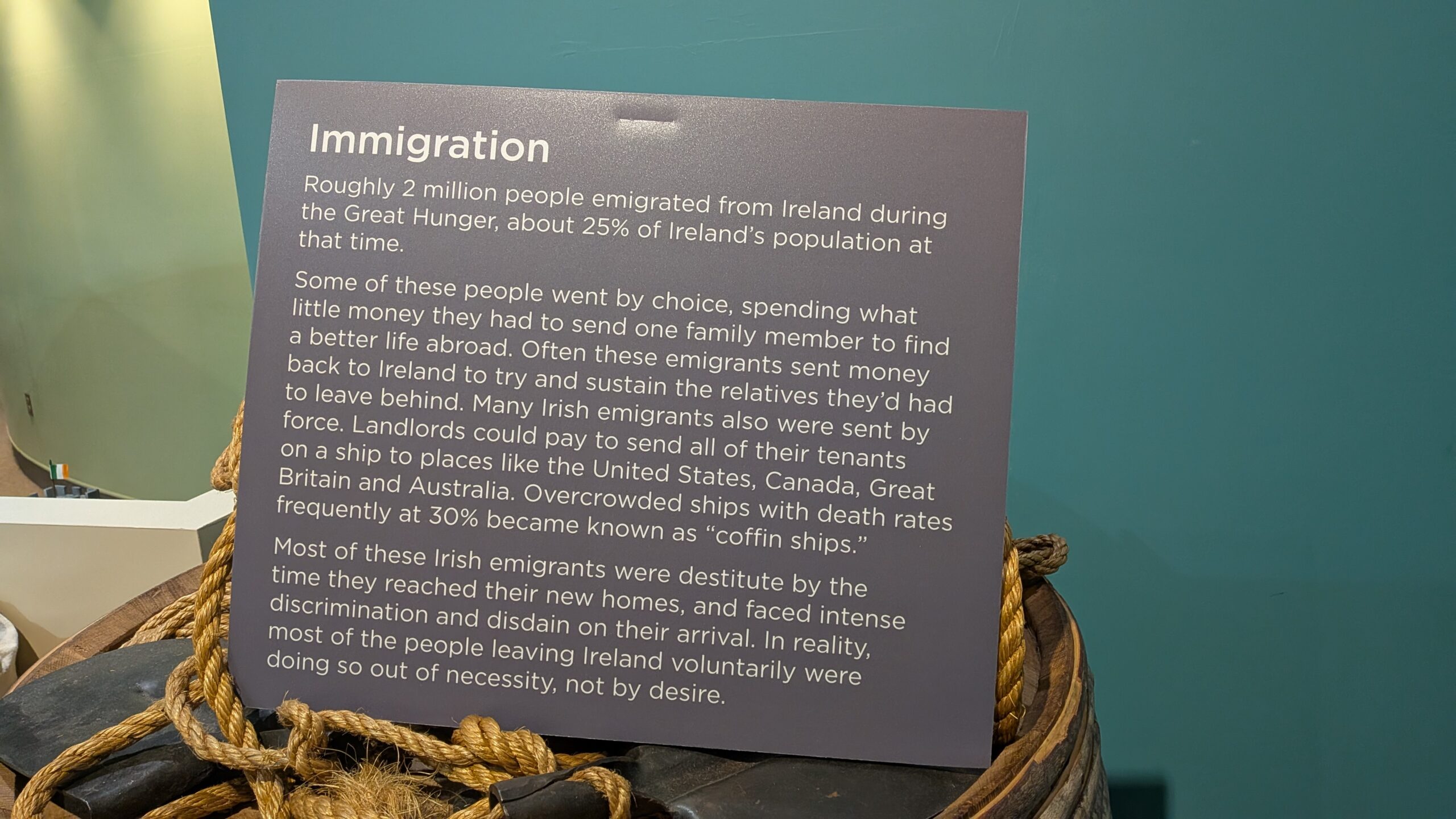
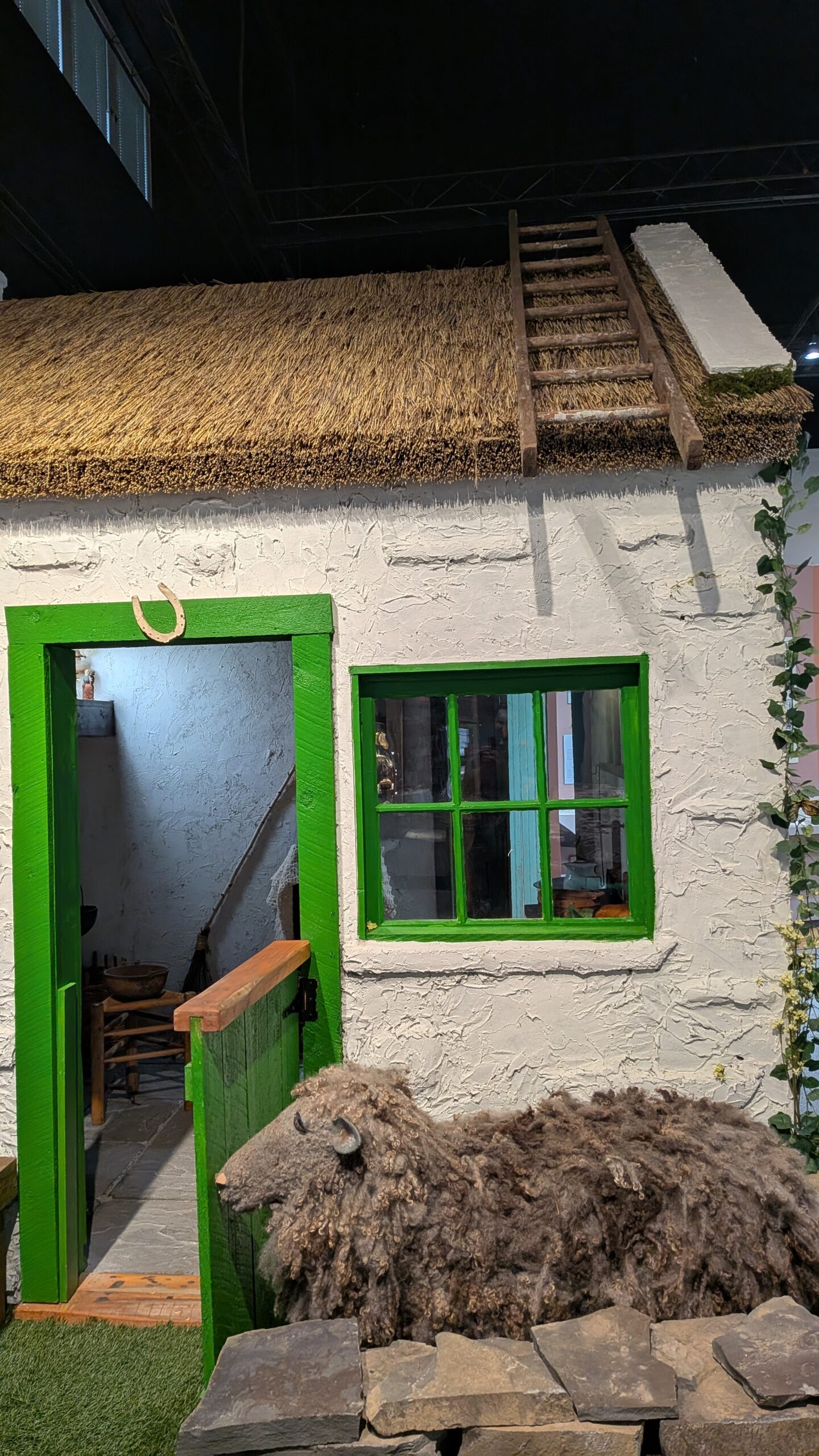
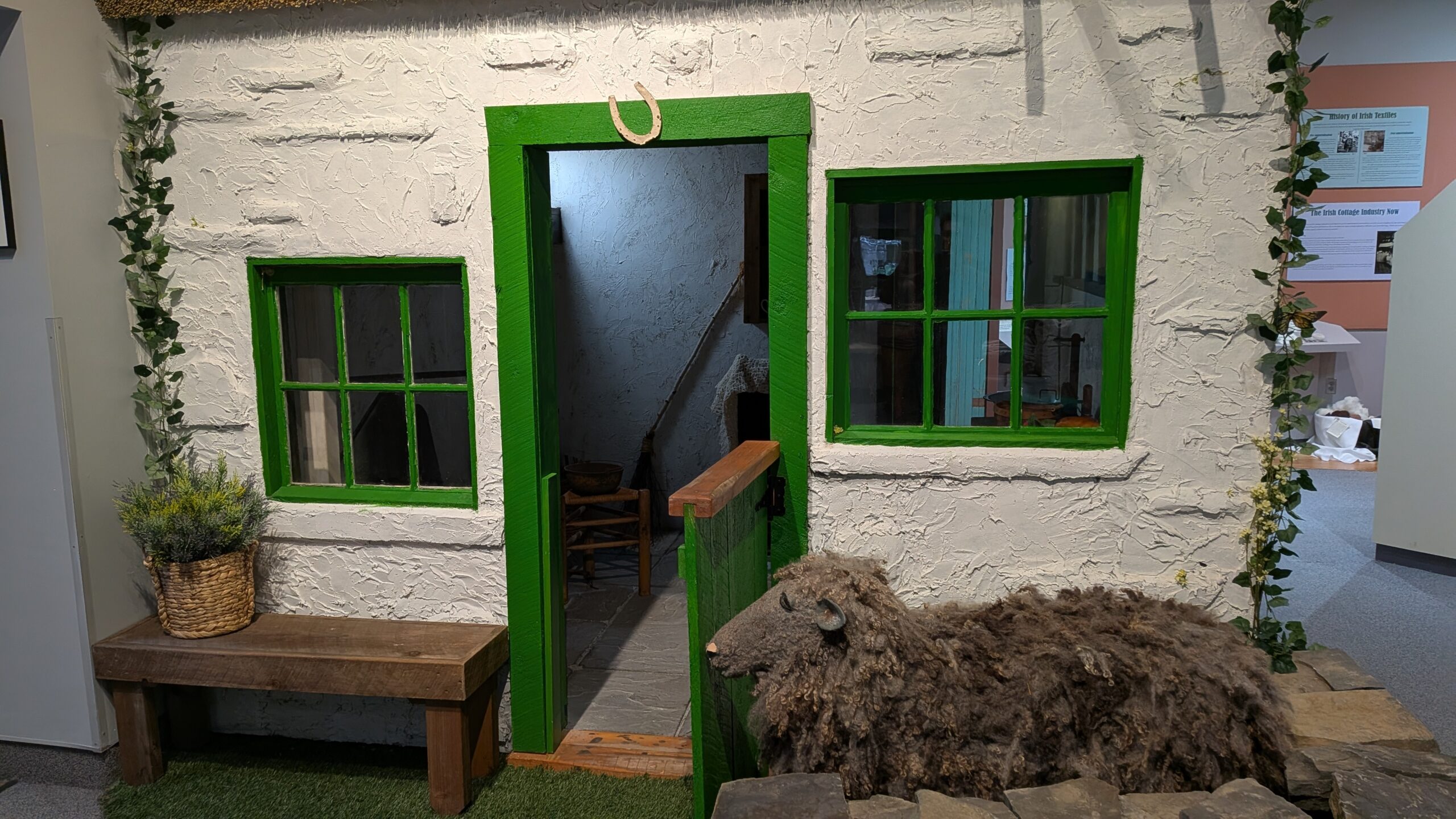
We lingered over displays that explained the waves of immigration, from early arrivals fleeing famine to later communities that shaped Albany’s neighborhoods. Old photographs, personal letters, and artifacts like tools and clothing gave texture to the stories. One exhibit explained the challenges Irish immigrants faced—prejudice, poverty, and the need to build new lives from very little. Another showcased the vibrant cultural traditions that endured: music, language, and community celebrations that knit families together far from home.
What struck us most was how personal the museum felt. It was less about broad historical movements and more about the lived experience of individuals—the families who left Ireland with only what they could carry, the workers who helped build the Erie Canal, the politicians and policemen who later rose to prominence. Albany itself came into sharper focus as a city shaped not only by its colonial founding families but also by the waves of immigrants who gave it energy and diversity.
By the end of the day, the contrast between the two sites—the grandeur of the Schuyler Mansion and the modest but powerful Irish Museum—made for a fuller picture of Albany’s past. Together, they told a story of power, struggle, and perseverance, woven into the city’s identity.