The Museum
of the Palestine People
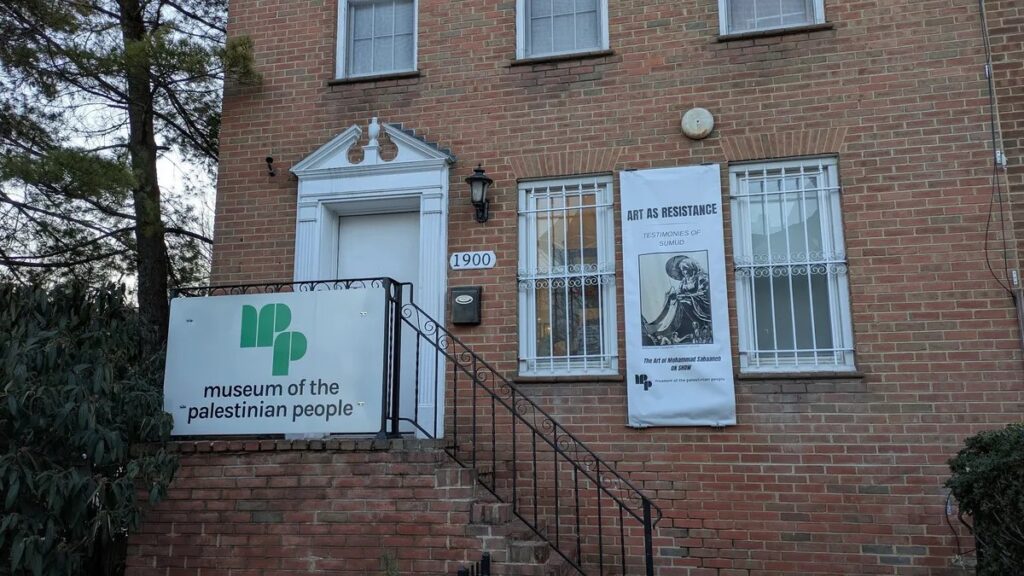
Today we visited the Museum of the Palestinian People, a small but deeply moving museum just off 18th Street NW in Washington, DC. From the moment we entered, it was clear this space was thoughtfully curated to offer a rich and personal portrayal of Palestinian culture, history, and identity—something rarely given such a platform in the United States.
We joined a guided tour, which added a great deal of depth to the experience. Our guide was passionate and knowledgeable, walking us through the permanent exhibits with a focus on how the Palestinian story is told through art, artifacts, oral histories, and personal narratives. The tour began with ancient history and moved through centuries of cultural contribution, touching on language, architecture, and agricultural traditions.
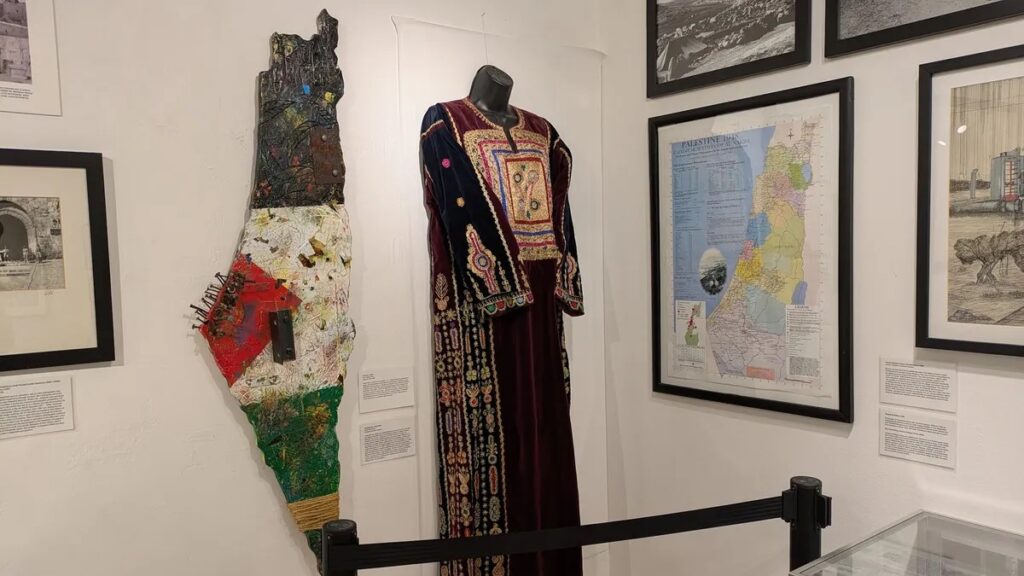
We then moved into the more modern sections, where the exhibits shift in tone to reflect the colonial period, displacement, and resistance. The tour also highlighted the contemporary contributions of Palestinians around the world in art, science, and activism. There were pieces by Palestinian-American artists, poetry installations, and even interactive digital exhibits where we could listen to personal testimonies. It felt like a living, breathing record of a people who have managed to preserve their culture and humanity despite ongoing struggle.
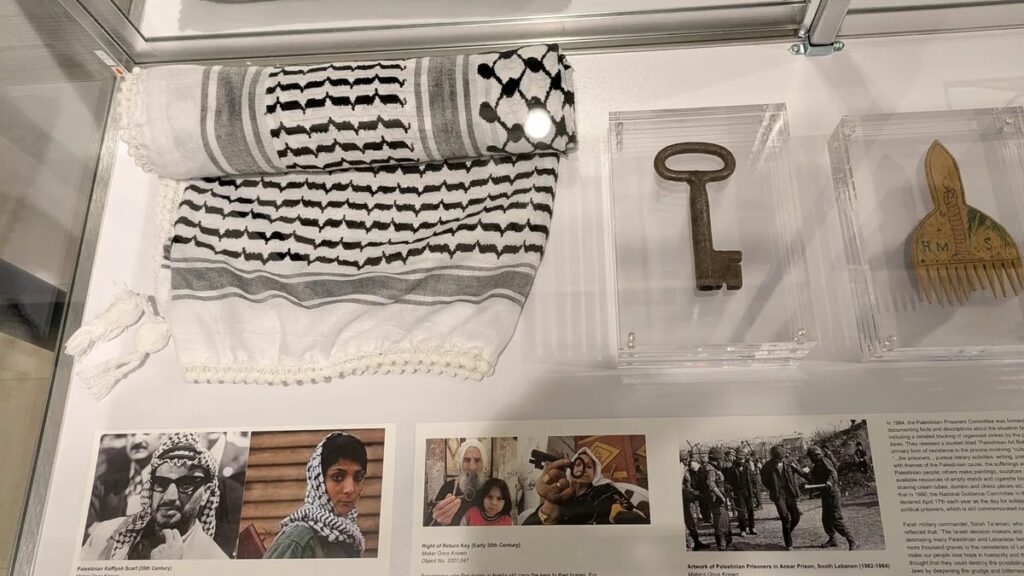
One section focused on diaspora communities and how they continue to engage with and express their identity in exile.
What made this museum stand out was not just the historical content, but the sense of dignity and resilience that ran through every exhibit. The tone was not angry or didactic, but determined and humanizing. It was a powerful reminder that history is not only written in textbooks but lives in people’s stories.
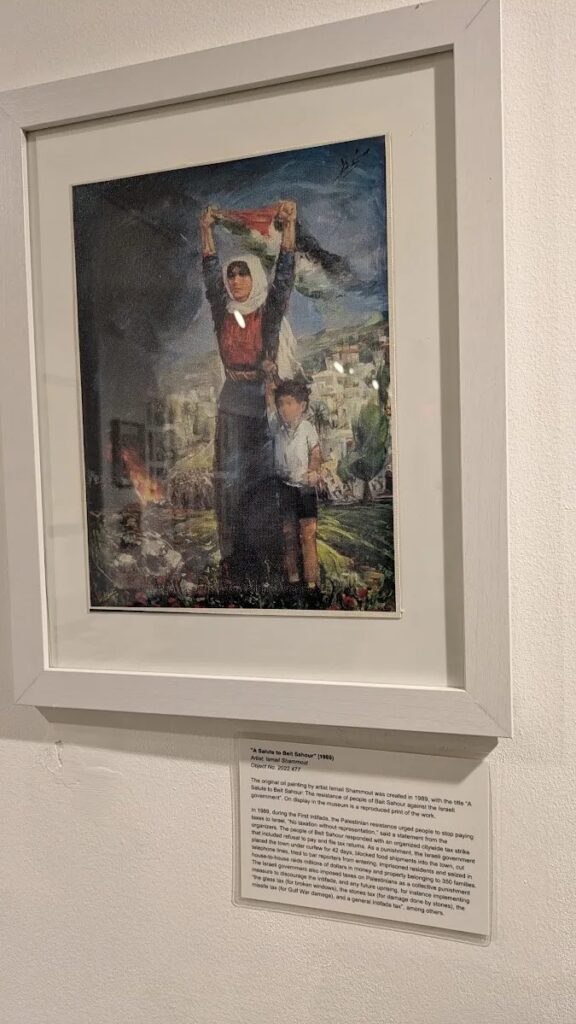
Visiting the Museum of the Palestinian People was both an educational and emotional experience. It left us with a deeper appreciation for a culture often misunderstood or misrepresented. More than anything, it made me want to listen more—to stories, voices, and histories we don’t always hear.
-
A Ketchup-Flavored Dive Into Pittsburgh’s Past: Our Visit to the Heinz History Center
There are few museums that make you crave french fries halfway through your tour — but the Heinz History Center absolutely does. On a sunny spring day, we wandered into this six-story love letter to Pittsburgh, right in the Strip District. From the moment we saw that giant ketchup bottle towering above us like a…
-
Winging It at the National Aviary
We spent a sunny morning at the National Aviary here in Pittsburgh, and honestly, it was the perfect mix of calm, color, and unexpected bird personalities. With just general admission tickets (no add-on experiences this time), we still got plenty of up-close encounters that made the trip feel special. The first stop was the Tropical Rainforest—warm,…
-
A Night at the Andy Worhol Museum
Soon after arriving in Pittsburgh, after checking in to our Airbnb, we wandered over to the Andy Warhol Museum in Pittsburgh—and even though pop art isn’t exactly our cup of tea, wow, this place was impressive. It’s seven floors of Warhol’s world, from his quirky childhood sketches to the bold, famous works that made him…